7 Best Tools Needed for Pipe Cleaning?

Time:2026-10-20 Author:Sienna
0%

Clean pipes rarely begin with a single tool. They require diagnosis, controlled pressure, mechanical action, and careful verification. That is why this guide examines what tools are needed for pipe cleaning, from inspection cameras and drain snakes to hydro-jetters, brushes, vacuum systems, and protective equipment.

The need is practical, not theoretical. The U.S. Environmental Protection Agency estimates that household leaks waste nearly one trillion gallons of water annually in the United States. In sewer networks, the Water Environment Federation emphasizes inspection, cleaning, and condition assessment as connected maintenance activities. NASSCO training also promotes structured pipeline cleaning and inspection practices, rather than relying on guesswork.

As plumbing engineer Rex Cauldwell has stated, “The first rule of plumbing is: water runs downhill.” That simple observation matters when selecting equipment. Gravity, pipe diameter, material, blockage type, and access points all influence the correct method. A flexible cable may clear a small kitchen drain, while a rotating nozzle may better remove hardened scale from a larger line.

Real work is messier.

A camera can reveal roots, cracks, or standing water, but it cannot remove them. High-pressure equipment can restore flow, yet excessive pressure may damage aging joints or fragile pipes. Operators need experience, protective clothing, ventilation, and a realistic cleaning plan. Some choices will be imperfect. The goal is not to force every blockage open, but to clean safely, confirm the result, and avoid creating a larger problem underground.
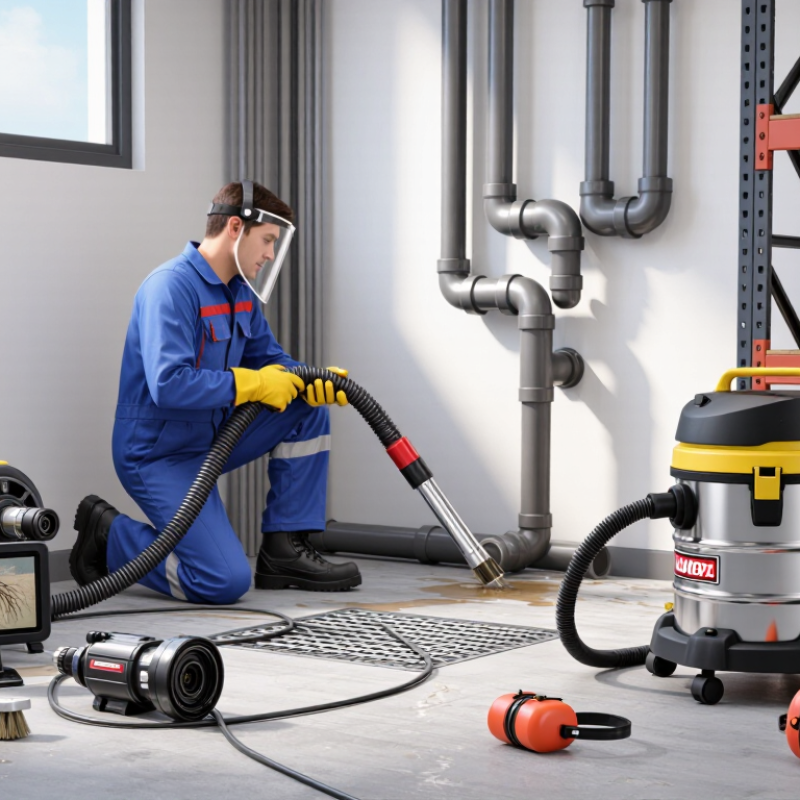
7 Best Tools Needed for Pipe Cleaning?

Understanding Pipe Cleaning Needs and Safety Requirements

7 Best Tools Needed for Pipe Cleaning?

Understanding Pipe Cleaning Needs and Safety Requirements

Pipe cleaning begins with understanding the blockage, pipe material, and surrounding risks. A small inspection camera can reveal grease, roots, cracks, or standing water. A bucket and absorbent cloths help control spills before work begins. Protective gloves, safety goggles, and sturdy footwear reduce contact with contaminated water and sharp debris. Poor lighting is another common hazard, so a bright work lamp is useful.

A manual drain snake handles many household clogs without chemicals. Nylon brushes can remove buildup from accessible pipe sections. A wet-dry vacuum may clear loose water and debris when the opening allows a secure connection. Use tools gently. Excessive force can damage older joints or push the blockage deeper. Never mix cleaning chemicals, and keep the area ventilated. Read the product safety instructions carefully when chemical use is unavoidable.

Safety depends on preparation, not confidence. Shut off nearby electrical equipment before working around standing water. Wash your hands and disinfect reusable tools afterward. If wastewater has backed up, treat it as contaminated and avoid skin contact. Complex blockages, damaged pipes, or confined spaces require qualified professional support. I would not ignore a slow drain, even when it seems minor. A previous repair may have weakened the pipe, and visual checks can miss hidden corrosion. That uncertainty deserves caution.

Selecting the Seven Essential Tools for Different Pipe Problems

7 Best Tools Needed for Pipe Cleaning?

Selecting the Seven Essential Tools for Different Pipe Problems

Pipe problems differ, so one cleaning tool rarely solves every blockage. A cup plunger works well for shallow sink clogs caused by loose debris. For tighter buildup, a hand auger reaches deeper without removing much piping. A toilet auger has a shorter, guarded cable that protects porcelain during toilet blockages.

A drain brush removes hair and sludge from traps and narrow openings. A wet-dry vacuum can pull standing water and soft debris from accessible drains. Use its suction carefully. An inspection camera reveals cracks, roots, misplaced joints, and blockages hidden beyond the trap. That evidence prevents guesswork, although small cameras can miss side passages.

For heavy grease or mineral buildup, a hydro-jetter uses controlled water pressure to clean pipe walls. It requires training, pressure-rated equipment, protective clothing, and a careful assessment of pipe condition. Old or damaged pipes may worsen under high pressure. I have seen a clean-looking line fail because its corrosion was ignored. My earlier mistake was trusting flow speed instead of checking the pipe interior. A practical kit needs all seven tools, but the correct choice depends on blockage location, pipe material, access, and damage risk. Experience matters here.

Using Manual Tools to Remove Basic Blockages and Debris

7 Best Tools Needed for Pipe Cleaning?

Using Manual Tools to Remove Basic Blockages and Debris

Basic pipe cleaning does not always require powered equipment. A plunger can loosen soft clogs near a drain opening. A hand auger reaches deeper into narrow household pipes. A flexible drain snake helps break apart hair, food scraps, and loose sediment. Keep a bucket underneath. Small leaks often appear when fittings move.

A stiff pipe brush cleans buildup from removable sections and drain traps. Long-nose pliers can pull out visible debris, while an adjustable wrench helps open threaded connections carefully. A flashlight reveals dark bends and cracked seals. Wear gloves and eye protection. Turn off nearby water before removing any fitting.

Use gentle pressure with the plunger, then check whether water drains steadily. Push an auger slowly, rotate it, and avoid forcing it through resistance. Forcing the cable can damage weak joints. I have found that rushing this step creates more work. Sometimes the blockage is not where it seems. A damp cloth around the pipe can expose a slow leak. Stop if wastewater rises, the pipe feels fragile, or the obstruction remains after careful cleaning. Plastic fittings can be surprisingly easy to strip.

Applying Mechanical and Water-Based Equipment for Deep Cleaning

7 Best Tools Needed for Pipe Cleaning?

Deep pipe cleaning needs both mechanical action and controlled water flow. An inspection camera helps locate grease, roots, cracks, and hidden blockages before work begins. A hand auger suits small obstructions and gives the operator direct feedback. For tougher deposits, a powered drain snake uses a rotating cable to break material apart. A rotary chain flail can remove hardened scale from suitable, durable pipes. It requires careful control because aggressive contact may damage older interiors.

Water-based equipment reaches deeper areas with less scraping. A hydro jetter sends pressurized water through several nozzle angles, lifting sludge from the pipe walls. Pressure must match the pipe material and condition. Excessive force can turn a cleaning job into a repair. A flushing hose then carries loosened debris toward an approved collection point. A wet vacuum removes standing water and fine residue from accessible sections. I have found that cleaning improves when operators pause and inspect between passes. Rushing often leaves a narrow dirty channel behind.

Tips: Wear eye, hand, and waterproof protection. Keep the work area ventilated. Test a small section first. Record pressure, nozzle type, and debris found. Do not rely on jetting alone when a camera shows structural damage. Sometimes the best decision is stopping early, although that can feel unsatisfying. A clean pipe should be verified visually, not judged only by faster drainage.

Maintaining Pipe Cleaning Tools and Preventing Future Clogs

Pipe cleaning tools work best when they are maintained before a blockage appears. A drain snake should be rinsed after every use, especially after removing greasy buildup. Dry the cable completely to reduce rust and stiffness. Store it in a loose coil, not a tight bend.

A stiff brush needs clean bristles and a dry handle. Inspect gloves for small tears before handling dirty water. Check inspection cameras for cracks, moisture, or a cloudy lens. Wipe the lens with a soft cloth. A small bucket and absorbent towels also deserve attention. They prevent contaminated water from spreading across the floor.

Clog prevention depends on daily habits. Remove hair from drain covers and keep food scraps out of kitchen pipes. Flush lines with warm water, but avoid pouring grease into them. Never mix chemical cleaners, because dangerous fumes or pipe damage may result. For recurring blockages, an inspection camera can reveal roots, sagging sections, or heavy scale. A qualified plumber should assess serious structural problems. I once ignored a slow drain because it seemed harmless. The obstruction later required more work. That mistake changed my maintenance routine. Small warning signs matter.

FAQS

What should be checked before cleaning a pipe?

Identify the blockage, pipe material, and nearby hazards. A small inspection camera can reveal grease, roots, cracks, or standing water.

Which basic tools help with household blockages?

A plunger loosens soft clogs near the opening. A hand auger reaches deeper. A bucket catches leaks. A flashlight helps.

How can manual tools be used safely?

Push the auger slowly and rotate it gently. Excessive force may damage weak joints or push debris deeper. Stop when resistance feels unusual.

What protective equipment is useful during pipe cleaning?

Wear gloves, safety goggles, and sturdy footwear. Waterproof protection helps around standing water. Good lighting matters in dark spaces.

When is powered equipment suitable?

A powered cable tool may break tougher deposits. A rotary cleaning head can remove hardened scale from durable pipes. Older interiors need extra caution.

How does controlled water cleaning work?

Pressurized water lifts sludge from pipe walls. Pressure must match the pipe’s material and condition. Test a small section first.

What should happen after cleaning?

Inspect the pipe again with a camera when possible. Remove loose debris and standing water. Faster drainage alone does not prove cleanliness.

When should cleaning stop and professional help be considered?

Stop if wastewater rises, fittings feel fragile, or damage appears. Confined spaces and structural problems need qualified support. Do not force it.

How should tools and the work area be handled afterward?

Wash your hands and disinfect reusable tools. Keep the area ventilated. Dispose of collected debris through an approved method.

What mistakes are easy to make during pipe cleaning?

Rushing, using excessive force, or ignoring a slow drain can worsen hidden damage. I sometimes underestimate small symptoms. That deserves reconsideration.

Conclusion

Effective pipe cleaning begins with understanding the type of blockage, pipe material, access points, and necessary safety precautions. Knowing what tools are needed for pipe cleaning helps you choose the right equipment without damaging the system. Basic problems such as loose debris, hair, or minor buildup can often be handled with a hand auger, flexible cleaning brush, plunger, inspection mirror, or other simple manual tools. Protective gloves, eye protection, and proper ventilation should also be part of every cleaning plan.

For deeper or more stubborn blockages, mechanical cable equipment and controlled water-based cleaning tools can provide greater reach and cleaning power. These methods should be used carefully, with attention to pressure limits and pipe condition. After cleaning, tools should be rinsed, dried, inspected, and stored properly to prevent corrosion and contamination. Regular maintenance, sensible disposal practices, drain screens, and periodic inspections can reduce future clogs and extend the useful life of both the pipes and cleaning equipment.

Sienna

Sienna

Sienna is a skilled marketing professional with a deep expertise in our company’s core products and services. With a passion for innovation and detail, she plays a pivotal role in crafting insightful blog posts that not only highlight the unique features of our offerings but also provide valuable......