Drainage systems rarely fail without warning. A blocked grate, slow outlet, or muddy inspection chamber often signals a larger maintenance problem. This guide introduces seven practical tips for anyone researching how to improve maintenance of drainage systems. It connects routine inspections with safer, cleaner, and more dependable water movement.
Dr. Steven J. Burian, a stormwater infrastructure researcher, stresses a simple principle: “Good drainage performance depends on consistent inspection, cleaning, and informed design decisions.” That principle guides this introduction. Effective maintenance begins with a visible asset register. Record every inlet, pipe, channel, culvert, and discharge point. Then inspect them after heavy rainfall, not only during scheduled visits. Look for sediment lines, cracked concrete, displaced covers, standing water, and invasive roots. Small defects matter.
Clean before capacity disappears.
Maintenance teams should remove leaves, litter, silt, and grease with suitable equipment. They should also document findings with photographs, dates, and measured depths. Reliable records reveal recurring blockages and help managers prioritize repairs. Safety procedures remain essential around confined spaces and moving water. No inspection plan is perfect. Local soil, rainfall, traffic, and construction activity can change conditions quickly. Some recommendations may need adjustment after real-world observation. That is not failure; it is useful evidence. The following seven tips will examine inspection frequency, cleaning methods, asset mapping, early repairs, emergency readiness, team training, and performance reviews. Together, they offer a realistic foundation for longer-lasting drainage infrastructure.
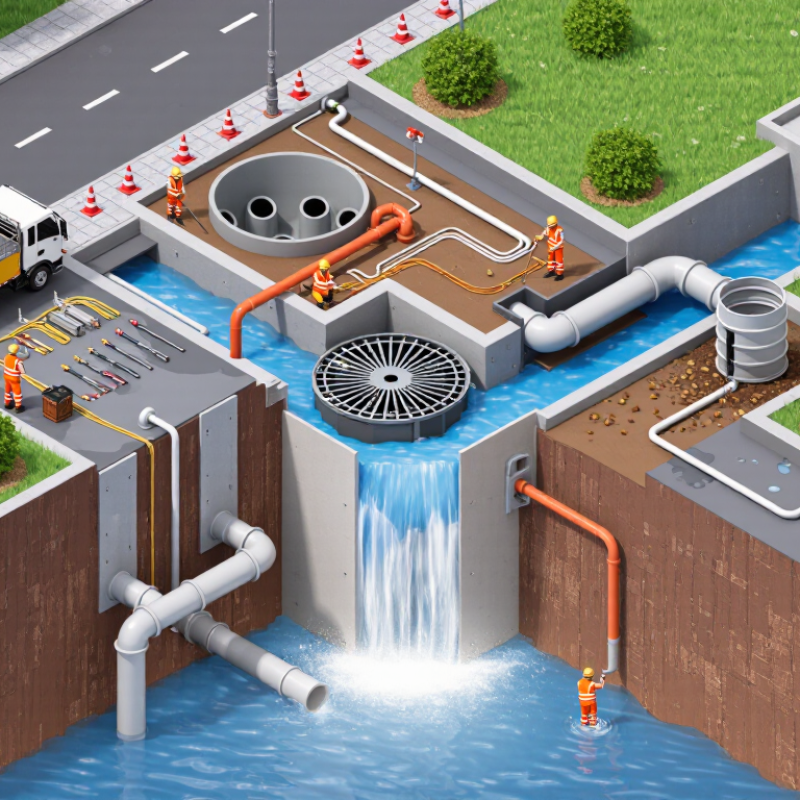
Drainage systems work as a chain, not a single pipe. Gutters collect roof water, downspouts carry it downward, and catch basins receive surface runoff. Grates stop leaves and stones from entering underground pipes. Inspection chambers provide access for checking blockages, while pumps may support low-lying areas. During routine inspections, examine each connection, not only the visible outlet.
Remove leaves and sediment before they harden. Flush downspouts with clean water and watch the discharge point. Clear catch-basin baskets and check whether grates sit firmly. Inspect pipe joints for leaks, root intrusion, or displaced sections. Test sump pumps before the wet season. Keep access covers visible and free from soil. Record the date, location, and observed condition after every visit.
Small details matter. A tilted grate can collect water beside a walkway. A cracked cover can become a trip hazard. Do not ignore slow drainage; it often signals a deeper restriction. Use suitable tools and follow local safety procedures around standing water and electrical equipment. One practical lesson is easy to miss: cleaning the surface does not prove the pipe is clear. I have seen systems look tidy while sediment remained below. Maintenance plans should allow for this uncertainty, with extra checks after heavy rain, construction, or unusual odors.
7 Tips to Improve Maintenance of Drainage Systems
Routine Inspection of Drains, Pipes, and Outlets
Routine inspections reveal problems before water finds a weaker path. Check grates, drain inlets, pipes, and outlets after heavy rain. Remove leaves, sediment, and packaging by hand where safe. Look for standing water, cracked joints, displaced covers, root intrusion, and unusual smells. A clean grate is not proof of a clear pipe. Flow tests can expose hidden blockages.
Inspection timing should match local conditions. Flood-prone sites need checks before and after major storms. Other systems may need monthly reviews. The U.S. Environmental Protection Agency’s 2022 Clean Watersheds Needs Survey estimated $630.1 billion in wastewater infrastructure needs through 2041, including $115.6 billion for stormwater management. That figure shows why small maintenance tasks deserve consistent attention.
Keep records with dates, photographs, rainfall conditions, and observed defects. Measure sediment depth when possible. Inspect outlet protection for erosion, especially where water strikes soil or concrete. The American Society of Civil Engineers gave U.S. stormwater infrastructure a C- in its 2021 Infrastructure Report Card. That assessment is sobering. It also suggests that routine checks cannot remain informal. I have seen teams document every inlet but overlook the downstream outlet. That mistake is easy to repeat. Review the entire drainage route, not just the visible opening.
| Tip | Drainage Component | Recommended Frequency | Inspection Checks | Practical Condition Indicator | Recommended Maintenance Action | Priority |
|---|---|---|---|---|---|---|
| 1 | Surface Drains and Grates | Monthly and after heavy rainfall |
|
Water should flow into the drain without visible blockage or ponding that remains after normal drainage time. | Clean the grate and drain inlet manually. Replace damaged covers and investigate recurring ponding or slow drainage. | High |
| 2 | Drainage Pipes and Connections | Every 6 months |
|
No active leakage, open joints, severe corrosion, or visible pipe deformation should be present. | Repair or reseal leaking joints. Support displaced pipes and arrange CCTV inspection when defects are concealed or difficult to locate. | High |
| 3 | Outlets, Discharge Points, and Headwalls | Quarterly and after storms |
|
Discharge should leave the outlet freely without causing concentrated erosion or backflow. | Clear obstructions, restore eroded areas, and repair damaged outlet protection. Escalate severe erosion for engineering review. | High |
| 4 | Catch Basins and Silt Traps | Monthly during wet seasons |
|
Schedule cleaning before sediment occupies approximately one-third of the available sump depth or blocks the outlet. | Remove accumulated sediment using suitable tools or vacuum equipment. Dispose of collected material according to local requirements. | Medium |
| 5 | Manholes and Inspection Chambers | Every 6 months |
|
There should be no unsafe cover movement, significant structural cracking, or persistent unexpected water inflow. | Secure or replace defective covers. Repair structural or leakage defects and use confined-space procedures for internal access. | High |
| 6 | Vegetation and Root Growth | Quarterly |
|
Vegetation should not restrict access, block flow, damage joints, or conceal hazards and structural defects. | Trim vegetation, remove invasive growth, and arrange specialist root removal when intrusion affects pipe capacity or integrity. | Medium |
| 7 | Inspection Records and Performance Monitoring | After every inspection and annually for trend review |
|
All identified defects should have an assigned action, responsible person, target completion date, and closure record. | Maintain a central inspection log, rank defects by risk, verify completed work, and update maintenance intervals using recorded trends. | Low |
Drainage maintenance starts with safe preparation. Before removing debris, check weather, water depth, and nearby traffic. Wear gloves, eye protection, waterproof boots, and a high-visibility vest. Never enter a confined drain without trained personnel, atmospheric testing, and an approved rescue plan. Keep people away from unstable edges. Small precautions prevent serious injuries.
Stop or reduce incoming flow when possible. Use a rake, grabber, or long-handled tool from stable ground. Lift leaves, branches, and plastic carefully, because sharp objects may hide underneath. Place removed waste in sealed containers, not beside the drain. Sediment needs slower handling. Stirring it too quickly can send polluted water downstream. Use a shovel or suction method suited to the site, then inspect the outlet for remaining deposits.
A blockage often has a cause. Look for damaged grates, tree roots, displaced covers, or poor surface grading. Flush the line only when downstream discharge is controlled and permitted. Never force water against a fragile pipe. I have seen rushed clearing jobs reopen within days because the obstruction was removed, but the entry point was ignored. That mistake is easy to repeat. Record the blockage location, material, depth, and repair needed. Photographing the area helps future crews work safely, although photos alone cannot replace a physical inspection. Schedule follow-up checks after heavy rain. Some drains appear clear but still carry hidden sediment.
Suggested annual maintenance checks for safe removal of debris, sediment, and blockages. Increase inspection frequency in areas with heavy rainfall, flooding, or high sediment loads.
Regular inspections, prompt debris removal, sediment control, and safe access procedures help maintain flow capacity and reduce blockage-related risks. These planning intervals should be adjusted to local regulations, weather conditions, and site history.
7 Tips to Improve Maintenance of Drainage Systems
Repairing Damage and Restoring Proper Water Flow
Drainage failures often begin with small warning signs: standing water, cracked channels, or slow discharge. The ASCE 2021 Infrastructure Report Card rated U.S. stormwater infrastructure D. EPA’s 2022 Clean Watersheds Needs Survey identified $630.1 billion in nationwide wastewater infrastructure needs. These figures support a practical response, not deferred repairs.
Tip 1: Inspect after heavy rain. Photograph ponding, displaced covers, and eroded soil. Tip 2: Clear inlets and grates before sediment hardens. Tip 3: Use CCTV inspections for buried pipes. Roots and collapsed joints can remain invisible from the surface. Tip 4: Test flow from the highest inlet to the outlet. Measure travel time and check unexpected backflow.
Tip 5: Repair the cause, not only the visible crack. Regrade surrounding soil when settlement redirects water. Tip 6: Replace damaged sections with compatible materials and sealed joints. A quick patch may look successful, but it can conceal deeper movement. Tip 7: Record every repair, inspection date, rainfall event, and measured flow. This creates evidence for qualified maintenance decisions. Local drainage standards and a licensed engineer should guide major structural work. I still question rushed repairs; restoring water flow without checking capacity can move the problem downstream.
A drainage system rarely fails without warning. During site inspections, I look for slow flow, standing water, silt lines, and damp soil near outlets. Preventive care starts with a monthly walk-through. Remove leaves and litter from grates, then check covers, channels, and downpipes for cracks. Flush accessible lines with clean water, but never force a blockage deeper into the network. A small defect is easier to repair than a flooded entrance.
Seasonal checks need different attention. Before heavy rain, test inlets and confirm that discharge points remain clear. In autumn, clear fallen leaves more often, especially beneath trees. After freezing weather, inspect joints for movement and split fittings. In dry periods, dust can hide early erosion around outlets. I once treated a minor depression as harmless; later rainfall exposed a washed-out section. That mistake changed my inspection routine.
Maintenance records
turn observations into evidence. Record the date, weather, location, condition, action taken, and follow-up date. Add photographs with a nearby fixed reference, such as a gate or wall. Use consistent descriptions: “partly blocked” is more useful than “bad.” Review the log after every storm and compare repeated defects. Records should be honest, including missed checks and uncertain findings. That detail may feel untidy, but it supports safer decisions and helps qualified technicians diagnose recurring problems.
Inspect flood-prone areas before and after major storms. Other systems may need monthly reviews. Local rainfall patterns matter.
Examine grates, inlets, pipes, and outlets. Look for ponding, cracked joints, displaced covers, erosion, roots, and unusual smells.
No. A clear grate can hide sediment or a collapsed pipe. Flow testing can reveal hidden blockages.
Remove leaves, sediment, and packaging by hand where safe. Clear debris before it hardens. Do not ignore material downstream.
Record the date, rainfall, photographs, defects, sediment depth, and measured flow. Small details become useful evidence later.
A camera inspection can reveal roots, collapsed joints, and internal damage. Surface checks alone may miss serious defects.
Test from the highest inlet toward the outlet. Measure travel time and watch for backflow. Slow discharge needs investigation.
A patch may hide soil settlement or pipe movement. Repair the underlying cause, then use compatible materials and sealed joints.
Water may strike soil or concrete and cause erosion. Inspecting only the inlet is an easy mistake. Review the full route.
Major structural repairs should follow local standards and qualified engineering advice. Capacity must be checked before restoring flow. A quick repair can shift trouble downstream.
Effective drainage maintenance begins with understanding the system’s key components, including drains, pipes, outlets, grates, and inspection points. Learning how to improve maintenance of drainage systems involves creating a routine schedule to check for cracks, leaks, standing water, unusual odors, sediment buildup, and restricted outlets. Debris, leaves, mud, and other blockages should be removed carefully using appropriate tools and safe procedures, while damaged sections must be repaired promptly to restore smooth and reliable water flow.
Preventive care is equally important. Seasonal inspections can identify problems before heavy rain, freezing conditions, or ground movement causes serious disruption. Cleaning access points, testing outlets, securing covers, and monitoring areas prone to flooding can extend the system’s service life. Keeping clear maintenance records, including inspection dates, observed issues, completed repairs, and follow-up needs, helps property owners track performance and plan future work efficiently. Consistent attention reduces blockages, limits damage, and supports a cleaner, safer, and more dependable drainage system.

Dulles Equipment