2026 Best Methods to Clean Large Infrastructure Systems?

Time:2026-11-23 Author:Mason
0%

Large infrastructure rarely looks “dirty” in one simple way. A water-main interior may hold mineral scale, while a tunnel drain collects grit, oils, and leaf fragments. The right method depends on the material, the contaminant, access points, and the system’s operating limits. That is the practical question behind how to clean large infrastructure systems—and why a single cleaning recipe can fail.

Industrial-cleaning author John Durkee’s work emphasizes matching the cleaning process to the soil and equipment. A concise paraphrase of that principle is: “Choose the method for the deposit, the surface, and the system’s limits.” It is a useful starting point, not a substitute for inspection. Before work begins, teams should review drawings, identify sensitive components, assess confined or hard-to-reach spaces, and record baseline conditions. A camera inspection can reveal a blocked culvert; a pressure test may show whether a line can tolerate flushing. Small details matter.

This outline compares practical methods, including mechanical removal, controlled water jetting, vacuum extraction, and selected chemical treatments where appropriate. It also considers worker safety, wastewater capture, equipment access, and verification after cleaning. Results should be measurable: restored flow, lower sediment levels, or documented surface condition. Yet inspections can miss hidden damage, and cleaning itself may expose weaknesses. That deserves attention. The aim is not maximum force. It is a controlled process, chosen for the asset and checked against clear evidence.
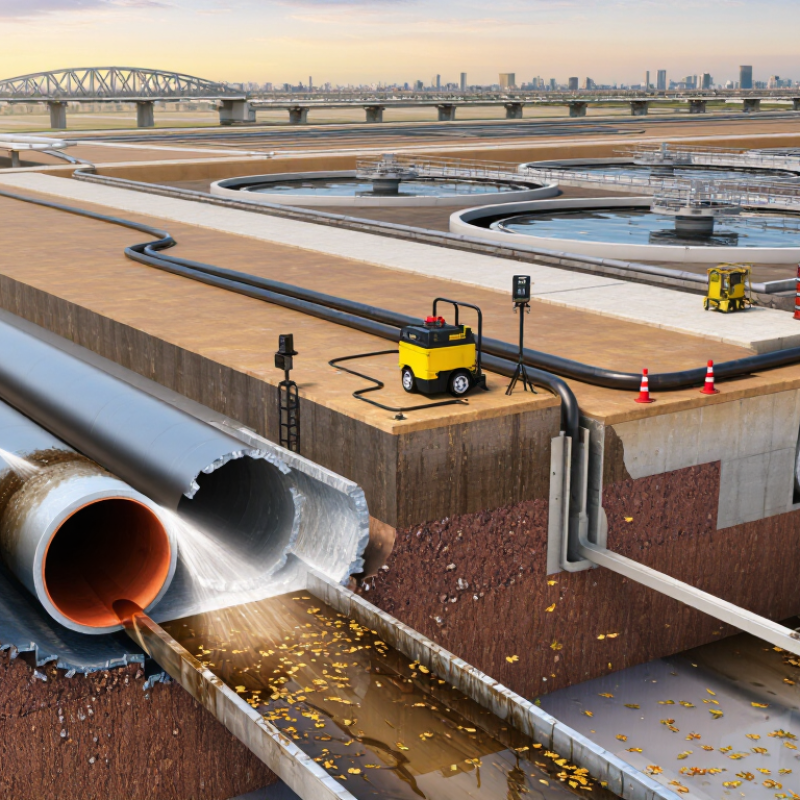
2026 Best Methods to Clean Large Infrastructure Systems?

Assessing the Condition and Cleaning Needs of Infrastructure Systems

Assessing infrastructure condition is more useful than cleaning by schedule alone. A culvert may look clear at its entrance while sediment narrows the channel deeper inside. Inspect access points, flow rates, pressure changes, vibration, and recent maintenance records before selecting a cleaning method. Small clues matter. Camera surveys can reveal deposits, root intrusion, or damaged joints; water sampling can help distinguish sediment from corrosion products.

The American Society of Civil Engineers’ 2021 Report Card for America’s Infrastructure found 43% of U.S. roads were in poor or mediocre condition. That figure does not measure cleaning needs, but it shows why surface appearance alone is a weak guide to asset health. EPA’s 2023 Drinking Water Infrastructure Needs Survey and Assessment estimated $625 billion in drinking-water infrastructure needs over 20 years. Cleaning cannot replace repairs, yet condition checks can identify deposits that restrict flow or accelerate wear.

Set cleaning priorities using measurable changes: reduced capacity, recurring blockages, unusual sediment, or deposits confirmed during inspection. Record findings before and after each intervention, including where material collected and whether flow improved. The thresholds will vary by system. They may also be imperfect. Review them against operating history, especially when one sensor reading conflicts with what crews observe on site.

Selecting Methods for Different Materials and Contaminants

Large infrastructure systems rarely need one cleaning method from end to end. Match the approach to both the surface and the contaminant. Loose silt in a concrete channel may respond to controlled water flushing and vacuum recovery. Rust scale inside steel piping may require mechanical removal, followed by inspection for wall damage. Biofilm needs a different plan from mineral deposits; confirm the material can tolerate any treatment before use.

For coated surfaces, start gently. Abrasive methods can strip protective layers, while excessive water pressure may force moisture into joints. Oil and grease often need compatible cleaners and proper collection of wash water. Check material specifications, contaminant characteristics, and site conditions. A small test area can reveal problems before crews treat a full length of pipe or a broad structural surface. It is tempting to choose the fastest method. That choice can create more repairs later.

Tips: Photograph deposits before cleaning, note their location, and inspect the surface afterward. Use clean sampling tools. Keep a record of pressure, temperature, and contact time where relevant. If the result is uneven, pause and reassess rather than simply increasing force. Some deposits are difficult to identify by appearance alone, so field observations should not replace qualified assessment when damage or exposure is possible. Cleaning plans sometimes need revision; that is not failure, just useful evidence.

Preparing Equipment, Access, and Safety Controls

Large infrastructure cleaning begins with a clear picture of the asset. Review drawings, recent inspection notes, and the cleaning scope before moving equipment. A tunnel drain, water channel, and elevated steel frame each need different tools. Confirm power, water, waste handling, and equipment limits on site. Small details matter.

Access must be planned, not improvised. Check ground bearing, overhead clearance, traffic routes, and emergency exits. Use suitable, inspected platforms or access systems for the structure and task. Inspect hoses, cables, guards, and connection points before operation. Keep equipment stable and leave a clear route for workers and response teams. If conditions change, pause and reassess. That pause can feel inconvenient.

Set safety controls around actual hazards, including falling objects, moving machinery, confined spaces, noise, and slippery surfaces. Use a site-specific risk assessment, clear communication, and competent supervision. Isolate relevant energy sources where required, and verify isolation before work starts. Select protective equipment for the exposure, not by habit. Control wash water and debris so they cannot enter drains or contaminate nearby areas. Keep a simple record of checks and changes. No plan is perfect. Crews should speak up when a control is unclear, even if the schedule is tight.

Applying Mechanical, Chemical, and Water-Based Cleaning

Mechanical, chemical, and water-based cleaning each solve different problems in large infrastructure systems. Mechanical tools remove scale, roots, and loose corrosion from accessible surfaces. Scrapers and rotary brushes offer control, but may scratch coatings or leave debris behind. Inspect contact points before work. Small details matter.

Chemical cleaning can dissolve mineral scale or biological films in pipes and heat exchangers. The U.S. EPA’s 2023 Drinking Water Infrastructure Needs Survey estimates $625 billion in drinking-water infrastructure needs over 20 years. That figure is not a cleaning budget, but it shows the scale of investment at stake. Operators should record water chemistry, contact time, and waste handling. A poorly chosen reagent can damage liners or mobilize contaminants. Bench testing helps.

Water-based cleaning ranges from flushing to controlled high-pressure jets. It can reduce chemical use, yet poorly managed flows may spread sediment. NACE International’s 2016 IMPACT study estimated global corrosion costs at $2.5 trillion, or 3.4% of world GDP; it did not measure cleaning savings. Still, asset condition deserves attention. Check material compatibility, isolation, and discharge controls before combining methods. Some deposits behave unpredictably, so field assumptions need a second look.

Verifying Results and Establishing Ongoing Maintenance

After cleaning a large infrastructure system, verify the result against conditions recorded before work began. Inspect representative areas, including joints, low points, filters, and hard-to-reach surfaces. Use consistent photographs, residue checks, and relevant measurements, such as airflow, pressure drop, or water flow. Record instrument calibration, sampling locations, date, and operating conditions. Numbers can mislead.

A clean appearance alone does not prove that a system performs properly. Compare readings with established operating ranges and investigate unusual changes before returning equipment to normal service. If safe access is limited, document the uninspected area and arrange a suitable follow-up check. Keep the evidence. A rushed handoff can leave useful findings scattered across emails and paper notes, so store inspection records where maintenance teams can retrieve them.

Set maintenance intervals using operating hours, contamination rates, inspection results, and the consequences of failure. A dusty ventilation route may need more frequent checks than a lightly used section. Track recurring issues, such as a filter loading early or residue returning near a drain, and adjust the schedule when evidence supports it. Review the plan after repairs, process changes, or seasonal shifts. Not every interval will be right at first; record why it changes and check whether the next inspection confirms the decision.

FAQS

What should crews review before cleaning infrastructure?

Check drawings, recent inspection notes, cleaning scope, and site utilities. Small details matter.

How should access be planned?

Check ground strength, overhead clearance, traffic routes, and emergency exits. Use inspected access equipment and keep worker routes clear.

Which hazards need controls during cleaning?

Assess falling objects, moving machinery, confined spaces, noise, and slippery surfaces. Confirm required energy isolation before work begins.

How do crews choose a cleaning method?

Match the method to the deposit and surface. Mechanical tools can remove scale, but brushes may scratch coatings.

What should be checked before chemical cleaning?

Record water chemistry, contact time, and waste handling. Test compatibility where possible; a reagent may damage liners.

Can water-based cleaning prevent contamination?

It can reduce chemical use, but uncontrolled flows may spread sediment. Check discharge controls and material compatibility.

How can crews verify cleaning results?

Compare before-and-after photos, residue checks, and measurements such as water flow or pressure drop. A clean look proves little.

How should maintenance intervals be set?

Consider operating hours, contamination rates, inspection results, and failure consequences. Adjust the schedule when evidence supports a change.

What records should crews keep after the work?

Store inspection results, calibration details, sampling locations, and uninspected areas where maintenance teams can find them. Rushed handoffs happen.

Conclusion

Cleaning large infrastructure systems begins with a careful assessment of their condition, construction materials, access points, and the types of buildup present. This initial review helps determine how to clean large infrastructure systems without causing unnecessary wear or disrupting essential operations. The cleaning method should match both the surface and the contaminant, since loose debris, mineral deposits, and biological growth may require different approaches.

Before work begins, teams should prepare suitable equipment, plan safe access, and establish controls to protect workers, the public, and surrounding environments. Mechanical tools, appropriate cleaning agents, and water-based techniques can then be applied separately or in combination, with settings adjusted to the structure’s condition. After cleaning, inspections and other practical checks confirm whether the desired results have been achieved. Recording findings and setting a regular maintenance schedule can help identify future needs early, reduce the buildup of contaminants, and support the long-term performance of infrastructure systems.

Mason

Mason

Mason is a seasoned marketing professional with a deep expertise in the company's offerings and a passion for driving brand awareness. With a strong background in digital marketing strategies, he has an innate ability to connect with diverse audiences and effectively communicate product benefits.......