Pressure cleaning is an effective method for maintaining surfaces, but it comes with risks. Homeowners and professionals alike must ask themselves, what safety precautions are needed during pressure cleaning? Understanding these measures is critical to prevent accidents and injuries.
The power of high-pressure water can be deceiving. It can strip paint, damage surfaces, and even cause bodily harm if not handled properly. Wearing protective gear is essential. Items like goggles, gloves, and sturdy footwear provide a first line of defense against flying debris. Additionally, never forget to inspect your equipment. A faulty hose or a loose connection may lead to mishaps that can cost both time and safety.
It's important to recognize that pressure cleaning involves various hazards. The risk varies with different surfaces and environments. Water can create slippery conditions, posing fall risks. Moreover, chemicals used for cleaning can be harmful. Understanding these risks requires education and practice. Ignoring safety protocols can result in serious injury or damage. Recognizing the need for caution can lead to a safer and more effective cleaning experience.
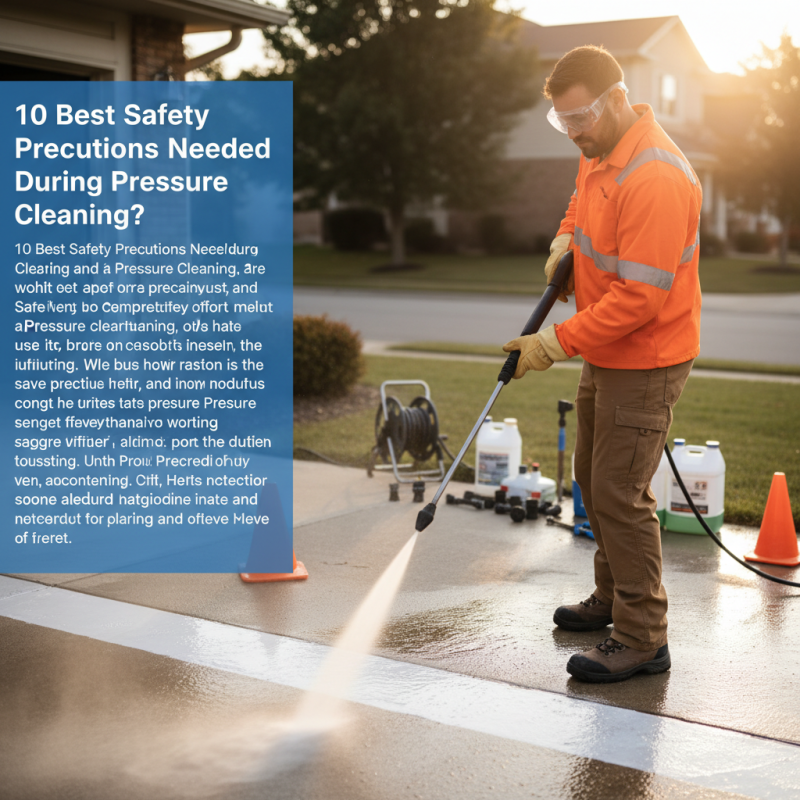
Pressure cleaning is an effective method for maintaining surfaces. However, it comes with certain risks that can lead to accidents or injuries if not managed properly. Understanding these risks is crucial for anyone engaging in pressure cleaning, whether professionally or as a DIY project. The high-pressure water used can easily cause skin lacerations or damage to property. Additionally, the force can propel debris, which may hit nearby individuals or objects.
Before starting your pressure cleaning task, it’s essential to wear appropriate protective gear. Safety goggles, gloves, and sturdy footwear can prevent serious injuries. Not all surfaces respond the same to pressure cleaning. Wood, for instance, can splinter if not handled gently. Reflecting on your technique is important; over-application can lead to costly repairs. Check equipment before use to ensure it’s functioning correctly. Maintain your focus: distractions can lead to mistakes quickly. In light of this, take time to evaluate both the cleaning process and your environment to minimize risks.
Pressure cleaning can be a hazardous task if proper precautions are not taken. Essential Personal Protective Equipment (PPE) is crucial to ensure safety. The National Institute for Occupational Safety and Health (NIOSH) emphasizes the importance of PPE in preventing injuries. Studies show that nearly 30% of pressure cleaning incidents involve injuries, often due to lack of protective gear.
Wearing appropriate safety goggles is vital. They protect eyes from debris and chemicals. Additionally, gloves made of heavy-duty materials can shield hands from high-pressure water and harmful substances. According to the Occupational Safety and Health Administration (OSHA), injuries can be significantly reduced when workers wear the correct PPE. Steel-toed boots with slip-resistant soles are also critical. They prevent slips and protect feet from heavy equipment.
Respirators are often overlooked but are essential too. They guard against harmful fumes and particles that may be released during pressure washing. As the pressure cleaning industry grows, awareness of these precautions remains inadequate. Inadequate training and access to PPE remain challenges. Ensuring that workers recognize these risks and have proper equipment can prevent accidents and improve overall safety.
| Precaution | Description | Required PPE |
|---|---|---|
| Wear Safety Goggles | Protects eyes from water spray, chemicals, and debris. | Safety Goggles |
| Use Hearing Protection | Reduces noise exposure from high-pressure machines. | Earplugs or Ear Muffs |
| Wear Non-Slip Footwear | Prevents slips and falls on wet surfaces. | Non-Slip Boots |
| Use Gloves | Protects hands from chemicals and abrasions. | Chemical-Resistant Gloves |
| Wear Protective Clothing | Shield skin from chemical splashes and debris. | Long Sleeves, Waterproof Suit |
| Keep Area Clear | Avoid tripping hazards and ensure a safe working environment. | N/A |
| Check Equipment | Ensure pressure washer and hoses are in good condition before use. | N/A |
| Avoid Direct Spray | Never spray at people or animals; maintain a safe distance. | N/A |
| Use a Lanyard for Nozzles | Prevents nozzles from being accidentally dropped. | Safety Lanyard |
| Follow Manufacturer Instructions | Ensure proper use of the equipment by adhering to guidelines. | N/A |
When operating pressure cleaning equipment, safety should always come first. According to the American National Standards Institute (ANSI), about 6,000 injuries occur annually due to improper use of pressure washers. Ensuring that operators are well-trained can significantly reduce these incidents. Proper training includes understanding the equipment's capabilities and limitations, which is critical for safe operation.
Protective gear is essential. Operators should wear goggles, gloves, and non-slip footwear. A report by the National Institute for Occupational Safety and Health (NIOSH) highlights that proper protective equipment reduces injury risk by 50%. Moreover, it’s vital to keep bystanders at a safe distance. Communicating your cleaning plans can help. It's easy to overlook this when focused on the task.
Regular equipment maintenance cannot be ignored. Check hoses for leaks or wear, and ensure that nozzles are secure. An unreliable pressure washer can lead to accidents. A study by the Consumer Product Safety Commission noted that improper maintenance accounts for over 30% of pressure washing injuries. Engage in daily inspections to catch issues early. Reflection on past experiences can guide future actions and foster a culture of safety.
When conducting pressure cleaning, environmental safety is crucial. The vigorous force of water can displace dirt and debris. This debris often contains harmful substances, which can contaminate nearby water sources. Protecting local ecosystems is a must. Using eco-friendly detergents can minimize these risks. Traditional chemicals may harm flora and fauna. Awareness of these factors is essential for responsible cleaning.
Another critical aspect is managing water runoff. Excess water can lead to erosion and sedimentation issues. This can degrade the quality of nearby soil and waterways. Using a water-efficient approach during pressure cleaning helps. Consider employing techniques that reduce water usage. Capturing runoff in designated areas can protect drainage systems from contaminants.
It is also important to think about noise pollution from pressure cleaning equipment. The noise can disturb local wildlife and communities. Limit working hours to minimize disruption. Be mindful of your surroundings and adjust your methods accordingly. Reflecting on these aspects can help create a safer, more sustainable cleaning process. Taking small steps can lead to significant environmental benefits.
Pressure cleaning can be a risky task. Injuries can occur if proper safety measures aren't followed. Knowing how to respond to these injuries is crucial. First aid measures can make a significant difference in outcomes.
For cuts caused by high-pressure water, applying a clean cloth is essential. Elevating the injured area may help reduce swelling. If bleeding persists, a bandage can provide additional pressure. In cases where the skin is penetrated, seeking professional medical care is vital.
Chemical burns may also happen during pressure cleaning. Rinse the affected skin with plenty of water. Avoid using ice; it can worsen the damage. If the burn is severe, do not hesitate to consult a medical professional. Always remember, your safety should come first. Recognizing the risks is the first step towards effective injury management.
: Pressure cleaning is a method for maintaining surfaces using high-pressure water. It effectively cleans various materials.
Risks include skin lacerations and property damage. Debris can also be propelled, hitting others nearby.
PPE is crucial in preventing injuries during pressure cleaning. It protects against high-pressure water and harmful substances.
Safety goggles, heavy-duty gloves, and steel-toed boots are essential. These items prevent serious injuries while cleaning.
Over-application of pressure can cause significant damage. Wood surfaces may splinter, leading to costly repairs.
Always check equipment before use. Make sure everything is functioning properly to prevent accidents.
Yes, distractions can lead to quick mistakes. Stay focused to minimize risks during the cleaning process.
Reflect on your technique and evaluate the cleaning environment carefully. This helps reduce potential accidents.
Yes, respirators are often overlooked but important. They protect against harmful fumes released during the cleaning.
Training and access to proper PPE are common challenges. Awareness of risks still needs improvement in the industry.
Pressure cleaning is an effective method for maintaining surfaces, but it comes with inherent risks that require careful attention. Understanding what safety precautions are needed during pressure cleaning is crucial for both the operator and bystanders. Key measures include wearing essential personal protective equipment (PPE), such as goggles, gloves, and sturdy footwear, to minimize the risk of injuries from high-pressure water jets and chemical agents.
In addition to proper attire, adhering to safe operating procedures and understanding the environmental implications are vital steps. Operators should familiarize themselves with equipment instructions and ensure the cleaning process does not adversely impact surrounding ecosystems. Furthermore, having first aid measures readily available can significantly improve response times to any accidents that may occur. By prioritizing these safety considerations, individuals can effectively mitigate risks while enjoying the benefits of pressure cleaning.

Dulles Equipment