Proper maintenance of cleaning equipment is crucial for efficiency and longevity. Many professionals overlook this aspect. However, knowing how to maintain cleaning equipment properly can enhance performance and extend the life of these tools. Regular upkeep not only saves money but also ensures a safer working environment.
Frequent cleaning and inspection of equipment parts can prevent costly repairs. Make it a habit to check filters, hoses, and other components regularly. This attention to detail can lead to unexpected improvements in cleaning efficiency. However, some may struggle with maintaining a consistent maintenance schedule. It's essential to reflect on recent practices to find areas that require more attention.
Training staff on best practices is vital. Not everyone understands the nuances of equipment care. Providing adequate resources and guidance can help teams develop better habits. Remember, neglecting maintenance can lead to significant issues down the line. Adopting a proactive approach can mitigate these risks and promote a more productive workspace.
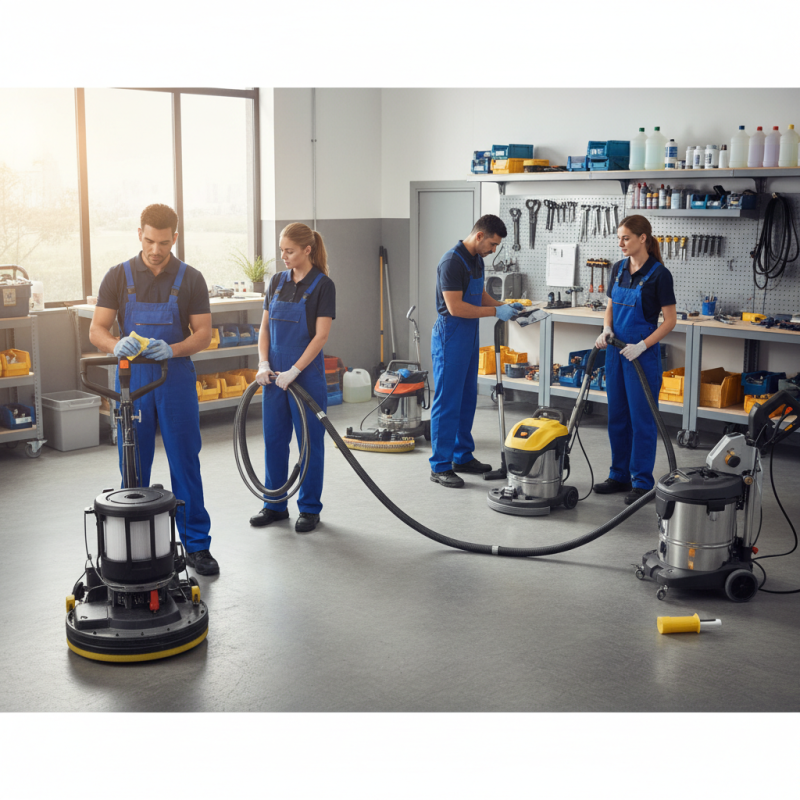
Daily maintenance of cleaning equipment is crucial for optimal performance. According to the Cleaning Equipment Manufacturers Association (CEMA), poorly maintained equipment can lose up to 30% of its efficiency. Regular inspections help identify wear and tear. Check hoses, brushes, and filters daily. This prevents costly repairs and ensures equipment longevity.
Cleaning equipment should be inspected for any signs of buildup. Dirt and debris can hinder functionality. For instance, a vacuum's motor can overheat if filters are clogged. Industry reports suggest that addressing these small issues early can extend equipment life by 25%. Scheduling daily cleaning routines helps maintain hygiene standards and boosts productivity in any workspace.
Inadequate maintenance can lead to more than just equipment failure. It can also impact health and safety. A malfunctioning scrubber can leave floors hazardous. Be aware of common pitfalls, such as neglecting battery checks or ignoring unusual sounds. Keeping a log of maintenance activities can provide insights into recurring issues. This proactive approach not only improves reliability but also enhances safety in daily operations.
When it comes to cleaning equipment care, having the right tools can make a significant difference. A sturdy brush or scrub pad is essential for removing dirt and grime. Soft microfiber cloths are perfect for cleaning delicate surfaces without scratching. Keeping a bucket or bin nearby can help collect waste and simplify the cleaning process. A good pair of gloves protects your hands while you work.
However, it's important to approach cleaning equipment with a critical eye. Regular inspections can reveal hidden issues. Are your tools fraying or breaking? Should you consider replacing certain items? Equipment wear and tear often affect performance. It's tempting to overlook small damages, but they can grow into larger problems.
A multi-surface cleaner is a must-have for maintaining versatility. Using the wrong product on equipment can lead to damage. Make sure to follow the manufacturer’s guidelines. Reflections on your cleaning routine are necessary for improvements. Take time to evaluate what works and what doesn’t. Proper care can help extend the life of your tools, making them reliable partners in your cleaning endeavors.
This chart displays the essential tips for maintaining cleaning equipment effectively. The focus is on frequency of maintenance tasks and their importance.
Maintaining cleaning equipment is crucial for its longevity and efficiency. Understanding the lifespan of various tools can guide proper care. For instance, vacuum cleaners typically last between 5 to 10 years, depending on usage and maintenance. Properly changing filters and cleaning dust receptacles can extend their life significantly. A study by the Association of Home Appliance Manufacturers indicates that regular maintenance can increase lifespan by up to 30%.
Mops and brooms, on the other hand, have shorter lifespans. Mops usually need replacing every 6 to 12 months, while brooms last longer, averaging 1 to 3 years. They can fall short if not properly cleaned and stored. A clean environment enhances performance; however, neglect leads to deterioration. Reports suggest that improper storage is a common mistake, with 40% of users storing equipment in damp places.
Understanding these lifespans helps in planning maintenance schedules. A professional cleaning report noted that 70% of cleaning companies overlook basic equipment care. Awareness brings accountability. Proper techniques, like deep cleaning and inspecting tools, can prevent early replacement, saving money. Reflecting on these insights leads to effective equipment care.
Maintaining hygiene in cleaning equipment is critical for industry compliance. According to a recent report by the International Sanitary Supply Association, 85% of cleaning professionals believe that properly maintained equipment influences hygiene outcomes. Regular inspections and cleanings are vital in preventing microbial growth. Equipment like mops and floor scrubbers must be cleaned after each use to avoid cross-contamination.
The American National Standards Institute outlines key recommendations for cleaning equipment hygiene. They propose that all equipment should be sanitized weekly, focusing on high-touch areas. Failing to adhere to these standards can lead to serious hygiene violations. Surprisingly, about 30% of cleaning equipment users do not have a regular cleaning schedule.
Investing in employee training is also essential. Educating staff on proper equipment upkeep increases accountability. Many companies overlook this, which results in increased health risks. Regular audits can help identify gaps and enhance cleaning practices. Inadequate attention to this aspect can significantly affect overall cleanliness. It's crucial to strive for improvement even when challenges arise in maintaining high standards.
| Tip | Description | Frequency | Impact on Hygiene |
|---|---|---|---|
| Regular Inspection | Check for wear and tear on equipment to ensure proper functionality. | Weekly | Prevents cross-contamination |
| Thorough Cleaning | Deep clean equipment using recommended cleaners to remove residues. | Daily | Reduces bioburden |
| Proper Storage | Store equipment in a clean, dry area to prevent microbial growth. | Always | Maintains cleanliness |
| Follow Manufacturer Guidelines | Adhere to the manufacturer’s specifications for maintenance and cleaning. | As needed | Ensures equipment longevity |
| Training Staff | Educate staff on proper use and maintenance of cleaning equipment. | Quarterly | Improves operational efficiency |
Regular maintenance of cleaning equipment significantly boosts its efficiency. When machines are cleaned and serviced frequently, they run better. It reduces the risk of breakdowns, which can halt operations. A well-maintained vacuum cleaner picks up dirt more effectively than a neglected one. Maintenance ensures that all parts are functioning optimally.
Neglecting equipment can lead to costly repairs. Some may think a quick fix will do. However, that can cause further damage. Users often overlook small issues, thinking they are minor. Yet, these can deteriorate into bigger problems. Regular checks can catch potential issues early.
Training staff on proper maintenance is crucial. Their familiarity with equipment will enhance efficiency. The time spent on maintenance training pays off. Staff should understand how their actions impact machine lifespan. Cleaning equipment deserves attention, as it directly affects cleaning quality.
: Daily maintenance is crucial for optimal performance and can prevent a loss of up to 30% efficiency.
Check hoses, brushes, and filters for wear and tear to avoid costly repairs.
Dirt and debris can hinder functionality, and clogged filters can cause overheating.
It can lead to equipment failure and create unsafe work environments.
Regular checks can catch small problems early before they escalate into bigger ones.
Proper training improves efficiency and prolongs machine lifespan through better handling.
Keeping a log of maintenance activities helps identify recurring issues and improve reliability.
Scheduling maintenance routines helps maintain hygiene and reduces operational disruptions.
Ignoring unusual sounds may lead to more significant problems and costly repairs later.
Frequent cleaning and servicing can extend equipment life by up to 25%.
Maintaining cleaning equipment properly is essential for ensuring efficiency and longevity. Best practices for daily cleaning equipment maintenance include regular inspections, proper storage, and immediate attention to any signs of wear or malfunction. Essential tools for effective care, such as brushes, lubricants, and cleaning solutions, can help in upholding hygiene standards and equipment performance.
Understanding the lifespan of various cleaning equipment can guide users in scheduling routine maintenance and replacements. Adhering to industry standards for cleaning equipment hygiene not only fosters a safer environment but also enhances equipment reliability. Ultimately, the impact of regular maintenance on cleaning equipment efficiency cannot be overstated; it ensures optimal operation, reduces downtime, and saves costs in the long run.

Dulles Equipment