Understanding what causes pipe blockages is essential for maintaining a functional plumbing system. According to Dr. James Thorne, a leading expert in plumbing and drainage systems, “Most blockages stem from improper waste disposal and buildup over time.” His insights highlight common practices that can lead to severe plumbing issues.
Pipe blockages often occur due to various factors. Grease, hair, and food particles are frequently to blame. These materials accumulate and form stubborn clogs. Even minor missteps, like flushing inappropriate items, can create significant problems down the line. Sometimes, unsuspecting homeowners may overlook these warning signs until it’s too late.
Preventing blockages requires proactive measures. Regularly cleaning drains and being mindful of what goes down sinks can help. Homeowners should also consider professional inspections. These steps can save time, money, and the hassle of emergency repairs. Understanding what causes pipe blockages allows for better maintenance solutions and ultimately enhances home plumbing systems.
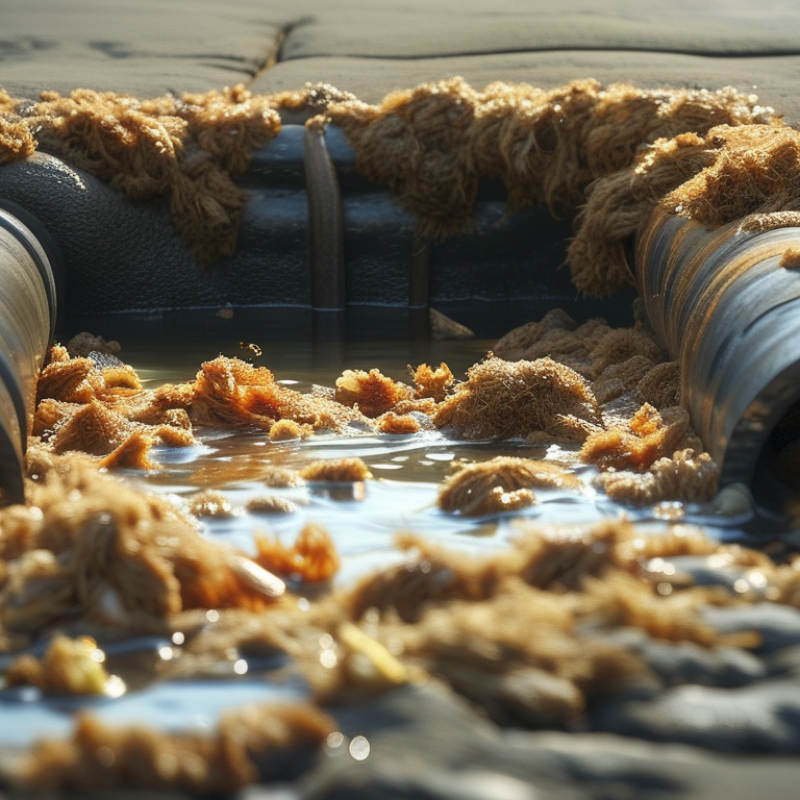
Pipe blockages are a common problem in both residential and commercial plumbing systems. The main causes often include grease buildup, foreign objects, tree roots, and mineral deposits. According to a study by the American Society of Plumbing Engineers, over 60% of blockages arise from grease and fat accumulation in pipes. When hot grease solidifies, it clings to the pipe walls, narrowing the passage and eventually causing a blockage.
Foreign objects, such as toys or sanitary products, also contribute to pipe issues. In fact, about 15% of blockages are due to these items being flushed down toilets. Tree roots invading sewer lines are another significant cause. The National Association of Sewer Service Companies reports that root intrusion accounts for approximately 30% of residential sewer blockages. Understanding these causes helps in assessing the risk and taking preventive measures.
Regular maintenance is crucial for preventing these issues. Installing grease traps can mitigate grease buildup in commercial kitchens. Utilizing strainers in sinks and toilets can prevent foreign objects from entering the system. Root barriers and regular inspections of sewer lines are effective for safeguarding against root damage. While these methods can significantly reduce risks, it’s important to remember that blockages may still occur despite proactive efforts, highlighting the need for professional plumbing services.
Clogs in pipes are often caused by common household items that many of us use daily. Hair is a significant contributor to bathroom sink and shower blockages. When showering, loose strands can accumulate over time, leading to stubborn clogs. For kitchens, grease from cooking can solidify in pipes, creating serious obstructions. Food particles, especially starchy ones, can also cause major backups.
To prevent these issues, there are simple measures you can take. Regularly clean drain stoppers to remove hair and debris. Installing a mesh screen over your drains can catch unwanted items before they enter your plumbing. In the kitchen, avoid pouring grease down the sink. Instead, let it cool and dispose of it in the trash.
Be aware that using chemical drain cleaners can often lead to more harm than good. They can damage pipes and are not always effective. Regular maintenance with hot water can help dissolve minor buildups. It’s important to stay vigilant about what goes down your drains. Small actions can save you from costly plumbing repairs in the future.
Pipe blockages can be a frustrating issue for homeowners. Understanding preventive measures is crucial. According to industry data, approximately 75% of plumbing issues stem from blockages. Most blockages result from the accumulation of grease, hair, and foreign objects. Regular maintenance and monitoring can help mitigate these problems.
One effective strategy is to install drain screens. These devices catch debris before it enters your plumbing system. Regularly cleaning these screens ensures that they function optimally. Additionally, experts recommend flushing drains with hot water weekly. This practice helps dissolve grease buildup. It’s a simple yet effective step many overlook.
Another preventative measure is mindful disposal of waste. Avoid flushing items like paper towels and hygiene products. These can cause significant clogs. Regular inspection of pipes allows you to spot early signs of potential blockages. If you notice slow drainage, take action immediately. Waiting can lead to larger issues down the line, ultimately resulting in costly repairs. Taking these proactive steps can save time and prevent frustration.
When dealing with plumbing issues, recognizing the signs of pipe blockages is essential. Slow drainage is one of the first indicators. If water lingers in sinks or bathtubs, it's a cry for help. Often, people ignore this. Don't let small issues escalate into significant problems.
Another warning sign is unusual sounds from the pipes. Gurgling or bubbling noises can indicate air trapped in the lines. This could be a result of build-up somewhere down the line. Homeowners sometimes overlook these signs, thinking they are harmless. However, they can lead to costly repairs if unmanaged.
Lastly, an unpleasant odor from drains can mean trouble. If you smell something foul, it might not be just food particles. This could indicate stagnant water or decaying matter in pipes. It’s crucial not to dismiss this. Regular inspections can prevent major blockages and ensure your plumbing system stays in good shape. Stay alert to these signs to maintain a functional home.
| Cause | Signs of Blockage | Prevention Tips |
|---|---|---|
| Hair Accumulation | Slow draining water, backup in sink or tub | Install hair traps, regularly clean drains |
| Grease Buildup | Foul odors, gurgling sounds | Avoid pouring grease down the drain, use hot water |
| Foreign Objects | Complete blockage, unusual noises | Keep drains clear, use drain covers |
| Root Intrusion | Frequent backups, slow drains | Regular inspections, root barriers |
| Pipe Corrosion | Leaks, discoloration of water | Use proper pipe materials, schedule inspections |
Maintaining healthy pipes is crucial for any home. Regular inspections can reveal signs of wear and tear. Keep an eye on your drainage systems. Small leaks or rust can lead to bigger issues down the line. It’s essential to be proactive, rather than reactive.
Effective methods for clearing pipes begin with prevention. Use drain guards to catch food particles and hair. Regularly flushing your pipes with hot water can help dissolve grease and soap buildup. Vinegar and baking soda are natural alternatives for maintaining cleanliness. These methods are not just safe, but also environmentally friendly.
However, not all blockages can be foreseen. Some clogs develop deep within the pipes. It’s important to know the limits of DIY solutions. If a blockage persists, professional intervention may be necessary. Relying solely on store-bought chemicals can lead to more damage. Remember, pipe health requires ongoing attention. Small, consistent efforts often yield the best results.
: Pipe blockages often arise from grease buildup, foreign objects, tree roots, and mineral deposits.
Hot grease solidifies and clings to pipe walls, narrowing the passage and causing clogs over time.
Items like toys and sanitary products are commonly flushed, contributing to about 15% of blockages.
Tree roots invading sewer lines account for around 30% of residential sewer blockages.
Installing grease traps and using strainers in sinks can significantly reduce grease accumulation and foreign object entry.
Regular inspections and using drain guards to catch debris can help maintain pipe health and prevent blockages.
Flushing pipes with hot water and using vinegar and baking soda are effective, safe, and environmentally friendly methods.
If a blockage persists after DIY attempts, it's wise to seek professional help to avoid further damage.
Yes, ongoing attention to pipe health can prevent larger issues and costly repairs in the long run.
Not all blockages can be fixed at home. Some may require professional intervention due to their complexity.
Pipe blockages can lead to significant plumbing issues in households, and understanding what causes pipe blockages is essential for prevention. Common culprits include grease buildup, hair, soap scum, and food debris, which can accumulate over time and restrict the flow of water. Additionally, tree roots can invade underground pipes, causing serious blockages.
To prevent these issues, homeowners should adopt routine maintenance practices, such as avoiding pouring grease down drains and using drain screens to catch debris. It's also important to recognize the signs of potential blockages, such as slow drainage or unusual noises in the plumbing system. Regular inspection and cleaning can effectively maintain pipe health and prevent inconvenient clogs from disrupting daily life.

Dulles Equipment