How to Choose the Right Cleaning Equipment for Industrial Use?

Time:2026-04-03 Author:Sophia
0%

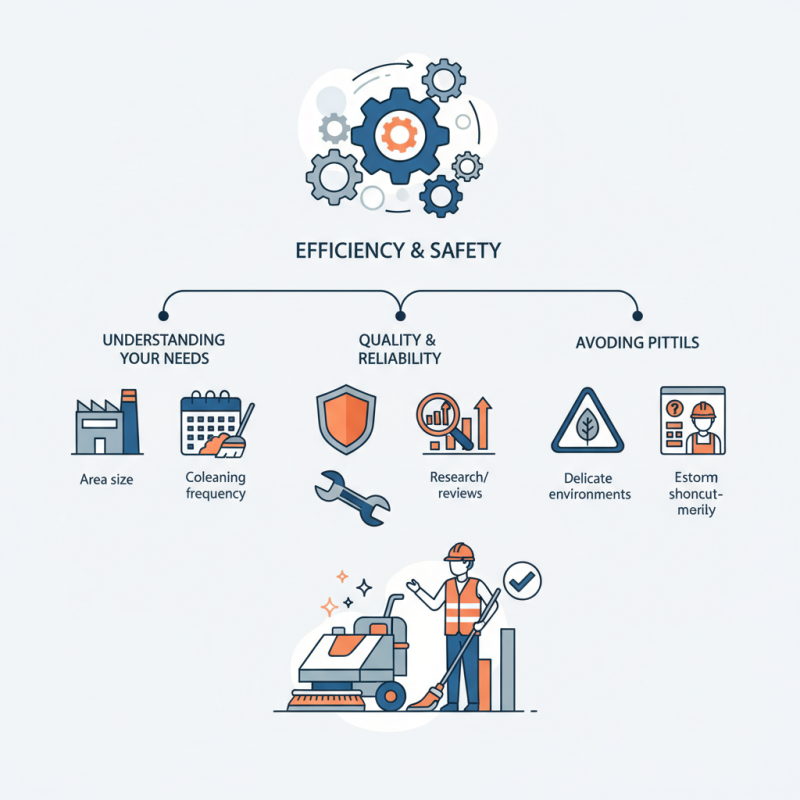
Choosing the right cleaning equipment for industrial use can significantly impact efficiency and safety. With so many options available, making an informed decision is essential. Understanding your specific needs sets the foundation for successful selection. Factors include the size of the area, type of contaminants, and frequency of cleaning required.

When considering how to choose the right cleaning equipment for industrial use, remember that quality matters. Investing in reliable equipment ensures longevity and reduces maintenance costs. It's vital to research different manufacturers and their reputations. User reviews can offer insights into performance and durability.

However, many industries overlook important details, leading to regrettable choices. For example, a powerful machine may not suit delicate environments. Or, an operator might struggle with complicated controls. Reflecting on these aspects will guide you toward the most effective solutions. Ultimately, the right equipment enhances productivity and creates a safer work environment.
How to Choose the Right Cleaning Equipment for Industrial Use?

Identifying the Specific Cleaning Needs in Your Industrial Environment

Identifying specific cleaning needs in an industrial environment is crucial. Every facility has unique challenges that require tailored solutions. Factors such as the type of industry, the size of the area, and the nature of the contaminants must be considered. For example, a food processing plant may face grease and organic waste, while a manufacturing floor might deal with oil spills and metal shavings.

Choosing the right cleaning equipment begins with assessing these needs. It’s important to evaluate the surfaces that require cleaning. Smooth surfaces may need different solutions than textured or porous ones. Understanding the frequency of cleaning is also key. Daily operations might demand equipment that is both efficient and easy to use. While many businesses opt for high-powered machines, sometimes a simpler approach could yield better results.

Reflection on past cleaning experiences can guide decisions. Did the equipment underperform? Were there recurring issues? These reflections can highlight gaps in your current process. Engaging with cleaning professionals might also provide valuable insights. Their expertise can help select equipment that not only meets today’s needs but can adapt to future challenges. This thoughtful approach ensures that the right cleaning tools are chosen effectively.

Evaluating Types of Cleaning Equipment for Different Industries

When evaluating types of cleaning equipment for different industries, one must consider specific needs. Manufacturing sectors often require powerful floor scrubbers. These machines handle heavy debris and stains. In contrast, the food industry favors sanitizing equipment that meets health regulations. Hot water pressure washers effectively remove grease and grime, ensuring safety.

Healthcare facilities depend on more specialized tools. Infection control is paramount here. Ultrasonic cleaners and steam cleaners eliminate pathogens efficiently. Choosing the right equipment will impact workers’ safety and product quality. Industries must assess their unique environments and the types of contaminants present.

It's essential to reflect on your current equipment. Does it meet your needs? Is it reliable? Over time, technology advances and equipment becomes outdated. Regular evaluation can lead to improvements and cost savings. Consider the balance between performance and budget. Each industry presents distinct challenges that the right cleaning equipment can help address effectively.

How to Choose the Right Cleaning Equipment for Industrial Use? - Evaluating Types of Cleaning Equipment for Different Industries

Equipment Type Industry Primary Use Key Features Considerations
Pressure Washer Manufacturing Surface Cleaning High pressure, portable Water supply access
Industrial Vacuum Cleaner Construction Debris Removal Powerful suction, large capacity Noise level
Floor Scrubber Retail Floor Cleaning Automatic, efficient Size of the area
Steam Cleaner Food Processing Sanitization High temperature, chemical-free Water source required
Ultrasonic Cleaner Healthcare Instrument Cleaning Gentle yet thorough Material compatibility

Assessing the Importance of Equipment Durability and Reliability

When selecting cleaning equipment for industrial use, durability and reliability are critical factors. Recent studies from the Cleaning Equipment Research Institute indicate that nearly 70% of maintenance costs stem from equipment failure. This statistic underscores the importance of choosing machines that can withstand rigorous use in demanding environments. Equipment must be robust enough to handle various cleaning tasks, from tough stains to heavy debris.

A survey of industry professionals revealed that over 55% prioritize equipment lifespan when making procurement decisions. This preference stems from the reality that downtime can cost businesses thousands of dollars. Reliable machines reduce the frequency of repairs, thereby ensuring operational efficiency. Poorly made equipment can lead to repetitive issues, prompting re-evaluation of cleaning strategies.

To find the right equipment, consider materials and design features. Look for units with corrosion-resistance and high-quality components. Though initial costs may be higher, investing in durable equipment pays off. It minimizes the risk of operational disruptions. Flexibility in cleaning capabilities is also essential, as needs can shift over time. Regular evaluation and gathering feedback from users can help in making better choices.

Understanding the Cost-Benefit Analysis of Cleaning Equipment Investments

Investing in cleaning equipment for industrial use requires careful consideration of cost and benefits. The right equipment can enhance productivity and improve safety. However, upfront costs can be daunting. A thorough cost-benefit analysis helps in making informed decisions.

When assessing potential purchases, evaluate the long-term savings against initial expenses. For instance, high-efficiency machines often reduce labor costs and downtime. Sustainable options may lower utility bills. However, not every piece of equipment justifies its price. Some advanced models may not be necessary for all operations.

Consider the reliability and support from manufacturers. Choose equipment backed by strong warranties and customer service. A lack of support could lead to increased maintenance costs over time. Understanding your specific needs is crucial. Regular evaluation of equipment effectiveness can also provide insights. Reflect on past purchases to avoid repeating mistakes.

Researching and Comparing Manufacturers and Equipment Reviews

When researching cleaning equipment for industrial use, it’s crucial to evaluate various manufacturers. Begin by identifying your specific cleaning needs. Consider factors like the size of your facility and the type of contaminants present. Each manufacturer may offer unique solutions tailored to different environments.

Reading equipment reviews is vital for informed decisions. Users often share practical experiences, highlighting both strengths and weaknesses. Something that works well in one setting may not suit another. Pay attention to comments on durability and efficiency. Those aspects can significantly impact long-term operational costs.

Manufacturers' reputations also matter. Explore their history and customer service policies. An established name does not guarantee quality. Lesser-known companies can sometimes offer innovative solutions for competitive pricing. Be wary of overly promotional language in reviews; critical feedback can reveal important insights. Balancing positive and negative feedback is essential for a comprehensive understanding.

FAQS

: Why is it important to identify specific cleaning needs in an industrial environment?

: Every facility has unique cleaning challenges that require tailored solutions based on industry type and contaminants.

How should I begin to choose the right cleaning equipment?

Assess the cleaning needs by evaluating surfaces, frequency of cleaning, and types of contaminants present.

What cleaning issues might a food processing plant face?

Common issues include grease buildup and organic waste that require specialized cleaning solutions.

Why is equipment durability significant for industrial cleaning?

Durable equipment minimizes maintenance costs and operational downtime, impacting overall productivity.

How can equipment reliability affect business operations?

Unreliable machines can lead to frequent repairs, costing businesses valuable time and resources.

What should I consider during a cost-benefit analysis of cleaning equipment?

Evaluate long-term savings, potential productivity gains, and necessary features versus initial costs.

Can simpler cleaning machines sometimes yield better results?

Yes, simpler solutions may address specific needs effectively, making them a viable option.

How often should I reflect on past cleaning equipment experiences?

Regular reflection helps identify gaps and informs better future purchasing decisions.

What is the role of feedback from cleaning professionals?

Their insights can guide equipment selection, ensuring it meets current and future challenges.

Are high-powered machines always the best choice?

Not necessarily; in some cases, a simpler machine may perform efficiently and save costs.

Conclusion

Choosing the right cleaning equipment for industrial use requires a thorough understanding of specific cleaning needs within your environment. It's essential to evaluate the various types of cleaning equipment suitable for different industries, ensuring that the equipment selected meets the unique demands of the space. Durability and reliability of the equipment play a significant role in long-term efficiency and effectiveness, making it crucial to assess these factors carefully.

Additionally, conducting a cost-benefit analysis can help you make informed decisions regarding your cleaning equipment investments, balancing initial costs with potential savings over time. Researching and comparing manufacturers and equipment reviews will provide valuable insights, allowing you to make a well-informed choice. Ultimately, knowing how to choose the right cleaning equipment for industrial use is vital for maintaining a clean and safe work environment.

Sophia

Sophia

Sophia is a dedicated marketing professional with an exceptional depth of knowledge about her company's products and services. With a keen understanding of market trends and customer needs, she crafts insightful blog posts that not only inform but also engage readers, enriching the company’s online......