Cleaning is essential in many industries. Different methods serve various purposes. One key distinction is temperature. This brings us to the question: what is the difference between hot and cold water cleaning?
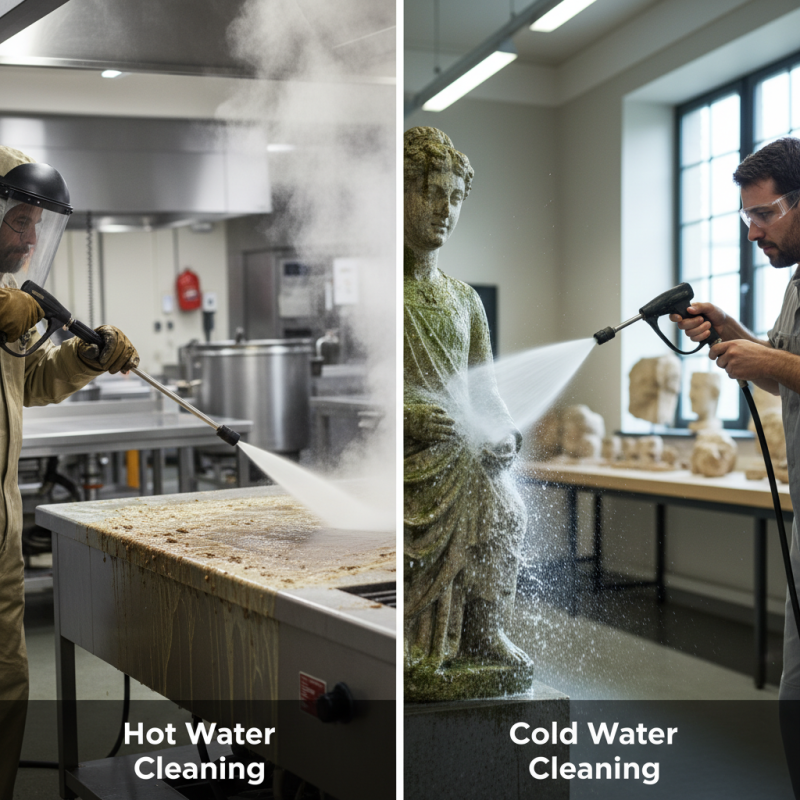
Hot water cleaning involves high temperatures to dissolve grime and grease. It also kills bacteria effectively. This method is often used in food service and hospitals. Cold water cleaning, on the other hand, is gentler. It uses lower temperatures and is suitable for delicate surfaces.
Choosing the right method can significantly impact results. For example, cold water may not remove some tough stains. Understanding these differences helps in selecting the best approach for specific needs. Each method has its strengths and weaknesses. It's crucial to assess the situation before deciding which cleaning method to use.
Understanding Hot Water Cleaning Methods
Hot water cleaning methods are widely used in various industries. They involve the use of heated water to remove dirt, grease, and other contaminants. The key advantage of hot water is its ability to dissolve oils and fats more effectively than cold water. This is crucial in industries like food processing and automotive repair, where cleanliness is vital.
The temperature of the water significantly influences cleaning efficiency. Generally, hot water can reach temperatures between 130°F and 200°F. However, it’s essential to balance effectiveness with safety; excessive heat can damage some surfaces. This method not only enhances cleaning power but also kills bacteria and pathogens, promoting a safer environment.
Despite its advantages, hot water cleaning has drawbacks. The energy required to heat the water can lead to increased costs. Moreover, some delicate materials may not withstand high temperatures. Therefore, assessing the cleaning task requires careful consideration of both the materials and the cleanliness standards needed. It's a continuous journey of adjustment and evaluation.
Understanding Cold Water Cleaning Methods
Cold water cleaning methods offer a unique approach to maintaining cleanliness without the use of heat. These methods utilize the natural cleaning properties of water at lower temperatures, providing an eco-friendly alternative. Cold water is effective at removing certain types of dirt and grime, especially when paired with the right detergents. It's also popular in residential settings, where energy costs can be a concern.
One notable benefit of cold water cleaning is its gentleness on surfaces. It reduces the risk of damage to delicate materials. For example, cold water is ideal for washing synthetic fabrics or painted surfaces. However, it may not be effective against heavy grease or tough stains. Users need to recognize these limitations. The effectiveness of cold water cleaning can also depend on the cleaning products used. Some detergents are specifically formulated to work better in cold conditions.
Despite its advantages, there are challenges associated with cold water cleaning. It may require more time and scrubbing to achieve satisfactory results. Users might find themselves re-evaluating their methods. In some cases, a combination of cold and hot water might be preferable. Understanding the right applications for cold water cleaning can enhance its effectiveness and promote more sustainable practices in everyday cleaning.
Comparative Analysis of Hot vs. Cold Water Efficacy
When comparing hot and cold water cleaning methods, efficacy varies significantly.
Hot water cleaning is effective in breaking down grease and oils. The heat helps dissolve stubborn residues, making it easier to clean surfaces.
For instance, kitchens often benefit from hot water when dealing with oily pots or pans.
However, hot temperatures can damage certain materials, such as delicate fabrics or electronics.
Cold water cleaning has its advantages too. It is often gentler on surfaces and fabrics. Cold water can effectively remove dust and light stains without the risk of damage.
Many people find cold cleaning methods more convenient, needing less energy for heating water.
However, stubborn, oily spots may remain. This could lead to the need for repeated cleaning or the use of additional chemicals.
Each method has its place in cleaning routines. Users must consider the specific task at hand.
Testing both methods on a small area first can provide guidance on effectiveness. Personal experiences may differ, revealing a need for reflection on usability.
Understanding the limitations and advantages of each method is crucial for achieving optimal results.
Factors Influencing the Choice of Cleaning Method
When choosing between hot and cold water cleaning methods, several factors come into play. Water temperature can significantly affect cleaning efficiency. Hot water is often preferred for its ability to dissolve grease and grime more effectively. According to industry studies, up to 80% of stubborn stains can be removed more efficiently with hot water cleaning. This advantage is particularly evident in sectors like food service, where sanitation is crucial.
However, cold water has its own merits. It is more energy-efficient, reducing overall operational costs by up to 30%. In situations where delicate surfaces are involved, cold water may be less abrasive and thus help prevent damage. An analysis found that using cold water is suitable for 40% of standard cleaning tasks without compromising cleanliness.
Environmental considerations are also paramount. The rising emphasis on sustainability pushes many businesses to favor cold methods. It helps lower carbon footprints. Yet, companies need to weigh the pros and cons. Hot water cleaning may cater to specific cleaning needs, but at a higher energy cost. A balance is essential for optimal cleaning outcomes while being mindful of both expenses and environmental impact.
Environmental Impacts of Hot and Cold Water Cleaning Techniques
Hot and cold water cleaning methods each have unique environmental impacts. Hot water cleaning often uses more energy. Heating water requires significant resources, usually fossil fuels. This contributes to greenhouse gas emissions, worsening climate change. Compared to cold water cleaning, the environmental footprint increases. However, hot water can effectively kill bacteria and remove stubborn stains.
Cold water cleaning has its advantages. It consumes less energy, leading to lower emissions. In some cases, it can be as effective as hot water. But, certain stains or pathogens may persist. This could lead to excessive detergent use, which harms aquatic ecosystems. Many cleaning agents are toxic and can seep into water sources.
The choice between these methods must be thoughtful. Consider the impact on energy consumption and water pollution. A balance is necessary to ensure effective cleaning while minimizing ecological damage. Exploring innovations in cleaning technology could bridge this gap. It's essential to rethink our cleaning practices for a sustainable future.
What is the Difference Between Hot and Cold Water Cleaning Methods? - Environmental Impacts of Hot and Cold Water Cleaning Techniques
| Cleaning Method |
Temperature Range |
Energy Consumption |
Effectiveness |
Environmental Impact |
| Hot Water Cleaning |
50°C - 80°C (122°F - 176°F) |
Higher (More energy needed) |
Highly effective for grease and heavy dirt |
Higher carbon footprint due to energy use |
| Cold Water Cleaning |
10°C - 25°C (50°F - 77°F) |
Lower (Less energy needed) |
Effective for light cleaning and dust |
Lower carbon footprint and energy savings |
| Steam Cleaning |
Above 100°C (212°F) |
Moderate to high (depends on system) |
Very effective for sanitizing and disinfecting |
Can reduce the use of harsh chemicals |
| Pressure Washing (Hot) |
Depending on the system, up to 80°C (176°F) |
High (requires power for heat and pressure) |
Highly effective for outdoor surfaces |
Increased energy use; consider water recovery |
| Pressure Washing (Cold) |
10°C - 25°C (50°F - 77°F) |
Lower (less energy used) |
Less effective on oily stains but often sufficient |
Lower environmental impact, less energy consumption |
FAQS
: Hot water cleaning methods use heated water to remove dirt and contaminants effectively.
Hot water dissolves oils and fats more effectively than cold water. It enhances cleaning power.
Hot water typically ranges from 130°F to 200°F. Balancing effectiveness and safety is important.
Hot water can be expensive to heat and may damage delicate materials. Careful assessment is necessary.
Cold water is gentler and energy-efficient, often suitable for light stains but may not tackle heavy grease.
Use hot water for stubborn grease and oils, especially in kitchens or industrial cleaning tasks.
Yes, testing both methods on a small area can help gauge their effectiveness for your specific task.
Water temperature significantly impacts cleaning. Hot water removes up to 80% of stubborn stains more efficiently.
Yes, hot water cleaning can increase energy consumption. Cold methods may reduce carbon footprints and costs.
Assess the surface type, stain level, energy costs, and environmental impact when selecting a cleaning method.
Conclusion
The article "What is the Difference Between Hot and Cold Water Cleaning Methods?" explores the fundamental aspects of both cleaning techniques. Hot water cleaning methods utilize heated water to effectively dissolve grease and grime, making them particularly suitable for heavy-duty cleaning tasks. In contrast, cold water cleaning methods are often more accessible and energy-efficient, suitable for lighter cleaning tasks where heat is not required.
A comparative analysis of the efficacy of hot versus cold water cleaning reveals that the choice often depends on the specific cleaning requirements and the nature of the contaminants involved. Factors influencing this choice include water temperature, energy consumption, and the environmental impact of each method. Ultimately, understanding what is the difference between hot and cold water cleaning can guide users to select the most appropriate technique for their needs while considering environmental sustainability.

 Dulles Equipment