Cleaning industrial surfaces is a critical task that ensures safety and efficiency. It raises the question, what is the best way to clean industrial surfaces? Businesses often struggle with choosing the right methods and tools. The approach can vary based on the type of surface and the level of contamination.
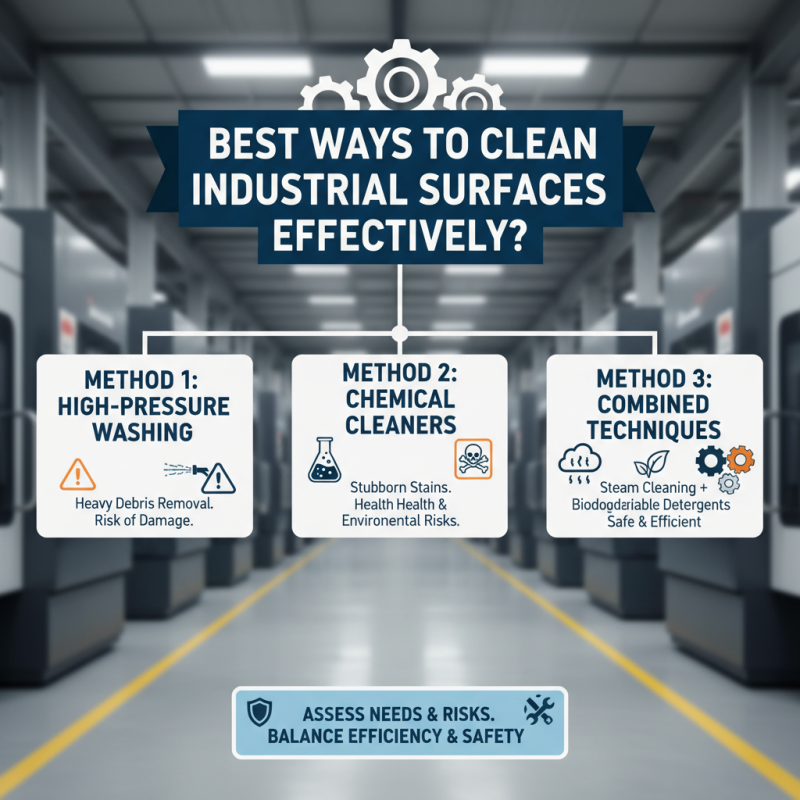
Using high-pressure washing may seem effective for heavy debris. However, it can damage delicate equipment. Chemical cleaners might remove stubborn stains but can pose health risks. Even experienced professionals sometimes face challenges in selecting appropriate solutions. This raises concerns about environmental impact and worker safety too.
Ultimately, finding the optimal cleaning method requires expertise and practical knowledge. Adopting a combination of techniques, like steam cleaning or biodegradable detergents, is crucial. Each facility must assess their unique needs and possible risks. Balancing efficiency with safety should be the priority.
Best Practices for Cleaning Industrial Surfaces: An Overview
Cleaning industrial surfaces is crucial for maintaining safety and efficiency. Various practices can enhance the cleaning process. Identifying the right cleaning method is essential. Different surfaces require different techniques and materials. For instance, metal surfaces might need specialized solvents, while concrete areas benefit from high-pressure washing.
Regular maintenance routines can help in preventing grime buildup. However, many facilities overlook these. A proper cleaning schedule can prevent costly repairs and accidents.
Training staff on effective cleaning procedures guarantees better adherence to safety standards. Using proper personal protective equipment is also vital.
Ultimately, having a reliable cleaning protocol is beneficial, yet challenges remain. Often, facilities may lack resources for extensive cleaning. This might lead to shortcuts in practices that could compromise safety. Acknowledging these gaps allows for continual improvement in cleaning methodologies. Regular assessments can guide better practices moving forward.
Understanding Different Types of Industrial Surfaces and Their Cleaning Needs
Understanding different types of industrial surfaces is crucial for effective cleaning. Each surface type has unique characteristics that affect its cleaning needs. For instance, metal surfaces may require degreasers to remove oils and grime. In contrast, concrete surfaces often absorb spills, necessitating specialized cleaners to break down stains.
In food processing areas, surfaces must meet strict hygiene standards. Non-porous materials are easier to clean, while porous materials may trap contaminants. Regular inspections can identify areas needing intense cleaning or repairs. Some surfaces might show signs of wear and tear over time, highlighting the importance of maintenance.
Workers need training to understand surface-specific cleaning methods. Mistakes can lead to damage or inadequate cleaning. It's vital to stay informed about new techniques and products. Continuous learning improves efficiency, ensuring surfaces remain safe and clean. With proper knowledge, the cleaning process can become more streamlined and effective.
Effective Cleaning Methods: Pressure Washing, Steam Cleaning, and Chemical Use
Cleaning industrial surfaces requires effective methods to ensure safety and compliance.
Pressure washing is a popular choice. This method uses high-pressure water jets to remove dirt, grime, and debris. The power of water can eradicate tough stains from concrete and metal surfaces. However, improper use may cause damage. It’s essential to adjust the pressure according to the material being cleaned.
Steam cleaning is another efficient technique. It utilizes hot vapor to dissolve contaminants. This method is environmentally friendly, as it often requires minimal chemicals. Steam cleaning is particularly effective for removing grease and oil. However, it may take longer for larger areas. Understanding the equipment and its limitations is crucial for success.
Chemical cleaning agents play a vital role, especially for stubborn stains. These agents vary in strength and application. It's important to choose the right chemical based on the surface type and the nature of the dirt. While chemicals can deliver superior results, misuse can lead to unintended damage. Always test on a small area before full application to assess compatibility. Consideration of safety precautions is essential. Proper ventilation and protective gear should not be overlooked.
Safety Precautions and Best Practices in Industrial Surface Cleaning
Cleaning industrial surfaces is critical for safety and efficiency. It’s important to choose the right cleaning methods. According to the National Safety Council, improper cleaning can lead to 25% of workplace accidents. Maintaining clean surfaces reduces slip hazards and lowers injury rates.
Prioritize safety precautions when cleaning. Workers must wear appropriate personal protective equipment (PPE), such as gloves and goggles. The American Industrial Hygiene Association recommends regular training on proper cleaning techniques. This reduces mistakes and improves overall safety. Materials used should be non-toxic and suitable for specific surfaces.
Regular audits of cleaning procedures can reveal gaps in safety practices. Implementing a feedback system encourages workers to report issues. Effective communication can improve cleaning effectiveness and safety compliance. Remember that not all cleaning methods are equal; some may not provide satisfactory results. Regularly reassess your strategies to ensure they meet industry standards.
Evaluating the Environmental Impact of Industrial Cleaning Agents and Techniques
When evaluating the environmental impact of industrial cleaning agents, it's crucial to consider their chemical composition. Many cleaning agents contain volatile organic compounds (VOCs) that can contribute to air pollution and respiratory problems. A recent study by the Environmental Protection Agency highlighted that over 40% of industrial cleaning products release harmful emissions.
Choosing eco-friendly cleaning solutions is essential for minimizing environmental harm. Biodegradable agents often break down more easily and pose less risk to aquatic systems. The World Health Organization reports that the manufacturing processes of conventional cleaners lead to significant waste and energy consumption. Switching to greener alternatives can enhance sustainability efforts.
Tip: Opt for cleaning agents with low VOC levels. Look for certifications like Green Seal to ensure compliance with environmental standards.
Another concern is the disposal of waste materials. Improper disposal can lead to soil and water contamination. The Clean Water Act mandates strict regulations on discharging harmful substances into waterways. Industries must prioritize safe disposal practices to mitigate these risks and protect public health.
Tip: Implement recycling programs for cleaning waste materials. Assessing the lifecycle of products can reveal hidden environmental costs.
FAQS
: Surface cleaning is crucial for safety and efficiency. It reduces slip hazards and lowers injury rates.
Workers should wear appropriate PPE, including gloves and goggles. This protects them from potential harm.
Regular training helps reduce mistakes. It enhances overall safety by teaching proper cleaning techniques.
Consider the chemical composition and toxicity. Non-toxic agents are better for health and safety.
VOCs contribute to air pollution and can cause respiratory problems. They are found in many cleaning products.
Eco-friendly solutions minimize environmental harm. They often break down more easily and reduce risks to aquatic systems.
Improper disposal can lead to contamination of soil and water. This poses significant public health risks.
Industries should prioritize safe disposal practices and implement recycling programs for cleaning waste materials.
Regular audits of cleaning procedures can identify gaps. A feedback system encourages reporting of issues.
Regular reassessment of strategies is needed. Not all methods are equally effective; some require improvement.
Conclusion
When considering what is the best way to clean industrial surfaces, it is essential to first understand the specific types of surfaces involved and their unique cleaning requirements. Industrial surfaces can vary greatly—from concrete and metal to machinery components—each requiring tailored methods for effective cleaning. Common techniques include pressure washing, steam cleaning, and the careful application of cleaning chemicals, which should be chosen based on the materials and grime being addressed.
Moreover, ensuring safety during the cleaning process is crucial. Adhering to best safety practices can help protect workers from potential hazards associated with cleaning agents and equipment. Additionally, evaluating the environmental impact of chosen cleaning agents and methods is increasingly important, promoting sustainable practices while maintaining cleanliness and safety in industrial settings. In summary, selecting the appropriate cleaning techniques and adhering to safety and environmental standards are key to achieving effective industrial surface cleaning.

 Dulles Equipment