In today's fast-paced world, maintaining cleanliness is crucial. Homes and businesses alike face persistent challenges from stubborn dirt and grime. High pressure cleaning has emerged as a popular solution due to its efficiency. According to the American Cleaning Institute, high-pressure systems can reduce cleaning time by up to 75%. This method is particularly effective in removing tough stains and allergens, which can accumulate over time.
Understanding how to remove stubborn dirt using high-pressure cleaning requires knowledge and technique. Many users often underestimate the power of pressure settings and nozzle types. Incorrect usage can damage surfaces or create hazardous situations. A 2020 report by the Pressure Washing Resource Association noted that improper pressure washing accounted for 30% of damage claims in the industry. This emphasizes the need for training and careful execution in high-pressure cleaning.
Moreover, the environmental impact of pressure cleaning is also worth considering. Professionals often recommend using eco-friendly detergents alongside high-pressure equipment. Balancing effectiveness with safety and sustainability is essential. Failing to do so can lead to unintended consequences, reflecting a critical area for improvement. Therefore, knowing how to effectively harness high-pressure cleaning can make a significant difference in achieving desired results.
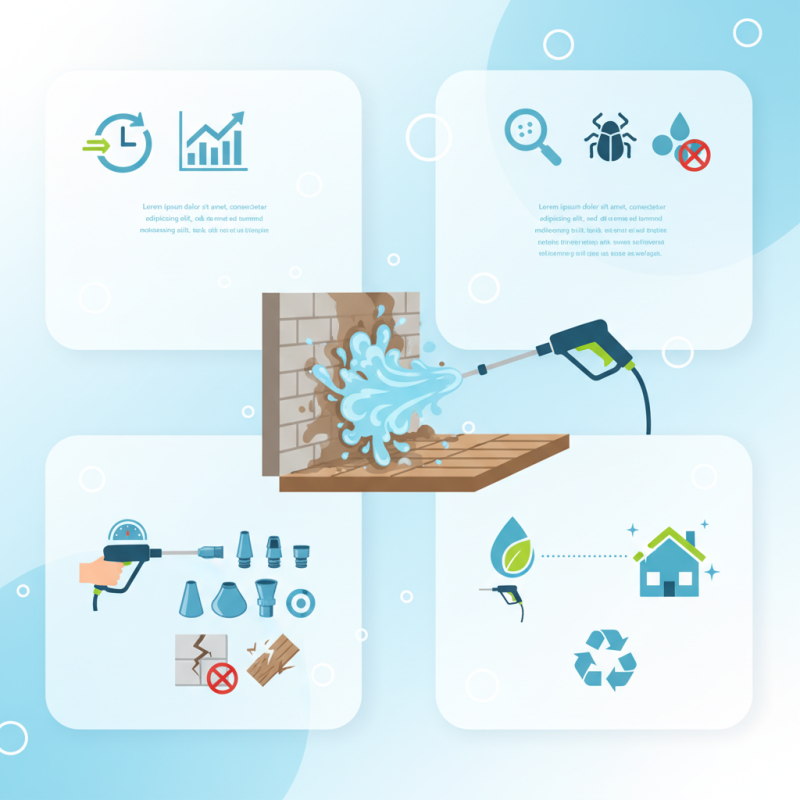
High pressure cleaning is an effective method for tackling stubborn dirt. It uses powerful jets of water to blast away grime from various surfaces. The technique is rooted in physics. The pressure increases the water's kinetic energy, making it capable of dislodging tough stains. Professionals often utilize this technique for both residential and commercial cleaning.
One major benefit of high pressure cleaning is its ability to restore surfaces. Decks, patios, and driveways can look new again. However, it's essential to recognize that this method isn't flawless. Inexperienced users may damage delicate surfaces if they're not careful. Sometimes, leftover residue can remain in the corners, requiring additional cleanup.
Understanding the principles behind high pressure cleaning can enhance its effectiveness. Having the right equipment is crucial. Users should also be mindful of their techniques. It's not just about the pressure; angles and distance matter too. A thoughtful approach can lead to stunning results.
Choosing the right equipment for high-pressure cleaning can significantly impact your results. Experts recommend using machines that provide a pressure rating between 2,000 to 3,500 PSI for most residential tasks. A study by the Power Washers of North America found that consumers often underestimate the importance of flow rate. A higher GPM (gallons per minute) enhances cleaning efficiency, crucial for stubborn dirt removal.
When selecting equipment, consider the surface type you'll be cleaning. Soft surfaces, like wood, require lower pressure settings to avoid damage. Meanwhile, concrete and brick can generally withstand higher pressures. Industry reports suggest that many users make the mistake of using a single machine for all tasks. This approach can lead to inefficiencies. The machinery designed for specific surfaces promotes better cleaning outcomes.
Additionally, pay attention to nozzle selection. Different nozzles adjust the spray pattern and impact. Using the wrong nozzle can result in inadequate cleaning. Adjusting pressure settings based on the task can improve results but requires careful judgment. Many users overlook maintenance, which is critical for operational efficiency. Regular checks on hoses, connections, and filters help maintain longevity, ensuring effective cleaning every time.
High-pressure cleaning can effectively tackle stubborn dirt and grime. This method utilizes pressurized water jets to remove buildup quickly and efficiently. According to the Cleaning Industry Research Institute (CIRI), high-pressure cleaning can achieve up to 90% dirt removal on various surfaces when used correctly. Applying the right techniques is essential for maximizing effectiveness.
Targeting stubborn grime requires knowledge of surface materials and dirt types. For instance, concrete surfaces absorb grime more than wood. It's important to adjust pressure settings to avoid damage. A recent study by the American Cleaning Institute (ACI) revealed that using varying angles can enhance dirt removal by 25%. Additionally, dirty surfaces should be pre-treated with water to soften grime before using high pressure. This approach can significantly improve results while reducing the time and effort required.
Improper technique can lead to inefficiency. Users may apply too much pressure, causing damage, or too little, resulting in poor dirt removal. It's crucial to experiment with different techniques, including varying distances and nozzle sizes. Reflecting on these practices can lead to significant improvements. As you refine your approach, observing the results will help in mastering high-pressure cleaning effectively.
When using high pressure cleaners, safety must be a top priority. Ensure you wear appropriate protective gear. Safety goggles protect your eyes from debris. Ear protection shields against loud noises. Sturdy gloves prevent injuries from high pressure water. Heavy-duty footwear can protect your feet.
Before starting, check your equipment for leaks or damages. Inspect hoses and nozzles thoroughly. Secure loose clothing and avoid wearing jewelry that could get caught. Always be aware of your surroundings. Keep children and pets at a safe distance. High pressure water can cause serious injuries.
Using the right technique is crucial. Start with a low pressure setting on delicate surfaces. Gradually increase it as needed. Remember, standing too close can cause damage or kickback. Keep the nozzle at an angle for better control. Occasionally take breaks to assess your work. It’s easy to overlook small areas, which can lead to uneven cleaning. Always reflect on your approach, and adapt if necessary.
High pressure cleaning can significantly enhance your outdoor spaces. However, maintaining your equipment is crucial for effective performance. Regular maintenance can save you money and time in the long run. Always clean the nozzle after each use to prevent clogs.
Clogged nozzles can lead to uneven pressure and ineffective cleaning. A quick rinse can make a big difference.
Inspect hoses for wear and tear. Frayed or cracked hoses can lead to leaks and reduced efficiency. Store your equipment in a dry place, away from harsh weather conditions. This simple step can prolong the lifespan of your machine. Additionally, check the oil levels and replace filters periodically. Neglecting these small tasks can result in costly repairs.
Sometimes, despite your best efforts, things go wrong. You might encounter an unexpected issue during a cleaning session. This is an opportunity to reflect on your maintenance routine. Are you doing enough? If you're unsure, consulting a professional can provide insights.
Regular check-ups can help avoid major problems. Staying proactive is key to enjoying the benefits of high pressure cleaning.
: High pressure cleaning uses powerful water jets to remove stubborn dirt from various surfaces.
Decks, patios, and driveways can look new again with high pressure cleaning.
Inexperienced users may damage delicate surfaces or leave residue behind after cleaning.
Look for machines with a pressure rating between 2,000 to 3,500 PSI for most residential tasks.
A higher gallons per minute (GPM) improves cleaning efficiency, especially for stubborn dirt.
Soft surfaces like wood need lower pressure; concrete can withstand higher pressure.
Wear safety goggles, ear protection, gloves, and sturdy footwear to prevent injuries.
Inspect hoses and nozzles for leaks or damages to ensure safety and functionality.
Start with low pressure on delicate surfaces and gradually increase it while adjusting angles.
Regular checks on hoses and filters ensure the machine runs efficiently and lasts longer.
High pressure cleaning is an effective method for removing stubborn dirt and grime from various surfaces. Understanding its principles and benefits is crucial for maximizing efficiency. When learning how to remove stubborn dirt using high pressure cleaning, it is essential to choose the right equipment based on the specific task at hand. By employing proper techniques, users can effectively target tough stains while ensuring safety through careful precautionary measures.
Additionally, maintaining high pressure cleaning equipment is vital for ensuring longevity and consistent performance. Regular upkeep not only prolongs the life of the equipment but also enhances its cleaning capabilities. By following these guidelines, individuals can efficiently tackle dirt and grime, keeping their surroundings clean and well-maintained.

Dulles Equipment