Cleaning systems play a pivotal role in maintaining hygiene and safety in various environments. However, managing these systems safely requires thorough understanding and caution. Many operators may overlook critical aspects of safety, leading to potential hazards. This raises the question: how to ensure safe operation of cleaning systems?
Safety protocols must be established to protect both users and facilities. Regular training and clear instructions are essential. Equip your team with knowledge on using products correctly and maintaining equipment. Operators should be aware of potential risks, including chemical reactions and equipment malfunctions.
Reflecting on past incidents can reveal systemic vulnerabilities. Learn from these experiences to improve procedures. Continuous evaluation of cleaning processes is crucial. Audits and feedback can help identify weaknesses and areas for improvement. Building a culture of safety not only protects staff but enhances overall operational effectiveness.
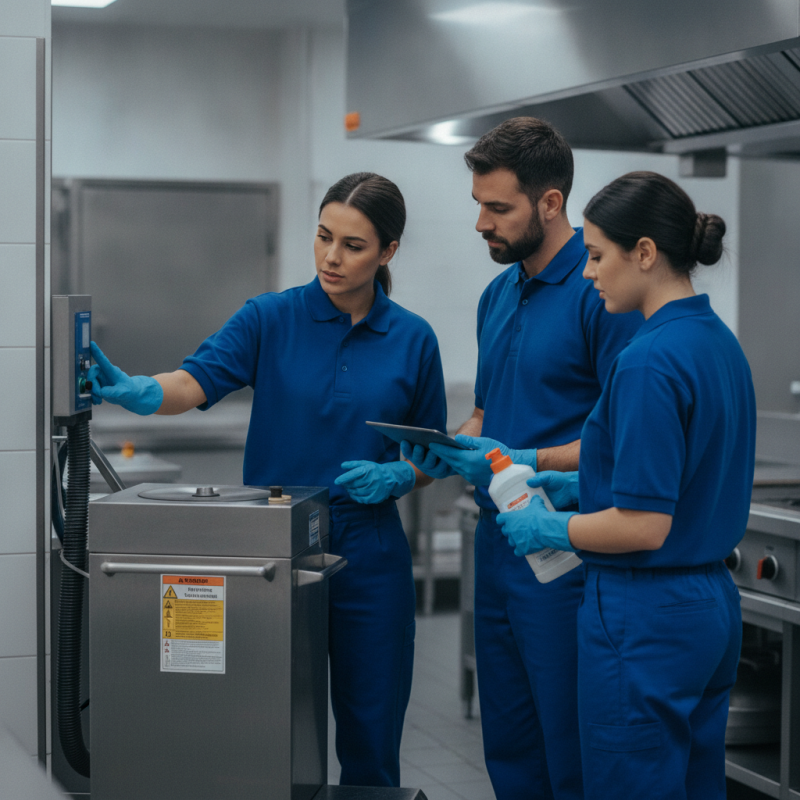
Cleaning systems play a crucial role in maintaining hygiene and safety in various environments. However, they come with operational risks that should not be overlooked. Understanding these risks is essential for effective usage. For instance, improper handling of cleaning agents can lead to harmful reactions. Regular training for staff on safe handling procedures is vital.
Poor maintenance of cleaning machinery can pose significant hazards. Equipment should be routinely inspected to prevent malfunctions. This reduces the risk of accidents. Operators need to be aware of potential mechanical failures. It's important to document these inspections to ensure accountability and compliance.
Furthermore, the environment where cleaning systems operate can affect their efficiency. Factors like moisture, temperature, and surface conditions can influence effectiveness. Awareness of these variables helps in making informed decisions. A proactive approach contributes to a safer working area. Evaluating the operational risks regularly enhances safety measures for all involved.
Establishing safety protocols for cleaning system operation is crucial. A recent industry report indicates that approximately 30% of cleaning-related incidents arise from inadequate training. To mitigate risks, organizations must prioritize comprehensive training programs. These programs should cover equipment usage and emergency response protocols. Providing hands-on experience can significantly enhance employees' confidence and competence.
Standard Operating Procedures (SOPs) must be clearly defined. They should include daily checklists for equipment maintenance and safety inspections. Research shows that adherence to SOPs can reduce accidents by up to 25%. Regular audits can help identify gaps and areas for improvement. Companies often overlook the importance of feedback. Encouraging employees to report issues can reveal hidden hazards.
Personal Protective Equipment (PPE) is a non-negotiable aspect of safety. Yet, compliance remains a challenge, with surveys indicating that only 70% of workers wear PPE consistently. Organizations must foster a culture of safety where wearing PPE is the norm. Regular reminders and visible signage can reinforce this behavior. Investing in safety equipment and protocols is not just a regulatory requirement; it’s a commitment to employee well-being.
Training employees on the safe handling of cleaning equipment is crucial for any organization. Proper training ensures that workers understand the risks associated with different cleaning agents and tools. For instance, staff should be aware of how to use machines like floor scrubbers correctly. A simple error can lead to accidents or equipment damage.
Effective training should be hands-on. Employees benefit from practical demonstrations, allowing them to practice under supervision. This approach helps them ask questions and clarify doubts. However, training programs can lack consistency. Sometimes, new hires may miss out on critical safety instructions due to scheduling issues.
Regular refresher courses can address this gap. They remind employees about safety protocols and updates in cleaning techniques. Engaging training sessions can enhance knowledge retention. Yet, some employees may still overlook safety steps out of complacency. It's essential to create an environment where workers feel comfortable discussing their challenges. This open dialogue fosters a culture of safety that can prevent incidents.
Regular maintenance and inspection of cleaning systems are essential for ensuring safe operation. Neglecting these practices can lead to malfunctions and safety hazards. Regular checks can identify wear and tear before they escalate into serious issues. This proactive approach can save time and costs in the long run.
Tips for effective maintenance:
Setting a routine inspection schedule is crucial. Ensure all components are checked at determined intervals. Look for signs of damage or excessive wear. Often, even a small issue can indicate a larger problem. Don’t overlook minor irregularities; they can lead to significant failures down the line.
Another important aspect is training staff on maintenance protocols. They should know how to operate cleaning systems safely. Investing in training helps ensure that everyone understands the importance of upkeep. Providing detailed manuals can be beneficial. Encourage your team to report any unusual sounds or performance issues immediately. Prompt action can prevent more significant disruptions.
Cleaning systems are essential in various industries, but failures can happen. When a cleaning system malfunctions, immediate action is critical. A structured emergency response can minimize damage and ensure safety. Clear protocols help the team to respond swiftly and effectively. Personnel should be trained regularly on these procedures to reinforce safety measures.
Understanding the system’s potential failures is vital. Maintenance logs and inspection records provide insight into common issues. Regular drills can help staff react confidently during a crisis. Quick communication is key; everyone must know who to contact in an emergency. Access to safety data sheets ensures the team tackles chemicals safely.
There's always room for improvement. Evaluate past incidents for lessons learned. Reflecting on the effectiveness of response measures can reveal gaps. Continuous training and updates to procedures can enhance safety. A proactive approach can significantly reduce the risk of future failures. This commitment to safety is crucial for effective cleaning system operation.
: Training helps staff handle equipment safely. It reduces the chance of accidents and injuries.
Improper handling can cause harmful reactions. This can lead to health hazards and unsafe environments.
Equipment should be inspected regularly. Routine checks help prevent malfunctions and ensure safety.
SOPs should include maintenance checklists and safety inspection protocols. Clearly defined procedures enhance operational safety.
Organizations must create a safety culture. Regular reminders and visible signage can encourage consistent PPE usage.
Poor maintenance can lead to equipment failure. This increases the risk of accidents and operational inefficiencies.
Documentation ensures accountability and compliance. It helps track system performance and identify recurring issues.
Factors like moisture and temperature influence effectiveness. Awareness of these variables helps in decision-making.
They should report any unusual sounds or issues immediately. Prompt action can prevent bigger problems later.
Employee feedback can reveal hidden hazards. Regular input highlights areas for improvement in safety measures.
To ensure safe operation of cleaning systems effectively, it is crucial to understand the various types of cleaning systems and their inherent operational risks. By establishing clear safety protocols, organizations can mitigate these risks and create a safer working environment. Training employees on the proper handling of cleaning equipment is also vital, as it equips them with the knowledge needed to operate systems safely and efficiently.
Regular maintenance and inspection of cleaning systems play a significant role in preventing potential failures. Furthermore, implementing emergency response procedures prepares staff to act swiftly in the event of any incidents, ensuring that they can handle emergencies while minimizing risks. By addressing these key areas, businesses can develop a comprehensive strategy on how to ensure safe operation of cleaning systems and protect both their employees and assets.

Dulles Equipment