Cleaning systems used in factories, hotels, hospitals, and workshops can save time and improve hygiene. They also introduce practical risks. A floor scrubber may leave a wet trail, a pressure washer can send debris into the air, and an industrial vacuum may overheat when its filter is blocked. Safe operation depends on the equipment, the work area, and the people using it. Small details matter.
This guide explains how to ensure safe operation of cleaning systems through clear checks and consistent routines. It covers choosing suitable equipment, reviewing manufacturer instructions, inspecting cables, hoses, guards, filters, and emergency stops, and keeping chemicals correctly labeled and stored. Operators should understand start-up and shutdown steps, wear task-appropriate protective equipment, and know what to do if a machine leaks, vibrates unusually, or loses suction. Good training is practical: show the controls, demonstrate a safe route, and let staff ask questions before work begins.
A checklist helps. But it is not enough.
Supervisors can support safer work by scheduling maintenance, recording defects, and keeping walkways clear of cords and wet floors. Ventilation, noise, electrical supply, and nearby people also deserve attention. Requirements vary by location and application, so confirm relevant workplace guidance and consult the equipment supplier when instructions are unclear. Even experienced teams can overlook a damaged plug or a full recovery tank during a busy shift. That is worth reflecting on. Reliable safety comes from noticing these ordinary warning signs before they become incidents.
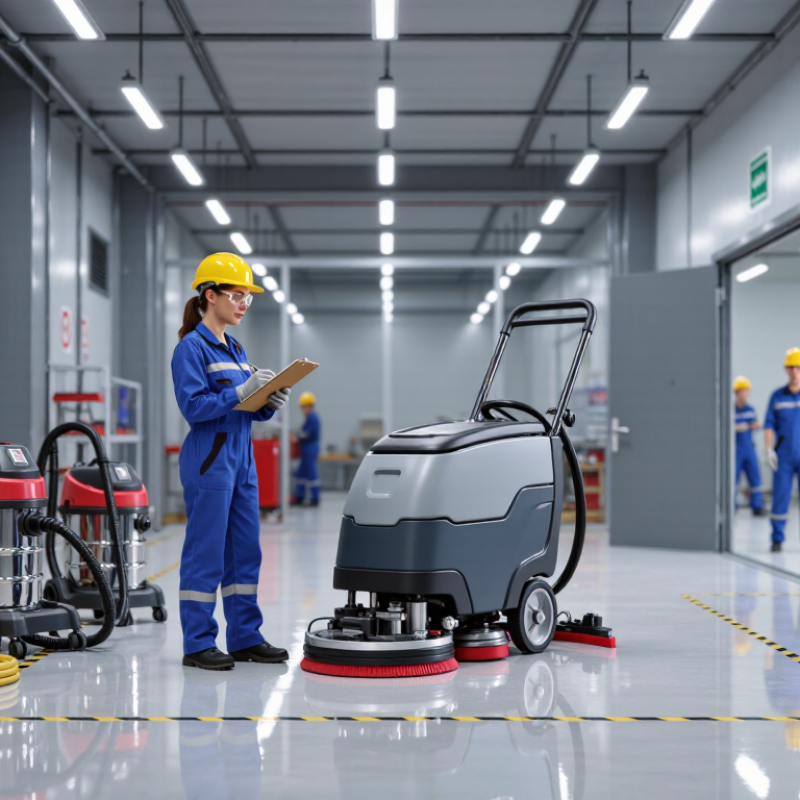
A cleaning system is more than a machine and a detergent. It includes the operator, floor conditions, electrical supply, chemical handling, and the steps used before and after cleaning. An automatic scrubber can leave a thin film of water around a corner; a trailing cable can cross a busy walkway. These details are easy to overlook. They are often where routine work becomes hazardous.
The U.S. Bureau of Labor Statistics recorded 865 fatal work injuries from falls, slips, and trips in 2022. This figure covers all industries, not cleaning work alone, but it shows why wet-floor controls deserve attention. Chemical risks also depend on the product, concentration, ventilation, and contact time. Read the safety data sheet, label containers clearly, and never combine products unless the instructions specifically allow it. Check guards, cables, hoses, and emergency stops before powered equipment is used. Small checks matter. They can feel repetitive, and teams may skip them when schedules tighten; that is a weakness worth addressing. A short pre-shift inspection and clear warning signs can reduce preventable exposure, but neither replaces proper training or supervision.
Assessing the Work Area Before Operating the Equipment
Before starting a cleaning system, walk the route it will actually travel. Look for loose mats, curled floor edges, hoses, cables, pooled water, and blind corners. A machine can turn a small obstruction into a sudden stop or a slip hazard. The U.S. Bureau of Labor Statistics reported 450,540 workplace cases involving falls, slips, or trips in its 2022 Survey of Occupational Injuries and Illnesses. That figure covers many industries, but it shows why floor conditions deserve more than a quick glance. Check nearby people, exit paths, lighting, floor strength, and whether warning signs are visible from each approach. Clear or isolate hazards before powering up. Small details matter.
Then inspect the specific room conditions. Confirm ventilation is adequate for the cleaning agent, read its safety data sheet, and keep incompatible products apart. Check that drains, thresholds, and wet-floor boundaries will not trap wheels or expose passersby. NIOSH’s Hierarchy of Controls favors removing hazards over relying only on warnings or personal protective equipment. Where practical, clear the route rather than expecting everyone to avoid it. Record defects and report uncertain electrical or structural conditions instead of testing them with a running machine. A checklist helps, but it is not magic. Pause if the space has changed since inspection: a delivery, a leaking pipe, or a moved cable can undo a careful walk-through.
| Work Area Check | What to Assess | Safe Condition Before Operation | Action if Unsafe | Status |
|---|---|---|---|---|
| Pedestrian and vehicle traffic | People, forklifts, carts, doorways, and blind corners near the cleaning route. | The route is clear, and pedestrians can be kept away from the equipment’s operating area. | Pause work, use barriers or warning signs where appropriate, and coordinate with nearby workers. | Check before starting |
| Floor condition | Loose debris, cords, uneven surfaces, spills, holes, and changes in floor level. | The route is free of obstacles that could cause a trip, slip, loss of control, or equipment damage. | Remove debris, secure or reroute cords, mark hazards, and report defects that cannot be corrected promptly. | Check before starting |
| Wet-floor risk | Existing moisture, drainage, nearby work, and the possibility of leaving a wet surface behind. | Warning signs and access controls are ready when the cleaning process could leave the floor slippery. | Control access, display suitable warning signs, and allow the floor to dry before reopening the area. | Check before starting |
| Electrical hazards | Power outlets, cables, damaged insulation, standing water, and the equipment’s electrical requirements. | Electrical connections and equipment are suitable for the environment and show no visible damage. | Keep equipment away from water where required, do not use damaged cables, and report electrical defects. | Check before starting |
| Ventilation and air quality | Enclosed spaces, airflow, dust, vapors, and any restrictions stated for the cleaning product or equipment. | Ventilation is adequate for the task and follows the equipment instructions and product safety information. | Improve ventilation or stop the task if safe conditions cannot be maintained; follow the product safety data sheet. | Check before starting |
| Chemicals and stored materials | Product labels, containers, nearby incompatible materials, and the risk of spills or splashes. | Only identified products intended for the task are present, correctly stored, and used as directed. | Do not mix unknown products. Isolate spills and follow the product label and safety data sheet for response. | Check before starting |
| Lighting and visibility | Shadows, poorly lit corners, reflective surfaces, and visibility along the planned route. | The operator can see the work surface, obstacles, signs, and people in the operating area. | Arrange additional lighting or select a safer route; do not operate where hazards cannot be seen clearly. | Check before starting |
| Access, exits, and emergency equipment | Emergency exits, fire equipment, first-aid supplies, and access routes for other workers. | Exits and emergency equipment remain accessible and are not obstructed by the cleaning setup. | Move equipment, supplies, or barriers so that exit routes and emergency equipment remain accessible. | Check before starting |
| Nearby machinery and work activities | Moving machinery, hot surfaces, overhead work, and simultaneous tasks in or near the cleaning area. | Potential interactions are controlled, and the cleaning route does not expose the operator to other hazards. | Coordinate with the responsible personnel, establish separation, or postpone cleaning until the area is safe. | Check before starting |
| Equipment access and maneuvering space | Door widths, ramps, slopes, tight turns, overhead clearance, and room to stop or turn safely. | The equipment can move and be controlled within its stated operating limits and the available space. | Choose a suitable route or method; do not operate on slopes or surfaces outside the equipment instructions. | Check before starting |
Use this checklist alongside the equipment operating instructions, site procedures, and applicable product safety information. Stop work and report any hazard that cannot be controlled.
Before operating a cleaning system, inspect the floor around it. Remove loose cables, pooled water, and tools that could cause trips. Check the power cord, plug, hoses, and connectors for cuts, cracks, or loose fittings. Look for leaks beneath tanks and around joints. Small details matter.
Confirm that guards and covers are securely fitted, and that wheels or locking brakes are stable. Read the operating instructions for the specific system, especially its start-up and shutdown steps. Make sure the operator knows where the emergency stop is. Keep the work area ventilated, and use only cleaning solutions approved for the equipment. Never mix products.
Preparation should include a brief test in a clear area. Start at low pressure or speed, if the system allows it, and watch for unusual vibration, noise, or spray. Stop immediately if a hose shifts or a warning light appears. Even a careful inspection can miss a worn seal; that is easy to underestimate. Record defects and keep the system out of service until a qualified technician checks it. After the test, verify that controls respond normally before beginning routine work.
Safe operation begins before water or detergent reaches the floor. Read the equipment instructions and confirm that each operator understands the controls. Inspect the cord, plug, hoses, wheels, guards, and emergency stop for visible damage. Keep hands dry when connecting equipment, and route cables away from wet walkways. Small checks matter.
Select a cleaning solution approved for the surface and equipment. Follow its label for dilution and protective gear; never mix products unless instructions explicitly permit it. Wear suitable gloves, eye protection, and slip-resistant footwear. Mark wet areas clearly, and keep bystanders away from moving parts. A checklist may feel repetitive, but even experienced crews can overlook a loose hose when work is rushed.
Stop the machine before clearing a blockage or adjusting a brush. Isolate its power as directed in the manual, and never bypass a guard or safety switch. If the unit vibrates unusually, leaks, or smells hot, stop and report the issue rather than pushing through. After cleaning, switch off and store the machine as instructed. Procedures are easy to remember until a shift gets busy; that is exactly when they need to be followed.
Safe cleaning systems depend on steady maintenance, not occasional repairs. Before each shift, inspect power cables, wheels, guards, hoses, and collection tanks. Look for fraying, loose fittings, cracks, or unusual leaks. Small faults matter. Clear blocked filters and brush heads according to the equipment manual, and let hot components cool before handling them. Keep service records with dates, observed defects, and completed work; these notes help reveal recurring problems. In practice, busy teams sometimes skip a check when the floor looks urgent. That shortcut is understandable, but it can leave a defect unnoticed.
When equipment behaves unusually, stop it and use the designated shutoff. If it is safe, disconnect power without touching damaged wiring. Keep people away from wet floors, moving parts, or leaking cleaning solution, and follow the site’s emergency procedure. Do not restart a machine just because it seems normal again. A trained person should inspect it first. If someone is injured or exposed to a substance, contact the site’s emergency responder and consult the product safety information. Practice drills help staff remember who calls for help and where supplies are stored. The first response can feel messy; that is a reason to review it, not to hide gaps.
Walk the machine’s route and look for loose mats, curled floor edges, cables, hoses, and pooled water. Check blind corners, lighting, nearby people, and exit paths. Small details matter.
Remove or isolate hazards before powering up. Check that warning signs are visible from each approach, and pause if a delivery or leak changes the area.
Confirm ventilation suits the cleaning solution. Check drains, thresholds, wet-floor boundaries, and floor strength. Read the product safety information, and keep incompatible products apart.
Check cords, plugs, hoses, connectors, guards, covers, wheels, and brakes. Look for cracks, loose fittings, fraying, and leaks beneath tanks. A quick glance can miss a worn seal.
Test it in a clear area, using low speed or pressure when available. Watch for unusual noise, vibration, or spray. Stop if a hose shifts or a warning light appears.
Stop the system using its designated shutoff. If safe, disconnect power without touching damaged wiring. Keep people away, and do not restart it until a trained person inspects it.
Inspect cables, wheels, guards, hoses, tanks, filters, and brush heads before each shift. Follow the equipment manual, let hot parts cool, and record defects and repairs.
Follow the site emergency procedure and contact the designated responder. Consult the product safety information. Practice drills help staff remember who calls and where supplies are stored.
Safe operation begins with understanding how a cleaning system works, including its moving parts, power sources, and potential hazards such as electrical exposure, hot surfaces, pressure, noise, or cleaning chemicals. Before starting, assess the work area: clear obstacles, provide adequate ventilation and lighting, keep bystanders at a safe distance, and check that floors and access routes are suitable. Review the equipment instructions and select protective gear appropriate to the task.
To understand how to ensure safe operation of cleaning systems, inspect the machine before each use. Check cables, hoses, guards, connections, and safety controls, and confirm that the system is clean, correctly assembled, and suited to the surface and cleaning method. Follow the prescribed start-up, operating, and shutdown steps, never bypassing safeguards or leaving running equipment unattended. After use, clean and store the system properly, report faults, and arrange routine maintenance. If a leak, malfunction, or injury occurs, stop the equipment when safe, keep others clear, and follow the site’s emergency procedures.

Dulles Equipment