Effective pipe cleaning is a critical task for maintaining plumbing systems. However, many people overlook the significance of proper tools. Understanding what tools are needed for pipe cleaning can save time and prevent damage.
The right tools ensure thorough cleaning and can tackle various challenges. For instance, using a drain snake helps remove clogs effectively. A hydro jet also plays a vital role, using high-pressure water to clear stubborn blockages. Quality tools improve the overall efficiency of the cleaning process.
Yet, it’s essential to recognize that not all tools work for every situation. Some methods may damage pipes if misused. Therefore, understanding each tool's capabilities and limitations is vital for successful cleaning. Investing in and learning to use these tools can make a significant difference in plumbing maintenance.
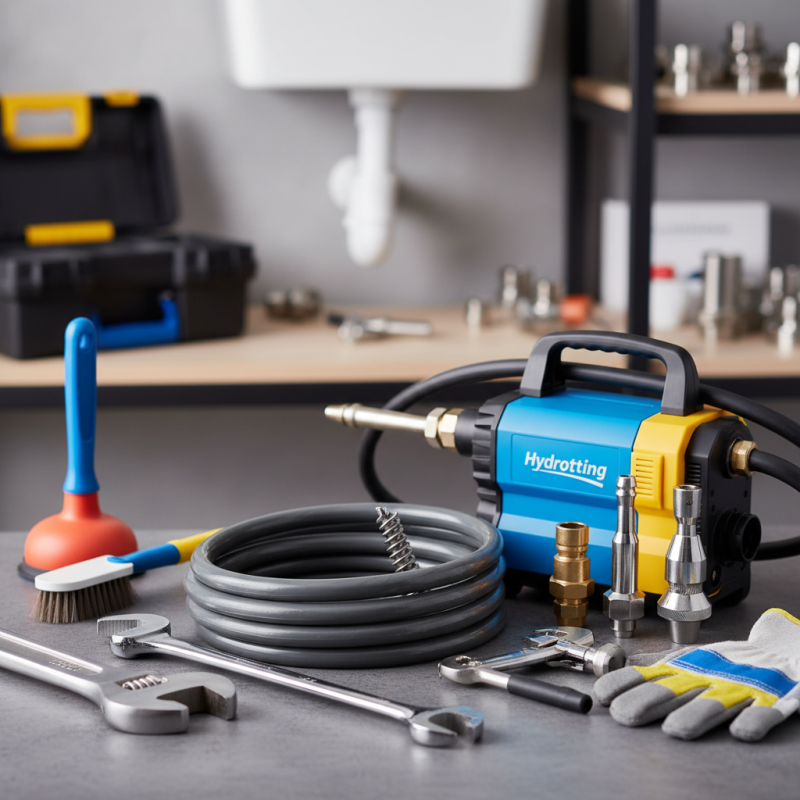
Essential Pipe Cleaning Tools and Their Functions
Cleaning pipes effectively requires the right tools. High-pressure water jetters are crucial. They can clear blockages with powerful streams of water. According to industry reports, over 90% of professionals rely on them for tough clogs. This tool uses various nozzle tips to adapt to different pipe sizes and materials. They are efficient in both residential and commercial settings.
Snakes and augers are also essential. These tools are versatile and can reach deep into pipes. They come in manual and motorized versions. It’s reported that nearly 75% of plumbers utilize these tools for regular maintenance. They can dislodge debris effectively but may not work for all blockages. Some operators miss the need for a thorough inspection before using these tools.
Chemical cleaners, while sometimes controversial, have their place. They can dissolve buildup in pipes quickly. However, many professionals warn against overusing them. They may cause corrosion or damage pipes over time. A careful balance is necessary when choosing to use chemicals. Each tool serves its function well, but understanding their strengths and weaknesses is vital.
Essential Pipe Cleaning Tools and Their Functions
Types of Pipe Cleaners: Choosing the Right One
When it comes to maintaining your plumbing, choosing the right pipe cleaner is essential. There are various types available, each suited for specific tasks. For light clogs, a simple manual auger can work wonders. It is easy to handle and requires no electricity. Just insert it into the pipe, and with a few twists, the stubborn blockage may clear.
For more challenging blockages, a drain snake can be a powerful ally. These tools are flexible and can navigate bends in the pipes. However, using them requires some skill. Improper handling may risk damaging the pipes. It’s crucial to ensure that you apply the right amount of pressure. Overdoing it can lead to bigger problems.
Chemical cleaners are another popular option, but these should be used with caution. They can effectively dissolve grease and grime but also pose risks to pipe integrity if used excessively. Always read instructions carefully and consider professional advice if unsure. Each cleaning method has its pros and cons, and the most effective one often depends on the nature of the clog. It’s important to assess the situation first before proceeding.
Safety Equipment for Pipe Cleaning Procedures
When engaging in pipe cleaning procedures, safety should be a top priority. Workers are often exposed to hazardous substances and high-pressure equipment. According to the Occupational Safety and Health Administration (OSHA), around 2.8 million work-related injuries occur annually. Safety equipment significantly reduces these risks.
Personal protective equipment (PPE) is crucial. This includes gloves, goggles, and respiratory masks. A recent report from the National Institute for Occupational Safety and Health (NIOSH) indicates that PPE can lower exposure to harmful agents by up to 90%. In pipe cleaning, the right PPE also helps to prevent cuts and chemical burns, ensuring that maintenance personnel can perform their tasks without unnecessary risk.
Beyond PPE, using containment systems is essential. These systems prevent spills that could lead to contamination. The American Society of Mechanical Engineers (ASME) emphasizes that proper containment can cut cleanup time in half. However, many workplaces fall short in implementing these measures. Identifying and addressing these gaps is crucial for improving overall safety in pipe cleaning operations.
Techniques for Effective Pipe Cleaning
Effective pipe cleaning techniques are crucial for maintaining industrial systems. Regular maintenance not only enhances performance but also extends the lifespan of pipelines. According to a National Association of Corrosion Engineers report, poor pipe condition can lead to operational inefficiencies, costing industries billions annually.
One effective technique is hydro jetting, which uses high-pressure water jets to clear blockages. This method effectively removes debris, grease, and mineral build-up. A study by the American Society of Mechanical Engineers found that hydro jetting improves flow rates by up to 50% in some systems. However, pressure levels must be monitored to prevent pipe damage. Operators must be trained to identify appropriate pressure settings.
Another essential technique is chemical cleaning. This involves using specific chemicals to dissolve build-up effectively. While chemical cleaning can be highly effective, it requires careful planning. Improper use may lead to pipe deterioration or environmental hazards. Regular monitoring of pipe conditions before and after treatment is vital. This approach not only ensures safety but also validates the effectiveness of cleaning methods. Both techniques can be beneficial with proper application and consideration of individual circumstances.
Maintenance and Care for Pipe Cleaning Tools
Proper maintenance and care for pipe cleaning tools can significantly enhance their effectiveness. Regular inspections are crucial. Checking for wear and tear extends the lifespan of these tools. According to a report by the National Association of Clean Water Agencies, proper maintenance can reduce tool failure rates by up to 30%. Ensuring that equipment is clean and operational prevents unexpected breakdowns during critical cleaning tasks.
Cleaning tools like drain snakes and jetters require specific care protocols. For instance, after each use, drain snakes should be thoroughly washed to remove debris. Failure to do so can lead to clogged mechanisms. Similarly, jetters need their hoses and nozzles inspected for damage. Research indicates that tools, when maintained properly, can perform up to 50% more efficiently. However, many operators neglect these essential practices. Commitment to a routine maintenance schedule is necessary.
Despite understanding the importance of tool care, many professionals sometimes overlook minor details. For instance, lubricating moving parts is often ignored. This oversight can impact performance severely. Planning regular training sessions on tool maintenance encourages awareness. Maintaining these tools is not just a task; it’s a critical part of ensuring successful pipe cleaning outcomes.
FAQS
: They are essential for clearing blockages with powerful water streams in pipes.
These tools reach deep into pipes and dislodge debris effectively, but require skill.
They can dissolve buildup but may cause pipe corrosion if overused.
A manual auger is effective and easy to handle without requiring electricity.
Gloves, goggles, and respiratory masks protect workers from hazards and injuries.
They prevent spills and can significantly reduce cleanup time, enhancing safety measures.
Improper use can damage pipes, so it's vital to apply the right pressure.
PPE reduces exposure to harmful substances and prevents cuts and burns during cleaning.
Assessing the clog's nature is crucial for determining the most effective approach.
Many places fail to implement necessary safety measures, highlighting areas for improvement.
Conclusion
Effective pipe cleaning is essential for maintaining plumbing systems, and a variety of tools are necessary for this task. To determine what tools are needed for pipe cleaning, one must consider essential equipment such as augers, drain snakes, and hydro-jetting systems, each serving specific functions to tackle different types of blockages. Choosing the right type of pipe cleaner is crucial; for instance, mechanical cleaners are effective for stubborn clogs, while chemical solutions may suit light maintenance.
Safety is paramount when engaging in pipe cleaning procedures, necessitating the use of protective gear such as gloves and goggles to prevent injuries. Additionally, mastering techniques for effective pipe cleaning, including proper tool handling and execution of cleaning methods, can enhance results. Finally, regular maintenance and care of pipe cleaning tools can extend their lifespan and ensure optimal performance for future use. Understanding these components prepares individuals to carry out effective pipe cleaning tasks safely and efficiently.

 Dulles Equipment