Cleaning efficiency in industrial environments is a critical aspect that influences overall productivity. Numerous factors impact how effectively cleaning tasks are performed. According to recent industry reports, a staggering 70% of downtime in manufacturing settings can be attributed to inadequate cleaning practices. This raises the question: what affects cleaning efficiency in industrial environments?
One significant factor is the choice of cleaning equipment and agents. For instance, using advanced vacuum systems can remove debris more efficiently than standard methods. Studies indicate that the right tools can improve cleaning time by up to 30%. Employee training also plays a crucial role. Well-trained staff tend to execute cleaning tasks quicker and with higher effectiveness. However, many industries overlook this aspect, which highlights a need for reflection on training programs.
Additionally, environmental conditions can greatly affect cleaning outcomes. Factors such as dust levels and humidity can hinder cleaning efforts. It's essential to consider how workspace design impacts cleaning efficiency. As many companies grapple with these challenges, addressing them can lead to substantial improvements in cleaning performance, ultimately fostering a more productive industrial environment.
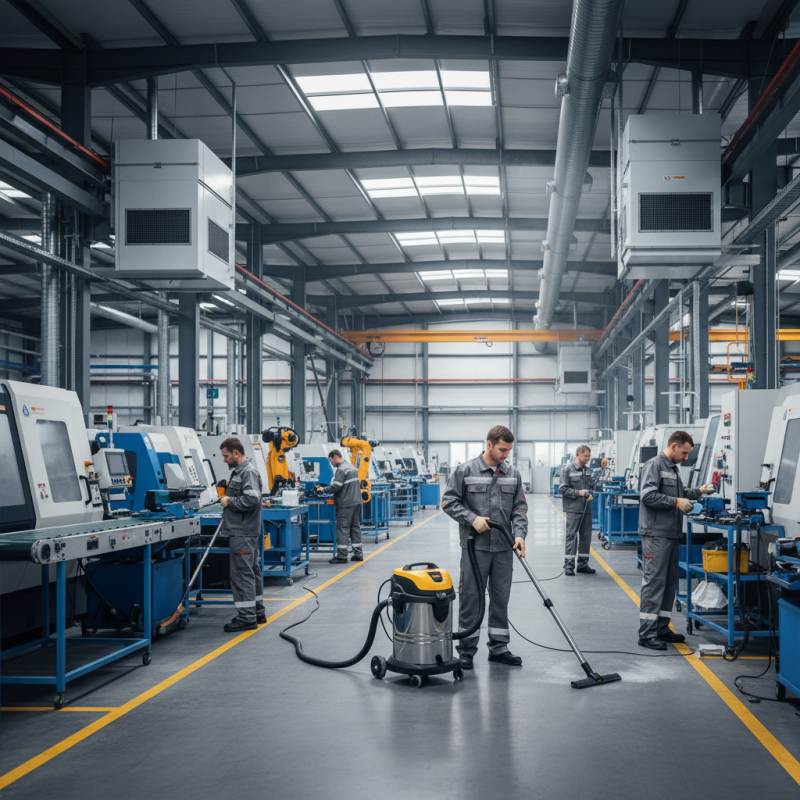
In industrial environments, surface cleanliness is vital for operational efficiency. Several factors influence how effectively surfaces can be cleaned. The type of materials used on surfaces plays a significant role. For example, porous materials tend to trap contaminants more easily. Non-porous surfaces might allow for quicker cleaning, yet the effectiveness can vary based on the cleaning agents used.
The method of cleaning also matters. Some processes may require manual scrubbing, while others use high-pressure steam or automated systems. The choice affects the time taken and the thoroughness of cleaning. Environmental factors, like temperature and humidity, can impair cleaning effectiveness. In humid conditions, dirt and grime may adhere more tenaciously.
Human factors cannot be overlooked. Worker experience impacts how surfaces are cleaned. Less experienced staff may follow procedures incorrectly, leading to suboptimal results. Regular training can address this issue but may not always be feasible. Equipment maintenance is another area for reflection. Well-maintained tools lead to better results, yet many facilities neglect this aspect. The cleanliness of an industrial setting is a complex balance of multiple factors.
In industrial environments, the choice of cleaning agents significantly impacts cleaning efficiency. According to a 2022 report by the Cleaning Industry Research Institute, the right cleaning agent can enhance surface cleanliness by up to 40%. This improvement stems from the agent's chemical composition. Surfactants, for instance, reduce surface tension, allowing for better penetration into contaminants.
Effective cleaning agents also vary based on the type of surfaces and soils present. For instance, alkaline cleaners are often more effective on greasy residues, while acidic cleaners work well on mineral deposits. A study highlighted that approximately 30% of cleaning challenges arise from selecting inappropriate agents. This inefficiency can lead to increased labor costs and prolonged downtime, which is a concern in productivity-driven industries.
Moreover, while cleaning agents play a vital role, their misuse can lead to diminished results. Over-concentration of solutions can leave residues that attract dirt. Environmental regulations around cleaning agents also shift. Industries must stay updated on permissible substances, causing confusion and potential inefficiencies. Striking a balance between cleaning effectiveness and compliance is an ongoing challenge for many operations.
In industrial environments, the cleanliness of a facility significantly impacts productivity and safety. The efficiency of cleaning processes largely hinges on the equipment and tools utilized. Various studies indicate that modern cleaning technology can reduce labor costs by up to 20% and improve cleaning outcomes by 30% or more. For instance, using automated scrubbers instead of manual methods can enhance surface cleanliness while minimizing worker fatigue.
However, not all tools are created equal. An analysis of cleaning efficacy shows that outdated equipment often leads to missed areas and requires more chemical use. This inefficiency not only raises costs but may also harm the environment. Moreover, inadequate training on new equipment can prevent workers from achieving the desired cleanliness standards. Many facilities overlook the importance of regular maintenance and staff training in their cleaning protocols.
Techniques and tools must continually evolve. Emerging technologies, such as eco-friendly cleaning agents and advanced filtration systems, promise enhanced results. Yet, these innovations present their own challenges. Facilities must consider the balance between cost and long-term effectiveness, as cutting corners can lead to detrimental results. Data suggests that investing in high-quality tools may have a higher upfront cost but can yield better cleaning performance over time.
Cleaning efficiency in industrial environments hinges significantly on various environmental conditions. Factors like humidity, temperature, and light levels play vital roles. High humidity can lead to mold growth and make surfaces slippery, complicating the cleaning process. Conversely, extremely low humidity can dry out cleaning agents quickly, reducing their effectiveness.
Temperature affects the viscosity of cleaning solutions. Warmer temperatures tend to enhance the cleaning agents' ability to dissolve grime more efficiently. However, excessive heat can also make surfaces uncomfortable for workers. Additionally, poor lighting can hide dirt and stains, resulting in missed areas during cleaning. An efficient cleaning regimen must consider these elements to achieve optimal results.
The layout of an industrial space also impacts cleaning performance. Cluttered areas can hinder access, making it difficult to clean effectively. Employees may take shortcuts in hard-to-reach spots, resulting in incomplete cleaning. Regular assessments of environmental conditions and workplace organization can lead to marked improvements in cleaning outcomes. These reflections on current practices can pave the way for enhanced efficiency.
Optimizing cleaning routines in industrial environments is crucial for enhancing efficiency. According to a study by the International Facility Management Association, efficient cleaning can reduce operational costs by up to 30%. This illustrates the significant potential of effective cleaning practices.
A well-structured cleaning schedule is vital. Regular cleaning intervals can prevent the buildup of dirt and contaminants. A report from the American Society for Healthcare Engineering suggests that thorough cleaning can decrease infection rates by over 50% in industrial settings. Proper training is equally important. Employees who understand cleaning protocols are more likely to perform tasks effectively.
Utilizing technology, such as automated cleaning systems, can improve outcomes. A survey by the Cleaning Industry Research Institute found that automation can enhance cleaning efficiency by nearly 25%. However, investing in technology requires careful consideration. Not all facilities may benefit uniformly from automation. Regular assessments of cleaning processes enable industries to identify areas needing improvement. Balancing human effort with technology can lead to better cleaning outcomes.
: Surface cleanliness ensures operational efficiency and safety in industrial environments. Dirty surfaces can hinder production and cause accidents.
Porous materials trap contaminants more easily, while non-porous surfaces may allow for quicker cleaning but vary in effectiveness.
Different methods, such as manual scrubbing or automated systems, impact the time and thoroughness of cleaning results.
Humidity and temperature can impair cleaning effectiveness. High humidity makes grime stick, while temperature influences cleaning agent efficiency.
Inexperienced staff may misapply procedures leading to less effective cleaning. Training can help, but its implementation may vary.
Well-maintained cleaning tools yield better results. Neglecting maintenance can lead to subpar cleaning performance.
Clutter can obstruct cleaning access, causing shortcuts and missed spots. A well-organized space enhances cleaning efficiency.
Poor lighting can hide dirt and stains, resulting in missed cleaning tasks. Adequate lighting is essential for thorough cleaning.
Regular evaluations of workplace conditions can identify issues and promote practices that enhance cleaning effectiveness.
Various factors—from materials to environmental conditions—require careful consideration to maintain optimal surface cleanliness in industry.
In the industrial sector, various factors play a crucial role in determining what affects cleaning efficiency in industrial environments. Surface cleanliness is influenced by multiple elements, including the choice of cleaning agents, which can greatly enhance the overall effectiveness of cleaning processes. The right combination of equipment and tools also contributes significantly to optimizing cleaning routines and ensuring thorough sanitation in industrial settings.
Furthermore, environmental conditions such as temperature, humidity, and air quality can impact cleaning performance. To maximize cleaning efficiency, industries should adopt best practices that consider these factors, ensuring a systematic approach to cleaning that not only adheres to safety standards but also promotes a healthier workspace. By understanding and addressing these key influences, organizations can elevate their cleaning efforts and maintain high standards of hygiene in their facilities.

Dulles Equipment