Cleaning large areas can be challenging. Many facilities struggle with efficiency and effectiveness. Understanding how to improve cleaning performance in large areas is vital for success. A well-executed cleaning strategy not only ensures a hygienic environment but also enhances productivity.
Effective cleaning methods require expertise and the right tools. Large spaces can harbor dirt and germs, leading to health risks. Experienced professionals suggest using advanced equipment and appropriate cleaning agents. This combination can make a significant difference. Nevertheless, many still grapple with inconsistent results. It’s essential to find what works best for your specific situation.
Reflection on past cleaning practices can unveil hidden issues. Is your team well-trained? Do you utilize the latest technology? Gathering feedback can uncover gaps. Improving cleaning performance often requires adjustments and ongoing education. Identifying these areas can elevate standards and achieve better outcomes.
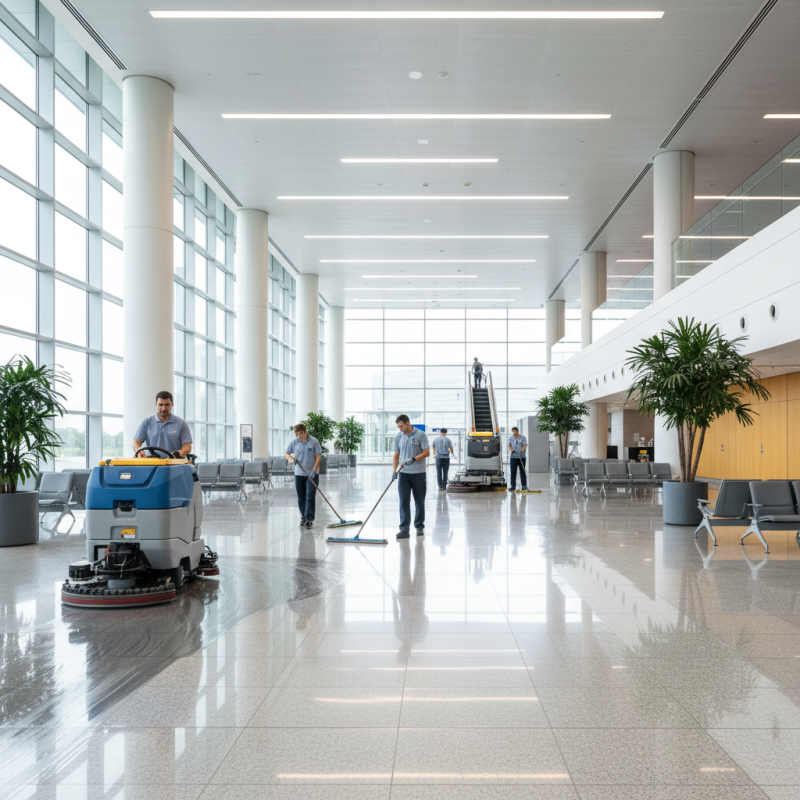
Selecting the right cleaning equipment for large areas is crucial for efficiency. According to industry reports, improper equipment can lead to up to a 30% increase in labor costs. Choosing machinery tailored for the specific environment can help save time and resources. For instance, using a floor scrubber designed for warehouses differs from one meant for office spaces.
When considering cleaning tools, evaluate their cleaning width and capacity. Equipment with wider cleaning paths can cover larger areas faster. Moreover, the choice between manual and automated machines is vital. Automation can boost productivity by up to 50%, especially in extensive operations. However, initial costs can be high and may not suit every facility's budget.
Maintenance is another area where reflection is necessary. Equipment that is not well-maintained can lead to frequent breakdowns and increased downtime. Thus, it's essential to establish a regular maintenance schedule. It’s also important to consider the training of staff on equipment usage. Inadequate training can result in inefficiencies, ultimately negating any benefits from advanced machinery. Investing time in training can cultivate a more efficient cleaning team.
In today's fast-paced environments, innovative cleaning technologies are essential for enhancing efficiency and effectiveness in large areas. Smart cleaning solutions, such as automated scrubbers and robotic vacuums, have gained traction. According to a 2022 industry report, these advanced tools can reduce cleaning time by up to 30%, significantly boosting productivity.
Integrating IoT-enabled devices can provide real-time data on cleaning operations. This allows managers to allocate resources more effectively. A report from the Cleaning Industry Research Institute indicates that utilizing data analytics can enhance cleaning quality by 25%. However, teams must be trained to interpret this data properly.
Tips: Regularly maintain equipment to prevent malfunctions. Not all staff may be receptive to new technologies, so seek their input. Additionally, don’t overlook the importance of human oversight in conjunction with automation; combining both often yields the best results. Attention to detail is crucial. Assess performance regularly and adjust strategies as necessary.
Training staff effectively is essential for optimal cleaning in large areas. It's not just about having the right tools. Employees need to understand how to use them effectively. A well-trained team can adapt to different cleaning challenges. They find the best ways to tackle diverse spaces.
Hands-on training is crucial. Staff members should practice cleaning various surfaces and layouts. This experience builds confidence. Regular workshops help teams stay updated on new techniques. It also allows for discussion about struggles and solutions. Not every cleaning routine will work perfectly every time. Employees should feel comfortable sharing what doesn't work, fostering a culture of continuous improvement.
Feedback mechanisms play a vital role. Observing staff during their cleaning tasks can highlight areas for development. Constructive criticism should be part of this process. This approach can reveal inefficiencies that training alone might not address. Empowering staff to reflect on their performance promotes ownership. It drives a commitment to maintaining high cleaning standards.
In managing large cleaning operations, analytics can transform how schedules are created. Data-driven cleaning schedules use real-time information to optimize cleaning efforts. This approach relies on observed patterns, which can lead to improved outcomes. By analyzing foot traffic and usage rates, facilities can designate cleaning times for high-traffic areas. This targeted cleaning reduces waste and enhances efficiency.
Applying data analytics offers numerous advantages. It allows for better time management among cleaning staff and ensures that efforts are directed where they are needed most. For effective implementation, consider equipping your teams with tools that can capture data accurately. Regularly review cleaning patterns to see what works best. This approach fosters a culture of continuous improvement, allowing for adjustments based on the data collected.
Tip: Gather feedback from cleaning staff to identify pain points. Engaging end-users can provide insights that data alone may miss. It can spark improvements in cleaning techniques and schedules. Adjust schedules based on seasonal traffic fluctuations to maintain high standards of cleanliness. Always be open to refining processes as new data emerges; flexibility is essential in achieving the best results.
Large area cleaning presents unique challenges, particularly when balancing efficiency with sustainability. According to a report by the Environmental Protection Agency, over 25% of cleaning supplies contribute to environmental pollution. It highlights the need for effective practices that minimize ecological impact. Implementing sustainable cleaning methods can significantly reduce this footprint.
Using biodegradable cleaning agents and reducing water consumption are vital. Studies show that adopting these methods can lower chemical waste by 40%. Another report indicates that energy-efficient equipment can decrease electricity use by up to 30%. These practices not only help the environment but can also enhance cleaning performance.
Tips for sustainable cleaning include training staff on eco-friendly practices. Regularly updating cleaning protocols for sustainability can lead to continuous improvement. Additionally, monitoring cleaning activities can help identify areas for reduction in resource use.
Creating a culture of sustainability within teams ultimately fosters better practices in large area cleaning.
: Innovative cleaning technologies include automated scrubbers and robotic vacuums. They improve cleaning efficiency significantly.
IoT-enabled devices provide real-time data, improving resource allocation and enhancing cleaning quality by 25%.
Staff training ensures proper tool use and boosts confidence in tackling diverse cleaning challenges.
Hands-on training is crucial. Practicing on different surfaces builds skills and adapts to various tasks.
Observing staff highlights development areas. Constructive criticism fosters continuous improvement and accountability.
Sustainable practices include using biodegradable agents and reducing water and chemical waste. They help the environment.
Monitoring activities helps identify areas for reducing resource use, fostering a culture of sustainability within teams.
Regular maintenance prevents malfunctions and ensures equipment operates efficiently.
Seek staff input and provide training. Not all may accept new tech initially, but engagement helps.
Not every routine will work perfectly. Teams need to share struggles, fostering a culture of improvement.
To effectively address how to improve cleaning performance in large areas, it is essential to adopt a multifaceted approach. Key strategies include selecting the right cleaning equipment tailored to the specific needs of expansive spaces, which can drastically enhance productivity. Harnessing innovative cleaning technologies, such as advanced machinery and automation, can also boost both efficiency and effectiveness in maintaining large areas.
Furthermore, training staff to optimize their cleaning techniques ensures they are well-prepared to tackle the challenges presented by larger environments. Implementing data-driven cleaning schedules based on analytics allows for better resource allocation and management, leading to improved outcomes. Finally, incorporating sustainability practices can help reduce environmental impact while maintaining high cleaning standards, thus achieving an all-around improvement in cleaning performance.

Dulles Equipment