In the industrial cleaning arena, speed and efficiency are pivotal for maintaining operational excellence. According to John Smith, a leading expert in industrial operations, "To improve cleaning speed, focus on the process and integrate technology strategically." This insight underscores the importance of a methodical approach to enhance cleaning performance.
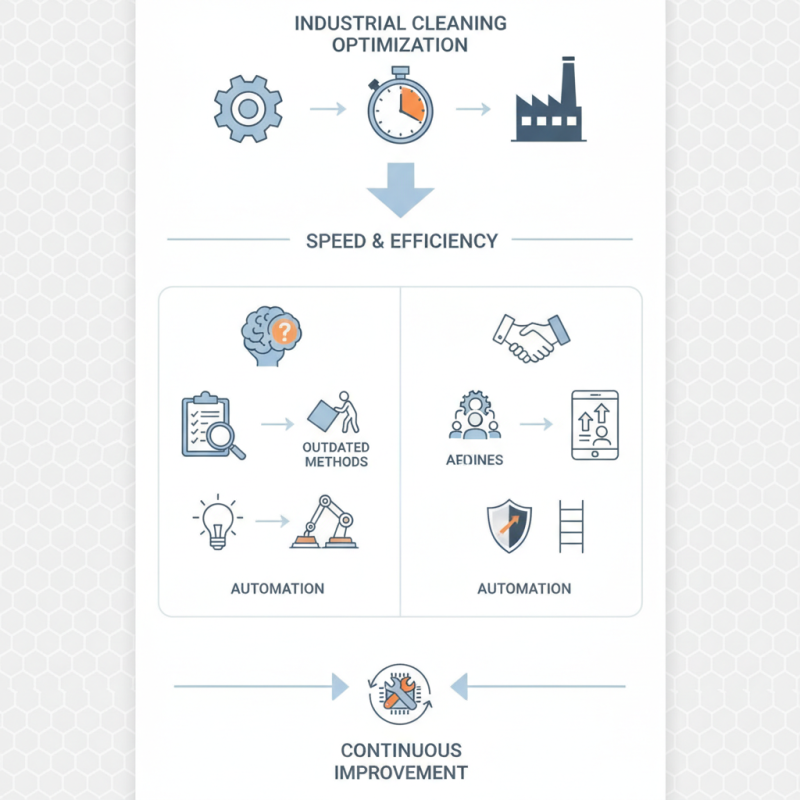
Understanding how to improve cleaning speed in industrial operations involves analyzing current practices. Many companies still rely on outdated methods, leading to inefficiencies. A fresh perspective can reveal opportunities for innovation. For instance, automating certain cleaning tasks can significantly reduce manual labor and associated time costs.
However, it’s crucial not to overlook the human element in this equation. Training staff on new technologies plays an essential role. Often, the greatest barriers to improved speed stem from employee resistance to change. Addressing these concerns fosters a culture of continuous improvement. Balancing technology with effective change management ensures a streamlined transition towards enhanced cleaning operations.
Identifying Key Areas for Efficiency in Cleaning Processes
In industrial cleaning, identifying key areas for efficiency can significantly impact overall productivity. One major factor is the layout of the workspace. If cleaning supplies and equipment are too far from the action, time is wasted. Organizing tools within arm's reach creates a more streamlined process. Moreover, maintaining a clean space is vital; clutter can obstruct access and slow cleaning speed. Placing cleaning stations strategically can help mitigate these issues.
Another focal point is the choice of cleaning methods. Using manual tools might save money, but they often take longer. Adopting automated solutions, like floor scrubbers, can drastically reduce cleaning time. However, the transition to automation requires staff training. It's essential to evaluate whether all team members are on board with new technologies. The effectiveness of new methods relies heavily on proper use.
Monitoring progress can also reveal inefficiencies. Tracking cleaning times and regularly reviewing them leads to insights. It may show that certain methods consistently lag behind others. Teams should not shy away from discussing challenges they face. This openness can uncover potential solutions and foster a culture of continuous improvement. Cleaning processes should always be adaptable, reflecting the changing needs of the environment.
Implementing Advanced Cleaning Technologies and Tools
Implementing advanced cleaning technologies is crucial for improving cleaning speed in industrial operations. Studies reveal that companies using automated cleaning systems can reduce cleaning time by up to 50%. This is significant in sectors such as manufacturing and food processing, where quick turnaround is essential. Advanced technologies such as robotic cleaners and high-pressure washers enhance efficiency while ensuring thorough sanitation.
Moreover, industries are increasingly leveraging IoT-enabled devices for real-time monitoring. Data suggests that 70% of industrial operations that adopt smart cleaning solutions see an improvement in compliance with health and safety standards. These innovations allow for predictive maintenance, which minimizes downtime. However, not all facilities integrate these technologies seamlessly.
It's essential to recognize these hurdles. Embracing new cleaning tools often requires a cultural shift within the organization. Inconsistent use or resistance to change can hinder potential benefits. For effective implementation, targeted training programs and gradual adoption can facilitate smoother transitions. Acknowledging these imperfections can lead to better strategies in adopting advanced cleaning solutions.
Streamlining Workflow through Effective Team Coordination
Effective team coordination plays a crucial role in enhancing cleaning speed within industrial operations. According to recent data from the Cleaning Industry Research Institute, workplaces can improve productivity by 20-30% through streamlined team workflows. A well-coordinated team ensures that tasks are assigned based on each member's strengths, allowing for faster and more efficient cleaning processes. Training sessions focusing on communication can bridge gaps and create stronger bonds.
However, many companies overlook this aspect. A study by the International Facility Management Association revealed that only 56% of cleaning teams regularly participate in coordinated training. This leads to misunderstandings and slows down cleaning tasks. Implementing regular check-ins and feedback loops can help identify challenges and improve overall team dynamics.
Additionally, technology can enhance coordination. Tools like task management software and communication platforms provide real-time updates. Yet, not every facility embraces these innovations. Over-reliance on traditional methods can hinder progress. Identifying the right mix of technology and human interaction is essential for achieving optimal cleaning efficiency. It is a journey that requires continuous assessment and adaptation.
How to Improve Cleaning Speed in Industrial Operations?
| Cleaning Task |
Duration (Minutes) |
Team Size |
Coordination Tools |
Improvement Suggestions |
| Floor Cleaning |
120 |
4 |
Trello, Slack |
Implement a daily schedule |
| Machine Cleaning |
90 |
3 |
Asana, Google Meet |
Train staff on effective techniques |
| Window Washing |
60 |
2 |
Microsoft Teams |
Use squeegees with extended handles |
| Restroom Sanitizing |
75 |
3 |
Monday.com |
Establish a checklist for consistency |
| Inventory Cleaning |
110 |
5 |
Zoom, Notion |
Schedule routine maintenance checks |
Establishing Standard Operating Procedures for Consistency
Establishing Standard Operating Procedures (SOPs) is crucial for improving cleaning speed in industrial operations. SOPs provide clear guidelines that everyone can follow. This consistency minimizes errors and enhances efficiency. When team members understand their tasks, they perform them faster. Instructions should be straightforward and accessible.
Regular training is essential. While SOPs lay the foundation, ongoing training ensures everyone stays informed. However, not all staff members adapt equally. Some may struggle with new procedures. This disparity can slow down operations. It's vital to identify these gaps and address them. Regular feedback sessions can help identify issues and refine procedures.
Monitoring performance is another key aspect. Use metrics to assess cleaning speed and effectiveness. If the speed isn’t improving, review the SOPs. Sometimes, procedures may need adjustments. Gathering input from staff can reveal insights on inefficiencies. Emphasizing adaptability allows teams to fine-tune their practices. When workers feel heard, their engagement increases, leading to better results.
Monitoring and Analyzing Performance for Continuous Improvement
Monitoring and analyzing performance is vital for enhancing cleaning speed in industrial operations. According to a report by the International Facility Management Association, effective cleaning can increase productivity by up to 30%. Measuring current cleaning times and performance metrics helps identify areas needing improvement. Real-time data collection through sensors allows teams to track cleaning frequency and efficiency.
Even with advanced technology, challenges remain. Inconsistent cleaning practices often lead to slower operations. Employees may not adhere to best practices due to a lack of training or motivation. A study from Cleaning & Maintenance Management highlights that 40% of workers are unaware of efficient cleaning techniques. Addressing this knowledge gap is crucial for continuous improvement.
Implementing a feedback loop is essential. Gathering input from cleaning staff can offer insights into practical obstacles faced on the floor. Performance analytics should not solely focus on speed; quality must also be assessed. Reports show that neglecting quality during speed optimization can result in higher long-term costs due to rework. Balancing speed and quality is the key to successful industrial cleaning operations.
Cleaning Speed Improvement in Industrial Operations
This bar chart illustrates the improvement in cleaning speed over five weeks in an industrial operation. As the weeks progress, the cleaning speed, measured in units per hour, shows a significant increase, reflecting ongoing monitoring and performance analysis efforts for continuous improvement.
Conclusion
To effectively address the question of how to improve cleaning speed in industrial operations, several strategies can be employed. Firstly, identifying key areas within the cleaning process where efficiency can be enhanced is crucial. This involves a thorough analysis of current practices and pinpointing bottlenecks that hinder productivity. Implementing advanced cleaning technologies and tools can significantly speed up operations, as these innovations are designed to optimize performance and reduce manual labor.
Furthermore, streamlining workflow through effective team coordination ensures that all individuals are aligned in their tasks, minimizing downtime and maximizing output. Establishing standard operating procedures also plays a vital role in maintaining consistency across cleaning efforts, enabling teams to perform tasks more quickly and reliably. Lastly, continuous monitoring and analysis of performance metrics will facilitate ongoing improvements, allowing organizations to adapt and refine their cleaning processes over time, ultimately leading to enhanced operational efficiency.

 Dulles Equipment