Effective drainage system maintenance is crucial for optimal performance. Many facilities face challenges in this area. Water accumulation and flooding can severely disrupt operations. Understanding how to improve maintenance of drainage systems can lead to better results.
Regular inspection is a key part of the solution. Small issues often evolve into larger problems over time. For instance, debris buildup can block flow and cause significant failures. It is essential to schedule inspections at consistent intervals. Additionally, adopting advanced technologies can enhance monitoring capabilities.
Training staff is another critical component. Employees must be aware of proper maintenance techniques. Investing in hands-on training can prevent mistakes. In many cases, organizations overlook the human element in drainage system care. Fostering a culture of accountability can improve overall system reliability. The road to enhancement is ongoing, with opportunities for reflection and adjustment along the way.
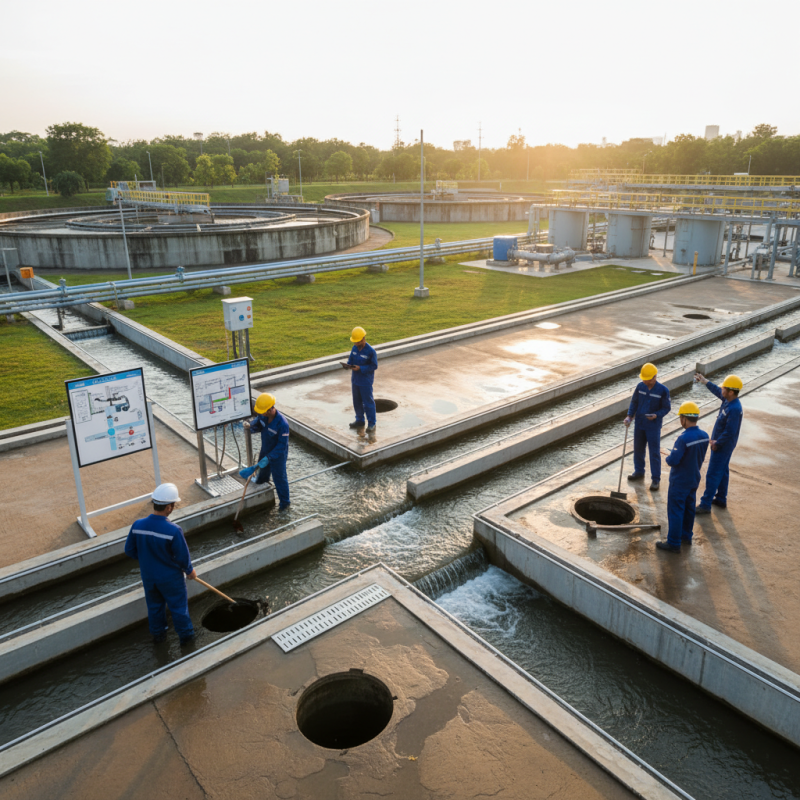
Assessing the current condition of drainage systems is crucial for effective maintenance. Regular inspections can reveal blockages, wear, or structural damages that affect performance. Visual assessments can identify visible signs of distress. A well-maintained drainage system operates more efficiently, preventing flooding and water accumulation.
One practical approach is to utilize advanced technologies like drones or cameras. These tools can provide detailed insights without extensive manual labor. Regular data analysis can help track performance trends. However, sometimes these assessments reveal unexpected issues. It can be unsettling to discover that a seemingly functional system has hidden problems.
Incorporating feedback from maintenance staff is essential. They often have valuable firsthand insight about chronic issues. Documentation of past repairs and ongoing concerns can guide future improvements. Continuous reflection and a willingness to adapt will lead to better overall system performance.
Drainage system maintenance is critical for effective performance. Regular inspections help identify many issues that may go unnoticed. Clogged pipes are a frequent problem. Leaves, debris, and sediment accumulate over time. This buildup can lead to backups and overflows. Homeowners should check for visible blockages regularly. Additionally, the joints in pipelines may weaken. Corrosion or shifting soil can cause leaks. These issues not only waste water but also compromise structural integrity.
Another common issue is inadequate drainage slopes. When systems are not well-designed, water can pool in unwanted areas. This can create an environment for mold and more severe drainage problems. Seasonal changes can also impact drainage efficiency. Heavy rains may overwhelm systems designed for less rainfall. Regularly assessing capacity can prevent these issues. Furthermore, keeping up with seasonal maintenance tasks is vital. Ignoring minor problems can lead to more extensive, costly repairs down the line.
Engaging with professionals for thorough inspections is beneficial. They can offer expert insights into potential risks. Identifying and addressing these issues promptly can enhance system longevity. Regular maintenance is not just about fixes; it is about prevention. Small actions today can lead to significant benefits tomorrow.
Regular inspection and maintenance of drainage systems are crucial for optimal performance. Studies suggest that maintenance schedules can improve drainage efficiency by up to 30%. Many facilities overlook this necessity. Inadequate maintenance can lead to blockages and overflows, ultimately causing costly repairs. The industry standard recommends quarterly inspections for drainage systems in urban areas, especially in regions prone to heavy rainfall.
Implementing a structured maintenance plan can prevent these issues. Data shows that systems maintained regularly have a lifespan increase of around 20%. Effective inspections should include checking for debris, cracks, and proper water flow. Regular cleaning can mitigate the risk of clogs and restore functionality. However, personnel often lack training, leading to neglect. Engaging certified professionals can ensure that best practices are followed, resulting in fewer emergencies.
Despite these insights, many organizations still delay necessary maintenance. Reports indicate that approximately 60% of drainage systems fail to meet required standards. Often, decisions are based on immediate budget constraints rather than long-term benefits. Addressing these shortcomings could save considerable costs in the future. Building a culture of proactive maintenance requires commitment and resources, but the long-term advantages are undeniable.
Modern technology is revolutionizing drainage management. Sensors and data analytics are now key players. They provide real-time monitoring and help identify blockages quickly. This approach reduces maintenance costs and enhances efficiency.
Using drones for aerial inspections is becoming more common. Drones can easily detect issues in hard-to-reach areas. They save time and provide comprehensive data for assessments. The integration of smart tools enables proactive maintenance, preventing larger problems.
Tips for improving drainage system maintenance include:
Training personnel effectively is crucial for maintaining a reliable drainage system. Well-trained staff can identify issues early, reducing costly repairs and downtime. Knowledgeable employees can also ensure that regular maintenance tasks are completed efficiently. This not only preserves system functionality but also enhances overall performance.
Tips for effective training include hands-on workshops. These allow personnel to engage directly with the system. Use real-life scenarios to teach troubleshooting techniques. Encourage team discussions around common challenges. This promotes problem-solving skills and fosters a collaborative environment.
Regular assessments are essential. They help identify knowledge gaps within the team. Short quizzes can be a fun way to reinforce learning. Moreover, always encourage feedback after training sessions. This helps improve future training programs and ensures that personnel feel involved in their development. Continuous improvement is key to maintaining an effective drainage system.
: Regular inspections help identify hidden issues and prevent costly repairs. They enhance system performance.
Clogged pipes, weak joints, and inadequate slopes are frequent issues. Each can lead to major complications.
Heavy rains may overwhelm systems built for less rainfall. This can lead to backups and pooling in unwanted areas.
A plan should cover checking for debris, cracks, and proper water flow. Regular cleaning is also vital.
Neglecting maintenance can lead to blockages, overflows, and expensive repairs. Early fixes can save money in the long run.
Trained personnel can spot issues early and complete tasks efficiently. This boosts system reliability and performance.
Hands-on workshops and real-life scenarios help improve troubleshooting skills. Team discussions foster a collaborative environment.
Yes, many delay necessary maintenance due to budget constraints. This can lead to more significant problems later on.
Commitment and resources are needed to foster a maintenance-first mindset. Long-term advantages outweigh initial efforts.
Untrained staff may overlook problems, leading to costly system failures. Continuous improvement in training is essential.
To enhance the performance of drainage systems, it is essential to understand how to improve maintenance of drainage systems through a comprehensive approach. First, assessing the current condition and performance of the drainage system allows for the identification of common issues that hinder efficiency. Regular inspections and maintenance schedules help to address these problems proactively, ensuring the system operates optimally.
Moreover, the integration of modern technology, such as surveillance and sensors, plays a crucial role in effective drainage management. It enables real-time monitoring and quick identification of issues. Finally, investing in training for personnel responsible for drainage system upkeep can significantly improve maintenance practices and overall system performance. By following these strategies, organizations can effectively maintain their drainage systems and contribute to better environmental health and infrastructure sustainability.

Dulles Equipment