How to Minimize Downtime in Cleaning Operations Effectively?

Time:2026-06-29 Author:Madeline
0%

Downtime in cleaning operations is a significant challenge for many businesses. According to a report by the Bureau of Labor Statistics, cleaning services account for approximately 9% of all workplace injuries due to slips and falls. These incidents can lead to extended downtime, affecting overall efficiency and costs. The question often arises: how to reduce downtime in cleaning operations effectively?

A survey by the International Facility Management Association reveals that 30% of facilities report that poor scheduling leads to unnecessary cleaning disruptions. Addressing these issues requires a careful approach. Using technology like smart scheduling tools can streamline operations and reduce idle time. However, not all organizations have adopted these innovations. Many still rely on outdated systems, which can hinder progress and lead to missed opportunities.

Moreover, training staff on efficient cleaning protocols can drastically improve turnaround times. However, many cleaning teams often overlook this critical aspect. Reflecting on these challenges is vital for improving outcomes. By focusing on effective strategies, organizations can make meaningful changes to minimize downtime and enhance productivity.
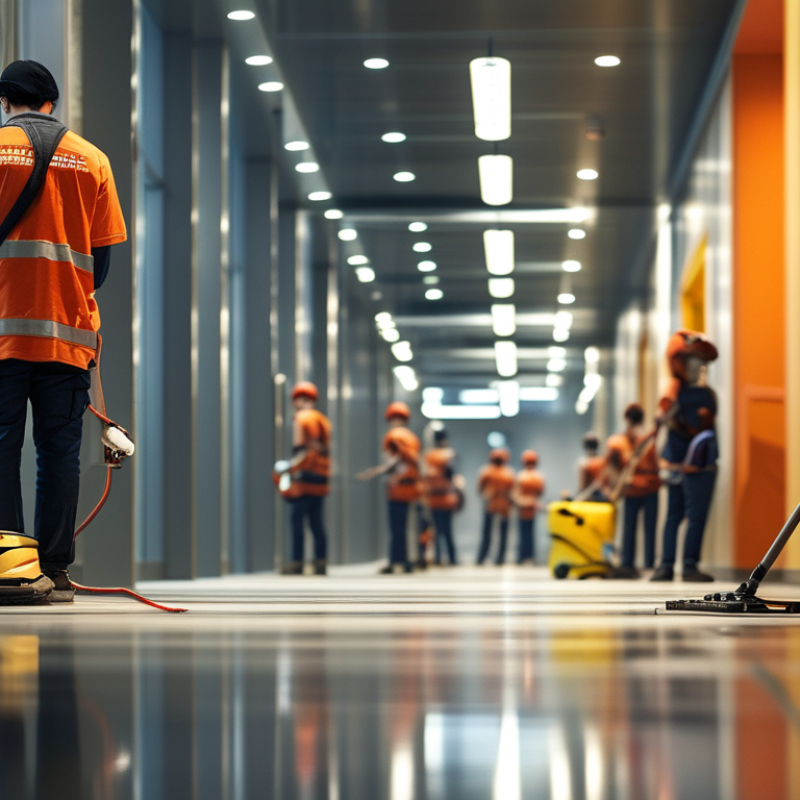
How to Minimize Downtime in Cleaning Operations Effectively?

Strategies for Assessing Current Cleaning Operations Efficiency

Assessing the efficiency of cleaning operations is crucial in minimizing downtime. Start by measuring your current performance. Gather data on cleaning times, task completion rates, and worker productivity. These metrics reveal how well your operations are running. Involve your team in this assessment. Their frontline insights can uncover inefficiencies you might overlook.

Next, observe cleaning processes in real-time. Are there unnecessary steps? Are employees using outdated methods? Sometimes, the tools and equipment can contribute to delays. Evaluate their effectiveness regularly. Keep an open mind about new techniques or technologies that could simplify operations. Testing different approaches may uncover more efficient workflows.

Feedback loops are essential. Engage with your team frequently about what works and what needs change. Encourage them to share their experiences and suggestions. Sometimes, the most effective improvements come from on-the-ground realities. Regularly revisiting and reassessing your cleaning operations fosters a culture of continuous improvement.

Identifying Common Causes of Downtime in Cleaning Tasks

Downtime in cleaning operations can significantly affect efficiency. Identifying common causes is crucial for improvement. A study by the International Facility Management Association (IFMA) noted that nearly 30% of cleaning downtime is attributed to inadequate training. Without proper knowledge, cleaning staff may spend excessive time troubleshooting or incorrect procedures.

Equipment failure is another major factor. According to the Cleaning Industry Research Institute, almost 20% of downtime occurs due to malfunctioning machines. Regular maintenance is often overlooked, leading to disruption in operations. While some teams may prioritize quick fixes, these can lead to greater issues down the line.

Poor communication can exacerbate downtime. When staff members are not aligned, tasks can overlap, or critical areas may be neglected. Research indicates that teams with clear communication protocols experience 15% less downtime. However, it is common for teams to underestimate the importance of this aspect, leading to inefficient cleaning processes and wasted resources.

Implementing Effective Cleaning Schedules and Routines

Implementing effective cleaning schedules and routines is crucial for minimizing downtime in cleaning operations. A well-structured schedule ensures consistent cleanliness without interruptions. Different facilities have unique needs. Tailoring cleaning routines to specific environments, such as offices or hospitals, enhances efficiency. Regular assessments can identify peak usage times. Cleaning during off-peak hours prevents disruptions and keeps operations running smoothly.

Flexibility in cleaning routines is essential. Adapting to changes in occupancy or usage patterns is key. A rigid schedule may lead to oversights, such as missed high-traffic areas. Incorporating feedback from staff can lead to improvements. This kind of collaboration fosters a proactive approach. Data-driven decisions can pinpoint cleaning frequency based on usage metrics, helping optimize time.

Challenges will arise. New staff may need training, or equipment may malfunction. Using checklists can help maintain consistency. Low-tech solutions, like visual reminders, can reinforce cleanliness goals. Regularly reviewing and refining the cleaning routine is necessary. A commitment to ongoing improvement keeps operations efficient and responsive to needs. Embracing change and learning from past experiences will lead to better outcomes.

Training and Engaging Staff to Improve Operational Continuity

Training staff effectively is crucial to minimizing downtime in cleaning operations. Engaged workers are 31% more productive, according to the Gallup State of the Global Workplace report. This highlights the importance of training programs that foster skills and boost morale. When staff are provided with clear instructions and ongoing training, they are more likely to respond quickly during high-pressure situations.

Building a culture of continuous improvement is essential. Engage staff in regular feedback sessions to identify areas for improvement. The International Facility Management Association suggests that actively involving employees in decision-making can lead to a 20% improvement in operational efficiency. Implementing monthly workshops can provide staff with the skills needed to adapt quickly when unexpected events arise.

Tip: Divide the workforce into smaller teams for specific projects. This can lead to greater accountability and quicker response times.

Communication is key. Regular check-ins and updates help keep everyone on the same page. Studies show that teams that communicate effectively can cut downtime by up to 50%. Encourage open dialogue among staff to share their concerns and suggestions.

Tip: Use visual aids to reinforce training and operational protocols. Clear visuals help reinforce memory retention and reduce errors during cleaning tasks.

Creating a motivated workforce can greatly enhance operational continuity and reduce downtime in cleaning operations. Engaged staff are more willing to take ownership of their roles, leading to significant impacts on overall efficiency.

Leveraging Technology and Tools to Enhance Cleaning Efficiency

Minimizing downtime in cleaning operations is crucial for maintaining efficiency. Leveraging technology can significantly enhance the cleaning process. Smart cleaning tools, for instance, can automate basic tasks. This approach reduces manual labor and allows staff to focus on more critical areas.

Utilizing tracking software is another effective strategy. These systems monitor cleaning schedules and staff performance. They offer insights into peak activity times and identify performance gaps. By analyzing this data, cleaning teams can optimize their schedules. This not only boosts productivity but also minimizes wasted time.

Tips for enhancing cleaning efficiency:
- Train staff on the latest cleaning technologies. Proper training ensures everyone can use tools effectively.
- Implement regular feedback loops. Gather input from the cleaning team to identify pain points.
- Schedule routine maintenance for all cleaning equipment. Well-maintained tools last longer and work better, reducing delays.

Sometimes, even with technology, things don't go as planned. Equipment may malfunction or staff may lack proper training. Regular assessments and adjustments are essential to adapt. An evolving approach can help maintain efficiency in various circumstances.

FAQS

: What are common causes of downtime in cleaning tasks?

: Common causes include inadequate training, equipment failure, and poor communication.

How does inadequate training affect cleaning operations?

Ineffective training leads to excessive troubleshooting and improper procedures, contributing to downtime.

Why is equipment maintenance important?

Regular maintenance prevents malfunctioning machines, reducing the nearly 20% downtime caused by equipment issues.

How does communication impact cleaning efficiency?

Poor communication can lead to overlapping tasks and neglected areas, increasing downtime by 15%.

What role do effective cleaning schedules play?

Well-structured schedules minimize downtime, ensuring cleanliness without disruptive interruptions during peak hours.

How can feedback from staff improve cleaning routines?

Incorporating staff feedback fosters collaboration and helps adapt routines to changing conditions, improving efficiency.

What challenges might arise in cleaning operations?

Challenges include training new staff and equipment failures, which can disrupt workflow and require ongoing adjustments.

How can engaging staff reduce downtime?

Engaged workers are more productive and responsive during high-pressure situations, significantly improving overall efficiency.

What is a practical tip for improving staff accountability?

Divide the workforce into smaller teams for specific tasks, leading to quicker response times and increased ownership.

How can visual aids assist in training?

Visual aids enhance memory retention and help reduce errors in cleaning tasks through clear, memorable instructions.

Conclusion

To effectively address how to reduce downtime in cleaning operations, it is essential to adopt a systematic approach. First, assessing the current efficiency of cleaning operations allows for the identification of weaknesses and areas for improvement. Common causes of downtime, such as inadequate scheduling or lack of proper training, should be pinpointed to understand their impact on overall productivity.

Implementing structured cleaning schedules and routines can significantly enhance operational continuity. Training and engaging staff not only empowers them but also fosters a sense of responsibility towards minimizing downtime. Furthermore, leveraging technology and advanced tools can streamline processes, enhance communication, and ultimately elevate cleaning efficiency. By incorporating these strategies, organizations can create a more resilient cleaning operation that minimizes interruptions and maximizes effectiveness.

Madeline

Madeline

Madeline is a dedicated marketing professional with a wealth of expertise in our company's core offerings. With a keen understanding of the industry, she brings a unique perspective to her role, consistently delivering high-quality content that highlights the superior aspects of our products. As......