Maintaining your cleaning equipment is crucial for its longevity and effectiveness. Proper care ensures that tools perform optimally and last longer. Knowing how to maintain cleaning equipment properly can save time and money.
Many users neglect routine maintenance, leading to early wear and unsatisfactory results. Simple practices like regular inspections can prevent bigger issues. Cleaning your equipment after each use might seem tedious, but it pays off in performance.
Ignoring minor repairs today can cause bigger problems tomorrow. Equipment left unmaintained may become less efficient and even unsafe. It is essential to prioritize proper maintenance to extend the lifespan of your tools and protect your investment in cleaning equipment.
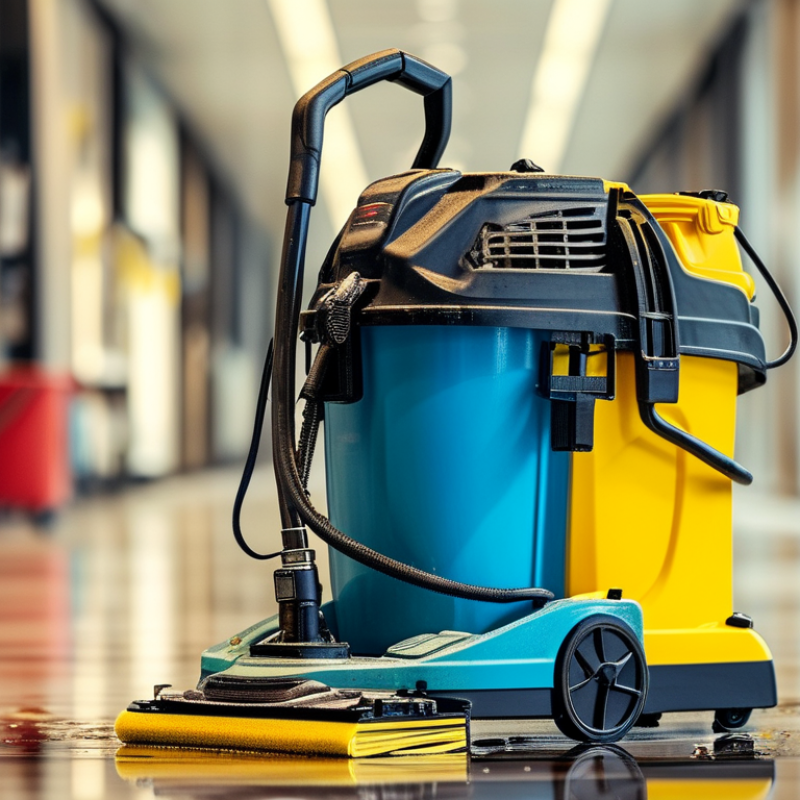
Cleaning equipment plays a crucial role in maintaining hygiene and cleanliness in various environments. Understanding the importance of maintaining this equipment is essential for long-term effectiveness. Regular care enhances the efficiency of tools and prolongs their lifespan. Neglect can lead to malfunctions and deteriorate performance over time.
Routine maintenance is not just about cleaning; it involves inspecting parts for wear. For example, checking filters in vacuum cleaners can prevent poor suction. It’s easy to overlook this step, but neglecting it might result in a dirty environment. Failure to maintain equipment can lead to costly replacements. Such consequences highlight the importance of a proactive approach to equipment care.
Being aware of common maintenance mistakes is just as vital. Many users think that rinsing equipment is enough. However, some tools require more detailed attention, like replacing worn-out brushes or lubricating moving parts. Reflection on these practices can reveal significant gaps in maintenance routines. A commitment to proper upkeep fosters longevity and ensures that your cleaning processes remain effective and reliable.
Regular cleaning is crucial for the longevity of your cleaning equipment. Establishing a routine can greatly enhance the lifespan of these tools. Start by setting aside specific times each week for maintenance. A consistent schedule helps ensure that your equipment is always in top condition. Consider adding reminders to your calendar for this purpose.
Tips: Always check for debris or build-up after each use. A simple wipe down can prevent long-term damage. Inspect cords and hoses for wear and tear. Small issues can become significant problems if neglected.
Use a checklist to guide your cleaning routine. Include items like filter replacements, oiling moving parts, and testing functionality. Regular assessments will lead you to discover potential issues early. Inadequate care might lead to inefficiencies and increased costs. Evaluate your routine regularly. Are there areas where you could improve?
| Equipment Type | Maintenance Frequency | Cleaning Method | Expected Lifespan | Notes |
|---|---|---|---|---|
| Vacuum Cleaner | Weekly | Empty dust bin; clean filters | 5-10 years | Check belts regularly |
| Mop | After Each Use | Rinse; soak in cleaning solution | 1-2 years (depends on quality) | Replace head if frayed |
| Broom | Monthly | Shake out debris; wash bristles | 5 years | Store upright to maintain bristles |
| Window Squeegee | After Each Use | Rinse rubber blade; dry | 3-5 years | Replace rubber blade when worn |
| Pressure Washer | Every 3 months | Flush system; check hoses | 10-15 years | Store in a dry environment |
Regular inspection of cleaning equipment is crucial. This proactive approach can catch issues before they escalate. Look for wear and tear on hoses, brushes, and filters. Listen for unusual sounds during operation. These signs often indicate underlying problems.
Repairing equipment promptly can prevent costly replacements. For instance, a small leak can lead to major damage if left unaddressed. Check for blockages that might hinder performance. Often, simple repairs can enhance efficiency. Consider training staff on basic maintenance practices. They can identify issues early and report them effectively.
Cleaning equipment is integral to operations. A neglected machine may not perform well. Regular assessments can save time and money. Yet, some may overlook this step, assuming everything is fine. A small investment in upkeep goes a long way in ensuring longevity.
Proper storage techniques play a vital role in maintaining cleaning equipment. According to recent industry reports, up to 45% of equipment failures stem from improper storage methods. Keeping your tools in a dry, cool environment prevents rust and corrosion. Equipments should not be stored in damp areas, as moisture can lead to significant wear and tear.
Over time, accumulated dirt and grime can affect the performance of cleaning equipment. Regular cleaning after use is essential. Ensure that equipment, like mops and brushes, is thoroughly dried before storage. Placing them in a well-ventilated area promotes longevity. Additionally, using racks or shelves for organized storage helps avoid accidental damage. Tools left on the ground are more prone to wear.
Finally, labeling storage areas can help reduce confusion. This can prevent mishandling and incorrect usage. A common oversight is failing to check storage conditions regularly. By routinely assessing your storing practices, you can identify potential issues before they escalate. Such reflections are critical for maintaining both safety and efficiency in your cleaning operations.
This chart illustrates the average hours spent on different maintenance activities for cleaning equipment. Proper maintenance is crucial to ensure the longevity and efficiency of your cleaning tools.
Choosing the right cleaning agents is crucial for maintaining various types of cleaning equipment. For instance, using a strong alkaline solution on delicate surfaces can cause damage. Each piece of equipment has its specific needs. It's essential to read the manufacturer's guidelines carefully.
For floor scrubbing machines, a neutral pH cleaner is often recommended. This helps to protect the machine's components while ensuring effective cleaning. On the other hand, pressure washers might require more potent agents to remove grease and grime. It’s fascinating how a simple change in cleaner can impact efficiency and equipment longevity.
Moreover, not all cleaning products are compatible with each machine. Mixing chemicals can lead to adverse reactions. Regularly checking the cleaning agents used can prevent costly mistakes. Remember to store these agents safely and consult professionals when in doubt. An informed choice leads to a more effective cleaning strategy and ensures your equipment lasts longer.
: Maintenance ensures tools operate efficiently and last longer. Neglect can lead to malfunctions and performance deterioration.
Inspect for wear on filters, hoses, and brushes. Pay attention to possible blockages and unusual sounds during operation.
Regular inspections are crucial. Check equipment frequently to catch issues early and avoid costly repairs.
Users often think rinsing is enough. Many tools need detailed care, like replacing brushes or lubricating parts.
Keep equipment in a dry, cool place to prevent rust. Ensure tools are cleaned and dried before storage.
Accumulated dirt and improper storage can hinder performance. Regular cleaning and proper storage are key for longevity.
Trained staff can spot issues early and report them. This proactive approach helps maintain equipment effectively.
Labeling reduces confusion and mishandling of tools. It promotes correct usage and minimizes wear and tear.
Neglect can lead to major damage and costly replacements. Reflection on maintenance practices is necessary to prevent this.
Regularly assess your practices and storage conditions. Identify gaps and adjust routines to enhance effectiveness.
To ensure the longevity of cleaning equipment, it is essential to understand how to maintain cleaning equipment properly. Regular cleaning should be established as a routine to prevent dirt and grime from building up, which can lead to reduced efficiency. Additionally, inspecting and repairing equipment allows for early identification of potential issues, helping to avoid costly replacements.
Proper storage techniques play a crucial role in preventing damage and extending the lifespan of cleaning tools. Utilizing the right cleaning agents tailored to the specific equipment type ensures that maintenance is effective without causing harm. By following these guidelines, you can enhance the performance and durability of your cleaning equipment, ultimately leading to more efficient cleaning processes.

Dulles Equipment