Reducing water use in professional cleaning is no longer just an environmental ambition. It is a practical operating priority. Every bucket, spray bottle, and rinsed mop affects utility costs, labor time, and wastewater volume. This guide explains how to reduce water consumption in cleaning operations through measured planning, suitable equipment, and consistent staff habits. It draws on common workplace practices, including microfiber systems, low-flow floor scrubbers, controlled dilution, and targeted rinsing.
Small changes can produce visible results. A trigger sprayer can replace an overflowing pail for many surface tasks. A microfiber cloth can remove dust with limited moisture. Automatic scrubbers should match water flow to floor condition, rather than running at maximum output. Staff should inspect leaks, record daily usage, and compare water consumption with cleaned square meters. Numbers reveal waste.
Training matters more than buying equipment. Clear instructions help workers avoid repeated rinsing, excessive chemical dilution, and unnecessary hose use. However, no method works perfectly in every building. A hospital, food facility, hotel, and warehouse require different hygiene controls. Cutting water too aggressively may leave residue or weaken sanitation. That risk deserves attention. Practical trials, supervisor observations, and reliable maintenance records can guide safer decisions. Cleaning teams should test one area, review the results, and adjust the process before expanding it. The goal is not simply using less water. It is delivering dependable cleanliness with the lowest reasonable consumption. Mistakes may happen. Learning from them makes the system stronger.
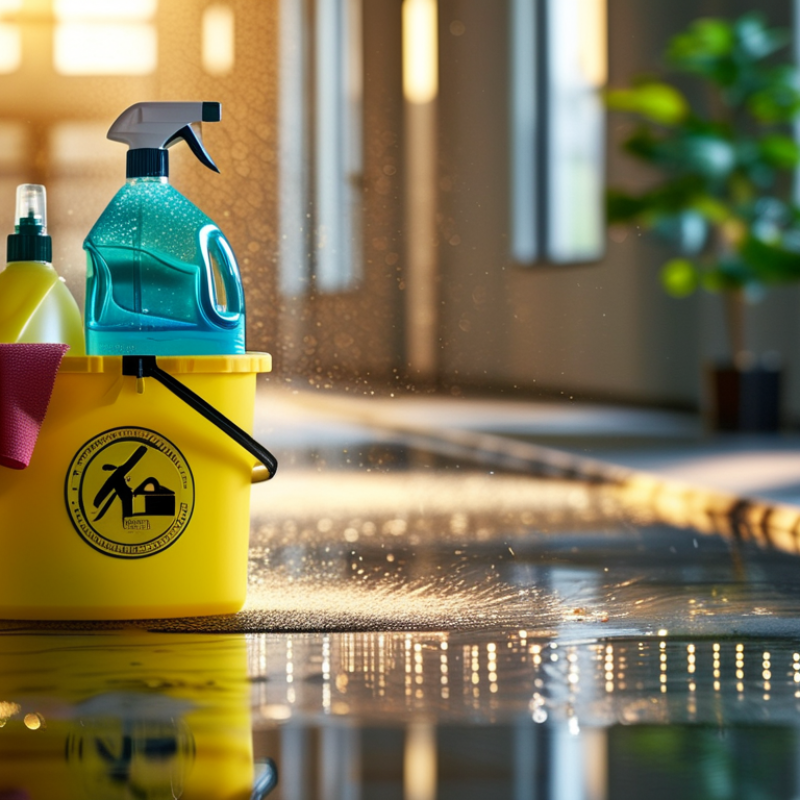
Water reduction begins with measurement, not guesswork. In a typical cleaning operation, record water used by each area, shift, and task. Use flow meters where possible, or measure bucket volume and refill frequency. Note the equipment, surface type, soil level, and cleaning method beside every reading. Small details matter. A five-minute hose rinse can consume more water than several controlled mop cycles. These observations create a practical baseline for improvement.
Review the records weekly, looking for unusual peaks rather than chasing a perfect number. A restroom may use more water because of heavy traffic, while a low-use corridor may reveal over-cleaning. Compare similar tasks across teams. Ask workers what happens in practice. They may report leaking connections, oversized buckets, repeated rinsing, or unclear dilution instructions.
Direct observation is valuable, because written procedures do not always match real conditions. An experienced supervisor can verify whether water is solving a soil problem or simply masking poor technique.
Set a baseline in liters per cleaned square meter, where reliable area data exists. Track water alongside labor time, cleaning quality, and customer complaints. A lower reading is not automatically better. Too little water can spread soil, damage surfaces, or trigger rework. Test one change at a time, such as pre-sweeping, controlled spraying, or shorter rinse periods. Record the result for several shifts. Some findings may challenge assumptions. If measurements are inconsistent, improve the measuring process before judging staff performance. That extra step can feel slow, but it protects the accuracy of the decision.
Remove loose debris with microfiber tools, sweeping, scraping, or vacuuming. Dry removal prevents dirty water from spreading.
Use damp tools for light soil and spot treatment. Reserve full wet washing for heavier contamination. Do not over-wet clean floors.
Use measured spray patterns and trigger-controlled nozzles. Short bursts help. Avoid running hoses continuously.
Choose adjustable flow, controlled dispensing, and effective water recovery. Match the machine to the surface, soil level, and room size.
Fill tanks only to the required level. Let solutions dwell briefly before rinsing. Rinsing too early may require extra water.
Record water use by room, task, or shift. Inspect dry surfaces under bright light for streaks, residue, or buildup.
Check hoses, fittings, valves, and connections weekly. Replace dirty pads promptly. Small leaks matter.
Reuse relatively clean water for pre-cleaning, dust suppression, or outdoor washing when appropriate. Keep clean and dirty water separate.
Recovered water may contain oils, allergens, pathogens, or concentrated chemicals. Never reuse it automatically. Check its quality first.
Training helps workers control flow, change damp tools, and follow hygiene checks. Written instructions alone are not enough. My measurements may be imperfect when teams share one supply line. That limitation should be recorded.
Reducing water use in cleaning operations begins with understanding where and how water is being consumed. Teams should assess water usage across routine tasks, identify unnecessary waste, and set practical reduction goals. Choosing water-efficient cleaning methods and equipment, such as controlled spray systems, microfiber tools, or low-moisture techniques, can significantly reduce demand while maintaining appropriate cleanliness. Procedures should also be optimized by using the correct amount of water, applying it only where needed, and avoiding excessive rinsing or repeated cleaning.
A clear answer to how to reduce water consumption in cleaning operations also includes responsible water reuse and recycling where safe and practical. Water should only be reused when its quality and intended purpose make this appropriate, with health and safety requirements always considered. Finally, organizations should monitor consumption, review cleaning results, train staff, and adjust procedures over time. Continuous measurement and improvement help turn water conservation into a reliable, long-term part of daily operations.

 Dulles Equipment