A well-functioning drainage system is vital for any home. Clogs can lead to serious issues, including water damage and unpleasant odors. Understanding how to prevent drainage system clogging is essential for homeowners. Regular maintenance and mindful practices can make a significant difference in keeping your drains clear.
Many of us overlook the little things that contribute to clogs. Hair, grease, and food particles often find their way into drains. These items can accumulate, creating blockages that are hard to remove. Making small changes in your daily routine can greatly reduce the risk of clogged drains.
Consider using strainers in sinks and showers. These simple devices catch debris, preventing it from entering your drainage system. Additionally, avoid pouring grease down the sink. Instead, dispose of it in a container. These proactive steps reflect a commitment to maintaining your home’s plumbing. If clogs do occur, understanding how to address them effectively is crucial. This knowledge empowers you to keep your systems running smoothly.
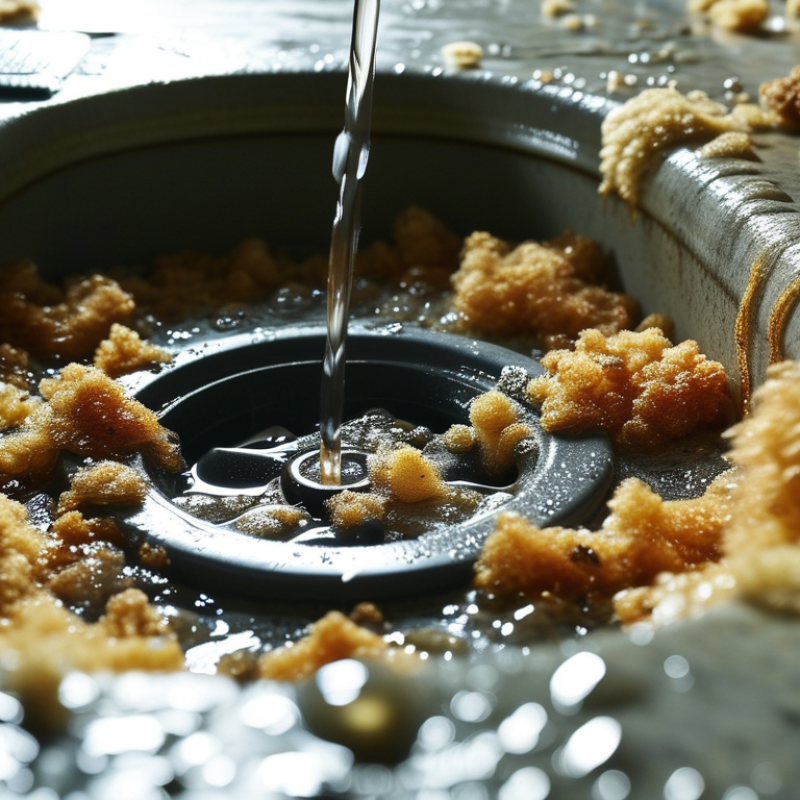
Understanding the Common Causes of Drainage System Clogging
Clogged drainage systems are a common nuisance in both residential and commercial areas. According to the American Society of Civil Engineers, nearly 60% of plumbing issues arise from improper waste disposal and buildup of debris. Hair, grease, and soap scum often accumulate in pipes, leading to serious blockages. Understanding these causes is vital for effective prevention measures.
One significant contributor to clogs is kitchen waste. Grease from cooking can solidify in pipes over time. The Environmental Protection Agency states that fats, oils, and grease (FOG) account for up to 47% of sewer blockages. Regularly cleaning kitchen sinks and properly disposing of grease can help mitigate this issue.
Bathroom drains can also become problematic. Hair strands, combined with soap residue, can create a dense mass that obstructs flow. Studies reveal that around 80% of bathroom clogs result from hair buildup. Periodically using a drain snake or strainer can be an effective solution, but it requires diligence to maintain. By recognizing these factors, property owners can take proactive steps to avoid costly repairs and frequent plumbing emergencies.
Preventive Measures to Avoid Drainage System Clogs
Preventing clogs in your drainage system requires attention to detail and proactive measures. According to a report from the American Society of Plumbing Engineers, 75% of plumbing issues stem from blockages. Regular inspection and maintenance are vital to avoid larger problems down the line. You should clean your drains periodically to remove residues that accumulate over time.
Another effective preventative measure is to be mindful of what goes down the drain. Chemicals and oils can cause significant build-up. Keep a strainer over your kitchen sink and dispose of food waste properly. This simple tip can significantly reduce the chances of clogs, minimizing the need for costly repairs.
If you notice slow drainage, act quickly. Using a mixture of baking soda and vinegar can clear minor blockages. Allow it to sit for several minutes before flushing with hot water. This natural method can often save you from more invasive solutions like snaking the drain. Additionally, ensure that outdoor drainage is clear of leaves and debris. Ignoring this can lead to excessive water pooling and increase the risk of future clogs. Regular attention and small actions can go a long way in maintaining a healthy drainage system.
How to Stop Your Drainage System from Clogging Effectively
Effective DIY Techniques for Clearing Minor Drainage Blockages
Clogged drains are a common nuisance, yet many homeowners overlook simple preventative measures. According to the Environmental Protection Agency, over 40% of urban waterways are polluted by untreated stormwater runoff. Implementing basic DIY techniques can significantly reduce clogs and protect our waterways.
One effective method involves using hot water and baking soda. Pouring a pot of boiling water down your sink can break down grease. Follow it with a half-cup of baking soda. Let it sit for 15 minutes, then flush with hot water again. This process can clear minor blockages quickly. The American Society of Sanitary Engineering supports using natural methods over chemical cleaners, enhancing both effectiveness and safety.
Another approach is to regularly clean your drains with a mixture of vinegar and baking soda. This not only helps in reducing odors but can also clear out buildup. Studies show that enzymatic cleaners made from natural ingredients can maintain drain health. However, if blockages persist, it might reveal underlying issues within the plumbing system that need addressing. Regular maintenance can save money and prevent potential disasters.
When to Call a Professional for Drainage Issues
When faced with drainage issues, knowing when to call a professional can save you from costly repairs. According to a recent survey, nearly 75% of homeowners experience clogs in their drainage systems. While some minor clogs can be managed with home remedies, persistent issues often require professional expertise. Ignoring signs of trouble can lead to more severe problems, like water damage or mold growth.
If you notice slow drainage, frequent backups, or unusual odors, these can indicate larger problems. A study by the National Association of Homebuilders reports that unresolved drainage issues can depreciate your property value by up to 15%. Concerning statistics also highlight that 40% of homeowners wait too long before contacting a professional, leading to more extensive damage. It's wise to engage experts early to assess the situation accurately and mitigate risks.
Professional plumbers possess advanced tools and techniques. They can diagnose complex drainage problems that might not be visible to the untrained eye. Furthermore, a report from the Plumbing Manufacturers International shows that improper maintenance results in over $5 billion in repair costs annually. Homeowners should recognize that not every drainage issue is minor, and sometimes, discretion is the better part of valor.
How to Stop Your Drainage System from Clogging Effectively? - When to Call a Professional for Drainage Issues
| Prevention Method |
Frequency |
Signs of Problems |
Recommended Action |
| Regularly Clean Drains |
Monthly |
Slow draining water |
Use a drain cleaner |
| Install Hair Traps |
Once |
Frequent clogs |
Check and empty regularly |
| Avoid Grease Disposal |
Always |
Foul odor |
Use hot water and soap |
| Use Baking Soda & Vinegar |
Quarterly |
Gurgling sounds |
Flush with hot water |
| Professional Inspection |
Annually |
Backed up water |
Call a plumber |
Maintaining Your Drainage System for Long-Term Efficiency
Maintaining your drainage system is crucial for long-term efficiency. Regular inspections can help catch problems early. Look for cracks, rust, or blockages in pipes. Clearing out debris can prevent larger issues downstream. Often, small clogs can be fixed quickly with simple tools. Ignoring these signs can lead to serious complications.
Cleaning schedules should be established. Use a mixture of baking soda and vinegar for a natural cleanse. Ensure grease or food particles don’t accumulate in kitchen drains. Bathroom drains often suffer from hair buildup; consider using a drain catcher. These proactive measures can save you from larger repairs. Neglecting maintenance is easy, but it leads to costly fixes later.
Educating yourself on the signs of drainage issues can empower homeowners. If a drain is slow, it’s a signal for attention. Unpleasant odors often indicate underlying problems. Regularly checking your system allows for a more reliable home environment. Ultimately, staying informed and engaged with your drainage system promotes a healthier space.
Conclusion
To effectively stop your drainage system from clogging, it is essential to first understand the common causes of blockages, such as buildup from grease, hair, and debris. Knowing these causes can help in implementing preventive measures, like using strainers and regularly cleaning your drains, which is crucial in learning how to prevent drainage system clogging.
In addition to preventive techniques, minor blockages can often be addressed with DIY methods such as using a plunger or a mixture of baking soda and vinegar. However, it’s vital to recognize when to call a professional for more serious drainage issues. Regular maintenance, including inspections and cleaning, will ensure your drainage system operates efficiently over the long term.

 Dulles Equipment