Top 10 Causes of Pipe Blockages You Need to Know?

Time:2026-05-07 Author:Oliver
0%

When considering "what causes pipe blockages," it’s essential to understand the common culprits. Renowned plumbing expert James Turner highlights, “Many blockages start small but can lead to significant issues.” Understanding these causes can save property owners from costly repairs.

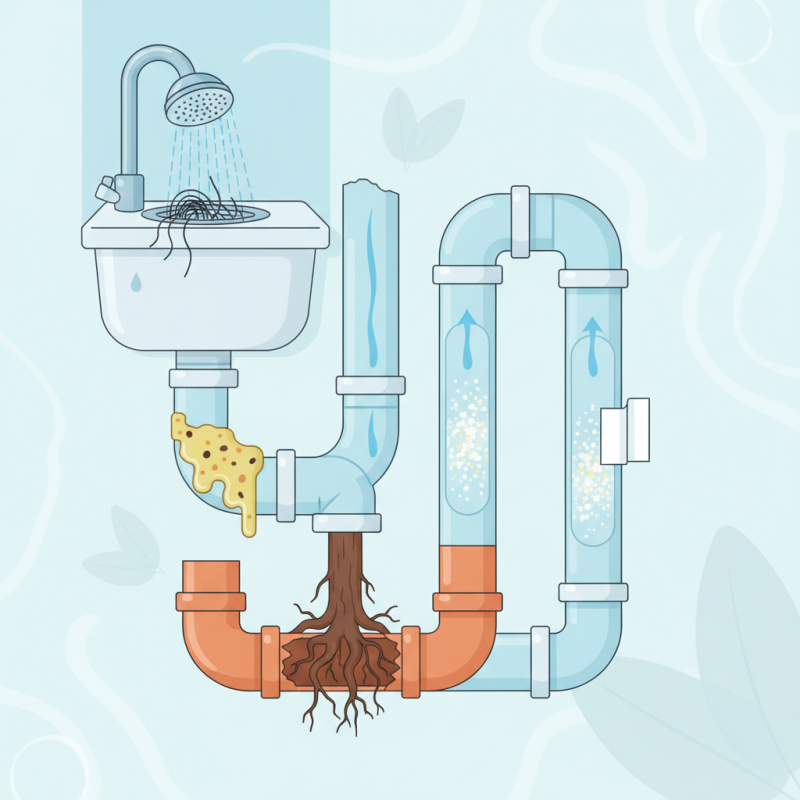
Pipe blockages often arise from everyday items. Hair, grease, and food particles frequently build up over time. Tree roots can intrude into older pipes, causing unexpected obstructions. Even mineral deposits can solidify, leading to reduced water flow.

Preventing blockages requires attention and care. Regular maintenance helps identify problems early. Ignoring minor issues can escalate into major headaches. As Turner emphasizes, recognizing potential blockages fosters a proactive approach. Awareness is key in tackling this common plumbing issue.
Top 10 Causes of Pipe Blockages You Need to Know?

Top 10 Causes of Pipe Blockages You Need to Know

Blockages in pipes can cause major inconveniences. Knowing the causes is essential for homeowners. One common reason for clogs is hair buildup. Whether from the shower or sink, hair can form giant mats that trap other debris. Kitchen sinks often suffer from grease. Over time, oils from cooking can solidify and cling to the pipe walls.


Another frequent issue is soap residue, which combines with minerals to create hard deposits. This can narrow pipes and exacerbate blockages. Food waste also plays a significant role. Not all food scraps break down easily. Items like coffee grounds and fibrous vegetables can pile up over time.


Think about foreign objects, too. Sometimes, small toys or items accidentally fall into drains. They can cause immediate blockages. Tree roots may infiltrate outdoor pipes, leading to significant damage. Anticipating these causes can help in maintaining clear plumbing systems. Regular inspections can identify potential issues before they escalate.

Understanding Grease Buildup: The Leading Culprit in Drain Issues

Grease buildup is a leading cause of pipe blockages in residential plumbing systems. According to the American Society of Plumbing Engineers, 47% of all home drain issues can be attributed to grease and fats. This sticky substance originates from cooking oils, animal fats, and food waste. Over time, these materials accumulate, creating clogs that can lead to serious drainage problems.

When grease cools, it hardens and adheres to the sides of pipes, narrowing the passage for waste. This buildup can result in slow drainage or complete blockages. The Environmental Protection Agency reports that improper disposal of grease costs cities millions in maintenance fees annually. Many homeowners unknowingly contribute to this issue by rinsing greasy dishes down the sink. Regular maintenance and mindful disposal practices can help mitigate these costly problems.

Even with preventive measures, grease-related clogs still plague many properties. Some people may overlook small blockages, allowing them to escalate. Seeking professional help at the first sign of slow drainage can save time and expense. Understanding grease buildup as a primary issue is crucial for maintaining a healthy plumbing system.

Impact of Tree Roots on Underground Pipe Integrity and Blockages

Tree roots can be a silent yet powerful force impacting underground pipes. They seek water and nutrients, naturally gravitating toward any small cracks or leaks. Once they infiltrate, roots can expand and create significant blockages. This problem is common in urban areas with mature trees. Homeowners often are unaware until they've already incurred damage.

The presence of tree roots can lead to serious plumbing issues. Blockages may cause sewage backups, leading to costly repairs. Even without visible signs, roots can weaken pipe infrastructure. Over time, they're capable of causing pipe collapses. Regular inspections can help mitigate root intrusion, but many neglect this preventative measure.

Not every pipe is resilient against tree roots. Older pipes made from clay or cast iron are especially vulnerable. Awareness and timely action are crucial. Experts recommend installing root barriers or choosing specific plants that won't invade pipes. Being informed can save homeowners from stressful and expensive plumbing disasters. Mind the roots in your yard; they might be more dangerous than you think.

Debris Accumulation: How Hair and Soap Scum Contribute to Clogs

Debris accumulation is a common issue that leads to pipe blockages. One of the primary culprits is hair. When hair strands come together in the drain, they create a tangled mess. Over time, this buildup can trap soap scum and other materials, forming a stubborn clog. Showers and sinks are particularly vulnerable. Each washing can contribute to this unwanted blockage.

Soap scum is another significant factor. It forms when soap interacts with minerals in water. This residue sticks to pipes and combines with hair and other debris. The mixture hardens over time, leading to more severe blockages. Cleaning these pipes can be a daunting task. Unfortunately, many individuals underestimate the impact of these materials. Regular maintenance can mitigate these issues but is often overlooked. Ignoring early signs could lead to costly repairs down the line.

The Role of Foreign Objects in Domestic Pipe Blockages and Solutions

Pipe blockages are a common issue in households. One major contributor is foreign objects. According to industry experts, approximately 75% of all pipe blockages are caused by items not meant for drainage. These include hair, paper products, and food remnants. Each year, plumbing issues result in thousands of dollars in damages.

Foreign objects can lead to severe clogs. For instance, grease accumulation can harden over time, making it difficult for waste to pass through. A report from the American Plumbing Association revealed that grease-related blockages cost homeowners approximately $5 billion annually. It's essential to be mindful of what goes down your drains. Items like wipes and dental floss seem harmless but can create significant problems.

Solutions exist but often require professional intervention. Regular maintenance, such as drain cleaning, can help. Homeowners should also consider using drain screens to catch debris. A proactive approach reduces the likelihood of encountering serious blockages. Addressing these issues before they escalate is wise. Prevention is always better than costly repairs.

Sediment and Mineral Deposits: Common Causes in Aging Plumbing Systems

In aging plumbing systems, sediment and mineral deposits are significant culprits of pipe blockages. Over time, minerals from hard water build up within pipes, creating restrictor bands. According to the Water Quality Association, over 85% of homes in the U.S. have hard water. This issue is compounded in older plumbing systems, where mineral buildup can restrict water flow significantly.

The accumulation often leads to a more complex blockage dilemma. For example, the combination of rust, scale, and organic debris can create solid obstructions that are difficult to clear. The Environmental Protection Agency (EPA) reports that such deposits can reduce pipe diameter by up to 50%. Homeowners may overlook these symptoms until a significant failure occurs, highlighting a critical gap in preventive maintenance practices.

Regular inspection and cleaning can mitigate these issues. Technicians can recommend solutions based on specific conditions in each system. Ignoring early signs can lead to costly repairs down the line. A proactive approach can enhance plumbing longevity. Recognizing the signs of sediment and mineral buildup is essential for maintaining efficient plumbing systems.

FAQS

: What causes tree roots to invade underground pipes?

: Tree roots seek water and nutrients. They target small cracks or leaks in pipes.

How do tree roots affect plumbing?

They cause significant blockages. This can lead to sewage backups and costly repairs.

Are all pipes equal in terms of vulnerability to roots?

No, older pipes, especially clay or cast iron, are more vulnerable to root intrusion.

How can homeowners prevent root damage to pipes?

Regular inspections can help. Installing root barriers can also protect pipelines.

What are common foreign objects that cause pipe blockages?

Hair, food remnants, and paper products are frequent culprits. They can lead to severe clogs.

What role does grease play in pipe issues?

Grease can harden and obstruct waste flow. It contributes to billions in damages annually.

How can homeowners proactively manage drain blockages?

Regular maintenance and drain cleaning are crucial. Using drain screens can also help catch debris.

What should a homeowner do if they discover a blockage?

Seeking professional help is often necessary. Addressing it early can prevent bigger issues.

Are there less obvious items that cause blockages?

Yes, items like wipes and dental floss may seem harmless but can create significant problems.

Why is awareness important for plumbing issues?

Being informed helps homeowners take timely action, potentially saving them from costly repairs.

Conclusion

Understanding what causes pipe blockages is essential for maintaining a healthy plumbing system. One of the most common culprits is grease buildup, which can accumulate in pipes over time, leading to significant drainage issues. Additionally, tree roots can infiltrate underground pipes, causing damage and blockages as they grow. Other notable causes include the accumulation of debris such as hair and soap scum, which can easily lead to clogs if not managed properly.

Foreign objects, such as toys or sanitary products, can also contribute to domestic pipe blockages, highlighting the importance of proper disposal methods. Finally, sediment and mineral deposits are prevalent in aging plumbing systems, often resulting in restricted flow. By understanding these factors, homeowners can take proactive measures to prevent blockages and ensure their plumbing functions efficiently.

Oliver

Oliver

Oliver is a seasoned marketing professional with a wealth of expertise in driving brand awareness and engagement. With a deep understanding of our company's product offerings, he consistently delivers high-quality content that enriches our professional blog. His insights not only shed light on......