Pipeline systems are a backbone of many industries, especially in energy and transportation. However, what is the importance of regular pipeline maintenance? Maintenance is essential to ensure safety and efficiency. A neglected pipeline can lead to severe accidents, leaks, and environmental damage. In China, where energy demands are high, frequent disruptions can result from inadequate upkeep.
Moreover, regular maintenance can extend the lifespan of pipelines. Aging infrastructure requires attention. The costs associated with unexpected repairs can be substantial. Investing time and resources in routine checks can save money in the long run. It’s also critical for compliance with legal and environmental regulations.
Unfortunately, some companies overlook these responsibilities. This negligence can have lasting consequences. If a pipeline fails, the repercussions are not just financial; they impact public health and the environment. Understanding the significance of regular maintenance is essential for industry leaders. It promotes a culture of safety and reliability in an ever-demanding market.
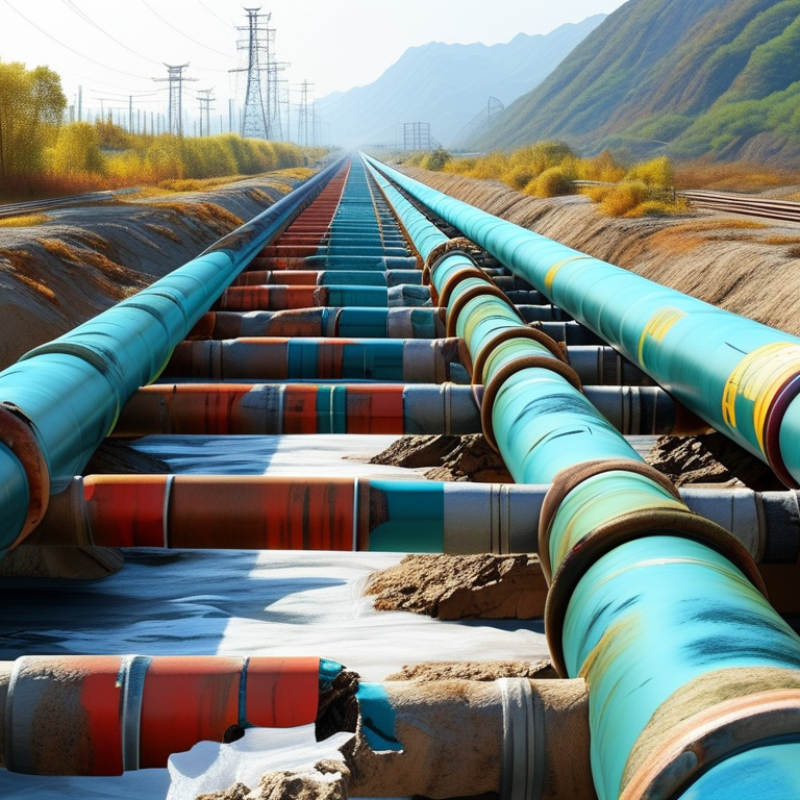
Importance of Regular Pipeline Maintenance for Safety and Reliability
Regular pipeline maintenance is crucial for ensuring safety and reliability. Over time, pipelines can develop wear, corrosion, and leaks. These issues can lead to significant hazards, including environmental disasters and safety threats to nearby communities. Regularly inspecting and maintaining pipelines helps to identify potential problems early. This proactive approach is essential for preventing major accidents.
Investing in regular maintenance not only enhances safety but also optimizes operational efficiency. For instance, a well-maintained pipeline can function at peak capacity, reducing both downtime and maintenance costs. Neglecting routine checks may result in unexpected failures, leading to costly emergency repairs. Moreover, regulatory compliance is often tied to regular maintenance schedules. Failing to adhere to legal standards may result in penalties or operational shutdowns.
Furthermore, maintaining pipelines fosters public trust. Communities expect safe and reliable infrastructure. Any incident can damage a company's reputation, affecting customer relationships. A transparent and consistent maintenance program shows commitment to safety and responsibility. However, many organizations overlook this aspect, prioritizing short-term gains over long-term safety and reliability.
Impact of Pipeline Maintenance on Environmental Protection and Compliance
Regular pipeline maintenance is crucial for environmental protection. According to the U.S. Environmental Protection Agency, approximately 1.2 million gallons of oil are spilled in the U.S. every year due to pipeline leaks. These spills can devastate ecosystems. They pollute water sources and harm wildlife habitats. Ongoing maintenance reduces the likelihood of such incidents. It helps in identifying weak points before they become serious.
Compliance with environmental regulations is another vital aspect. The 2020 Pipeline and Hazardous Materials Safety Administration report emphasized that regular inspections and maintenance lead to better compliance rates. Over 60% of operators ensure their pipelines are regularly inspected. This not only minimizes environmental risks but also avoids costly fines. The investment in maintenance pays off in reduced environmental impact and legal expenses.
However, not all companies prioritize maintenance. A significant portion still neglects scheduled checks. This oversight leads to higher risks of leaks and spills. The consequences can be severe, with long-term effects on local communities and ecosystems. It raises questions about accountability and responsibility within the industry. Sustainable practices should always include thorough and frequent pipeline assessments.
Cost-Effectiveness of Preventive Maintenance in Pipeline Operations
Regular pipeline maintenance is not just a safety measure; it is a cost-effective strategy. Preventive maintenance minimizes the chances of
leaks or catastrophic failures. These events often lead to substantial financial losses. Skipping maintenance might save money in the short term but can result in massive expenses down the line.
Cost-effectiveness also stems from avoiding downtime. When pipelines fail, entire operations may halt, leading to lost revenue and increased repair costs. A proactive approach
means less likely disruptions and more efficient operations. Investing in regular inspections and timely repairs ultimately saves money.
Tips: Schedule regular inspections to identify issues early. Train staff on proper maintenance protocols. Document every maintenance action to track performance.
Neglecting maintenance often leads to issues that could have been easily avoided. Over time, minor repairs can blossom into major problems. Paying attention to small signs can make a big difference.
Understanding the investment in preventive measures will lead to a more reliable pipeline operation.
Technological Advancements in Pipeline Maintenance Practices
Technological advancements are transforming pipeline maintenance practices. Innovative technologies enhance the efficiency and safety of regular inspections. Drones and robotic devices can access hard-to-reach areas. They reduce the need for manual inspections, which can be risky. These tools provide real-time data, improving decision-making.
Data analytics plays a crucial role in predictive maintenance. By analyzing patterns, operators can foresee potential issues before they arise. This proactive approach helps prevent leaks and costly shutdowns. Sensor technologies continuously monitor pipeline integrity. They detect anomalies quickly, allowing for timely repairs.
However, challenges remain in adapting to these new technologies. Training personnel to effectively use advanced tools is vital. Some workers may resist change due to a lack of understanding. Regular updates and training programs can bridge this gap. Embracing technology requires commitment but offers significant long-term benefits for pipeline safety and efficiency.
Challenges and Solutions in Implementing Regular Pipeline Maintenance
Regular pipeline maintenance is crucial, yet its implementation often faces significant challenges. One major hurdle is the aging infrastructure. Many pipelines are decades old. They require specialized knowledge for effective assessment and repair. Personnel must be trained to understand the unique issues of older systems. This can lead to delays and increased costs. Defining a budget is also difficult, as unexpected repairs can arise.
Compliance with safety regulations is another concern. Regulations can be complex and vary by region. Companies must stay updated to avoid penalties. Time constraints further complicate matters. Maintenance schedules often clash with operational demands. Many businesses struggle to balance safety and productivity.
Innovative technology offers solutions. Remote monitoring systems can detect leaks early. Drones can carry out inspections, offering safer alternatives. Additionally, regular training for staff improves preparedness. Cultivating a proactive maintenance culture is essential. This can create a more resilient pipeline network. It’s a work in progress, with many companies still learning to navigate these challenges.
China Top 10 Reasons Why Regular Pipeline Maintenance Matters
| Reason |
Description |
Impact |
| Prevent Leaks |
Regular maintenance helps identify and repair weak points in pipelines, preventing leaks. |
Environmental Safety |
| Regulatory Compliance |
Ensures that all pipeline operations adhere to local and national regulations. |
Legal Protection |
| Extend Lifespan |
Regular checks and maintenance can significantly extend the lifespan of pipeline assets. |
Cost Savings |
| Operational Efficiency |
Well-maintained pipelines operate more efficiently, reducing energy consumption. |
Higher Productivity |
| Safety of Workers |
Identifying and rectifying potential hazards ensures worker safety. |
Reduced Accidents |
| Damage Prevention |
Proactive maintenance can prevent major damages and costly repairs. |
Minimized Downtime |
| Asset Value |
Maintained pipelines retain higher value for resale or further investment. |
Investment Protection |
| Public Image |
Maintaining pipelines enhances the public perception of a company’s commitment to safety. |
Enhanced Reputation |
| Emergency Preparedness |
Regular inspections facilitate quicker responses to potential emergencies or incidents. |
Improved Response Times |
| Innovation Adoption |
Regular maintenance allows for the integration of new technologies and best practices. |
Competitive Advantage |
Conclusion
Regular pipeline maintenance is crucial for ensuring safety and reliability in operations. It helps to identify potential issues before they escalate into serious problems, thereby protecting personnel and infrastructure. Additionally, maintenance practices are essential for environmental protection and compliance with regulations, as they minimize the risk of leaks and spills that can harm ecosystems.
From a financial perspective, what is the importance of regular pipeline maintenance becomes clear in its cost-effectiveness; preventive measures can significantly reduce the long-term costs associated with repairs and downtime. Technological advancements have also improved maintenance practices, allowing for more efficient monitoring and inspection. However, challenges such as resource allocation and workforce training must be addressed to implement effective maintenance programs. Overall, a proactive approach to pipeline maintenance is key to sustaining operational integrity and environmental stewardship.

 Dulles Equipment