In the realm of cleaning systems, the application of pressure plays a crucial role. Understanding why is pressure important in cleaning systems can significantly enhance the effectiveness of various cleaning methods. This exploration delves into the nuances of pressure's role, highlighting how it affects cleanliness, efficiency, and the longevity of surfaces.
High pressure can dislodge stubborn dirt and grime that basic cleaning methods may miss. For instance, pressure washers are renowned for their ability to remove years of build-up from driveways and decks. However, it's vital to note that excessive pressure may damage delicate surfaces. The balance between effectiveness and safety is key in any cleaning operation.
Moreover, pressure influences water usage and energy efficiency. Optimizing pressure can minimize resource consumption while maximizing results. Yet, many may overlook the importance of adjusting pressure levels based on surface type. This understanding is essential for achieving optimal cleaning outcomes. Insights into why is pressure important in cleaning systems reveal that thoughtful application can lead to cleaner, safer, and more sustainable environments.
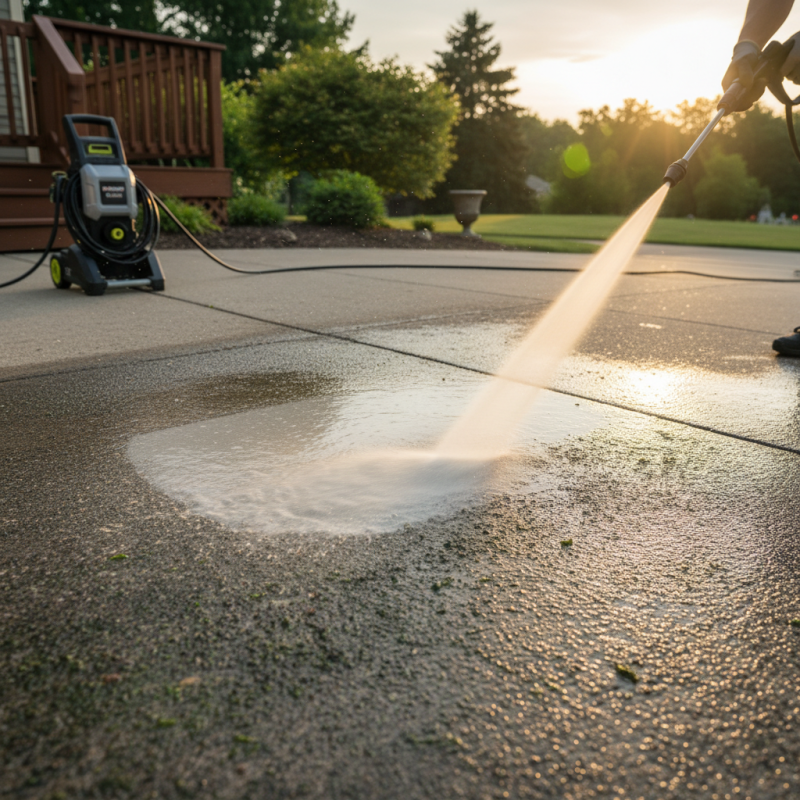
Importance of Pressure in Cleaning Systems
Pressure plays a crucial role in cleaning systems, impacting both efficiency and effectiveness.
High pressure helps to dislodge stubborn dirt and grime. This force can penetrate surfaces that brushes or cloths often cannot reach.
As a result, areas such as driveways and patios benefit significantly from pressure cleaning. It's about using the right level of pressure for each specific cleaning task.
Understanding the optimal pressure needed is vital. Too much pressure can damage surfaces, such as wood or delicate tiles.
Conversely, too little pressure may leave dirt behind, requiring additional effort. The balance is essential.
Observing how different materials respond can improve cleaning techniques.
Cleaning professionals often recommend starting at a lower pressure and adjusting as necessary.
It's also important to consider safety.
High-pressure cleaning can pose risks if not handled properly. Users must wear protective gear to prevent injuries.
Reflecting on techniques and safety measures is critical for achieving the best results.
Learning from each cleaning task can lead to better practices over time.
Ultimately, pressure is more than just a tool; it’s a necessary component of an efficient cleaning system.
How Pressure Enhances Cleaning Effectiveness
Pressure cleaning systems are crucial for achieving optimal cleanliness in various environments. The application of high pressure enhances the effectiveness of cleaning by increasing the impact of water on surfaces. According to a report by the International Pressure Washing Association, pressure cleaning can remove 99% of dirt, mold, and other contaminants from surfaces when done correctly. This effectiveness can significantly reduce the need for harsh chemicals, promoting a more environmentally-friendly cleaning solution.
Proper pressure levels are critical; too low may leave residue while too high can damage surfaces. For example, a pressure level of around 1500 PSI is often ideal for cleaning concrete, whereas wood surfaces require lower settings. Notably, industry studies indicate that high-pressure systems can cut cleaning time by up to 60%. However, improper use can lead to issues like surface etching or water penetration, highlighting the necessity for specialized training and expertise in operation.
The balance between pressure and technique is vital. Professionals recommend using a combination of pressure and appropriate cleaning agents. This approach improves effectiveness while ensuring safety for all surfaces involved. Continuous monitoring and adjustment during the cleaning process can further enhance results and minimize potential damages.
Pressure Types and Their Specific Applications
In cleaning systems, understanding pressure types is crucial. High-pressure systems often
reach levels above 3000 PSI. This is effective for heavy-duty applications, like removing graffiti or cleaning
industrial machinery. According to a report from the Cleaning Industry Research Institute, pressure washing can reduce
cleaning times by up to 75%. For surface cleaning, medium-pressure systems, around
1500 PSI, are often used. These are perfect for lighter tasks, such as residential driveways and sidewalks.
Low-pressure cleaning, under 500 PSI, is essential for delicate surfaces. It helps clean windows and softer
materials without risking damage. The right pressure reduces the risk of surface erosion, which is a common challenge in cleaning.
Studies show that using the improper pressure can cause up to 50% of potential damage
in sensitive areas. Additionally, varying angles and distances when spraying help control the force applied, ensuring effective
cleaning without harm.
Each application necessitates careful pressure selection and user expertise. Misjudging the required pressure can lead to
inefficiency or damage. The key lies in understanding specific needs. Cleaning professionals must continually refine their
methods to meet evolving standards in performance and safety.
Safety Considerations When Using High Pressure
Using high pressure in cleaning systems offers significant benefits, but it also raises important safety considerations. The force generated by high-pressure water can easily cause injuries. Operators must understand how to use the equipment safely. Protective gear is essential. This includes gloves, goggles, and sturdy footwear. Without proper gear, the risk of injury increases dramatically.
Another concern is the potential for damage. High pressure can strip paint, etch surfaces, or cause flooding. Each cleaning task requires careful planning. Assessing the surface material is crucial. Certain surfaces, like wood or delicate glass, may not withstand high pressure. Additionally, operators should be trained on pressure settings. Not every job needs the same intensity.
Training is vital for safe operation. A lack of knowledge can lead to accidents. Regular equipment maintenance also plays a critical role. Faulty machinery can malfunction and pose hidden dangers. It is essential to recognize these risks and consciously address them. Operators must remain vigilant and mindful of their environment to ensure safe cleaning practices.
Top 10 Reasons Why Pressure is Vital in Cleaning Systems
| Reason |
Description |
Safety Considerations |
| Effective Cleaning |
High pressure removes dirt and grime quickly. |
Requires protective eyewear to prevent injury. |
| Time Efficiency |
Speeds up the cleaning process significantly. |
Ensure proper technique to avoid slips. |
| Versatility |
Can clean various surfaces from concrete to fabric. |
Adjust pressure settings according to the surface. |
| Environmental Benefits |
Reduces the need for harsh chemicals. |
Use soap dispensers properly to minimize runoff. |
| Cost-Effectiveness |
Less man-hours lead to lower labor costs. |
Regular maintenance of equipment is essential. |
| Customization |
Pressure levels can be tailored for specific tasks. |
Always follow equipment manuals for adjustments. |
| Health and Safety |
Removes allergens and bacteria effectively. |
Wear a mask if sensitive to dust and particles. |
| Enhances Appearance |
Restores surfaces, making them look new. |
Test on a small area first to ensure no damage. |
| Accessibility |
Can reach high or difficult areas easily. |
Use safety harnesses when working at heights. |
| High Performance |
Consistent results across a variety of settings. |
Keep bystanders at a safe distance during use. |
Maintenance of Pressure Cleaning Systems for Longevity
Maintaining pressure cleaning systems is essential for their longevity and effectiveness. Proper care ensures materials and components perform at their best. Regular checks on hoses, seals, and connectors can prevent leaks and system failures. This practice helps in sustaining the optimal pressure necessary for effective cleaning.
Regular maintenance routines can significantly enhance the lifespan of pressure cleaning systems. Clean or replace filters to ensure proper water flow. Inspect pumps for any signs of wear or damage. If any unusual noises arise, it might indicate a bigger issue at play. Addressing these problems early can save money in repairs or replacements.
Tips: Always store your pressure cleaner in a dry environment. This prevents moisture-related damage. Schedule maintenance at regular intervals, ideally before peak cleaning seasons. Monitor the pressure regularly. If you notice fluctuations, troubleshoot the system immediately. These proactive measures can lead to enhanced performance and durability.
Conclusion
Pressure plays a crucial role in cleaning systems, enhancing both effectiveness and efficiency. This article explores why pressure is important in cleaning systems by examining its ability to remove dirt, grime, and stubborn stains with ease. Higher pressure not only speeds up the cleaning process but also reaches difficult areas that traditional methods may miss. Various types of pressure are tailored for specific applications, ensuring that the right level of force is applied for optimal results.
Moreover, while utilizing high-pressure cleaning systems, safety considerations must be prioritized to prevent accidents and injuries. Proper maintenance is essential to prolong the lifespan of these systems, ensuring they operate at peak performance. Overall, understanding the significance of pressure in cleaning systems empowers users to achieve superior cleaning results safely and efficiently.

 Dulles Equipment