2026 Top Tips to Reduce Water Consumption in Cleaning Operations?

Time:2026-05-19 Author:Charlotte
0%

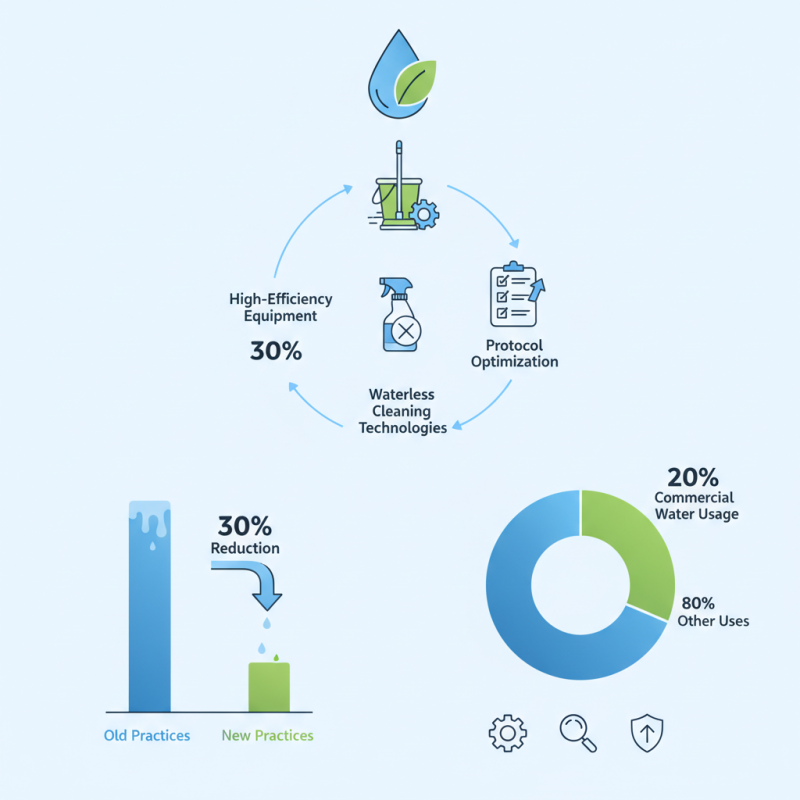
Water consumption in cleaning operations is a growing concern. Recent reports indicate that cleaning processes account for approximately 20% of water usage in commercial facilities. As sustainability becomes a priority, organizations are seeking methods on how to reduce water consumption in cleaning operations.

Effective strategies can lead to significant savings. For instance, using high-efficiency equipment can reduce water use by over 30%. Additionally, adopting waterless cleaning technologies is gaining traction. These methods not only conserve water but often result in better cleaning outcomes.

However, some challenges persist. Many facilities still rely on outdated practices that waste water. It's essential to evaluate existing protocols and identify areas for improvement. By focusing on innovation and efficiency, the cleaning industry can make strides towards reducing its environmental impact. Embracing new technologies and methods can help turn these challenges into opportunities for substantial water conservation.
2026 Top Tips to Reduce Water Consumption in Cleaning Operations?

Best Practices for Reducing Water Usage in Cleaning Processes

Cleaning operations consume significant water resources. Reports indicate that conventional cleaning methods can use up to 100 gallons of water per hour. Adopting best practices can substantially cut down this usage. For instance, utilizing microfiber cloths can reduce water consumption by up to 95% compared to traditional cleaning rags. These cloths trap dirt, minimizing the need for excess water.

Implementing advanced cleaning technologies can also aid in water conservation. Pressure washers can deliver high cleaning power with less water. Studies show that high-efficiency toilets and fixtures help reduce water usage in facilities by approximately 30%. Furthermore, regular maintenance of cleaning equipment prevents water leaks, which can waste thousands of gallons annually. However, there remains a gap in knowledge about integrating such technologies effectively.

Training staff on environmentally conscious cleaning practices is essential. Many employees are unaware of the impact of their actions. Simple changes, like using the right amount of cleaning solution, directly affect water usage. Peer-reviewed studies emphasize the importance of continuous learning in operational water management. As the industry pushes for sustainability, it's crucial to reflect on the water-saving methods already at our disposal.

Innovative Tools and Technologies to Minimize Water Consumption

Innovative tools and technologies play a significant role in reducing water consumption in cleaning operations. Various studies indicate that utilizing advanced cleaning equipment can cut water usage by up to 40%. For example, high-efficiency scrubbers and pressure washers use less water while achieving better cleanliness standards. These innovations not only conserve water but also improve operational efficiency.

One notable trend is the adoption of water recycling systems. These systems capture and purify used water for reuse during cleaning cycles. According to a report by the International Water Association, such systems can save up to 70% of water in large facilities, presenting a compelling case for their broader implementation.

Moreover, technological advancements in cleaning agents and techniques have shifted the industry's focus toward using less water. Enzyme-based cleaners, for instance, require minimal rinsing, which decreases overall water usage. However, the implementation of these technologies is not without challenges. Some cleaning staff may require additional training to adjust to new methods and tools. This transition can pose hurdles, but the long-term benefits are clear and noteworthy.

Eco-Friendly Cleaning Chemicals and Their Water Efficiency

In recent years, the demand for eco-friendly cleaning chemicals has surged. These products often require less water to be effective compared to traditional cleaners. Many formulations utilize natural ingredients, which can simplify the cleaning process. This can lead to significantly reduced water usage without sacrificing cleanliness.

However, there's a catch. While these green cleaning solutions are efficient, their effectiveness depends on proper application. Incorrect dilution or insufficient contact time can lead to subpar results. It's crucial to educate staff on best practices. Training can bridge the gap between intention and outcome, ensuring that water savings translate into effective cleaning.

Moreover, it's essential to evaluate the full lifecycle of cleaning products. Sustainable packaging and disposal methods matter. Scrutinizing every aspect can raise awareness about water conservation beyond mere consumption. Striving for improvement is vital, as the industry continues to evolve. Embracing these practices will play a big role in shaping a sustainable future.

2026 Top Tips to Reduce Water Consumption in Cleaning Operations

This chart illustrates the estimated water savings potential of various eco-friendly cleaning methods and products. The data reflects the average water consumption reduction based on best practices in cleaning operations. As shown, utilizing microfiber cloths and water-efficient cleaning chemicals significantly reduces water usage.

Training and Awareness Programs for Staff on Water Conservation

Training staff on water conservation is crucial for cleaning operations. Implementing effective training programs helps employees understand the value of water-saving practices. Regular workshops and seminars can increase awareness and foster a culture of conservation. Create engaging materials that highlight the importance of reducing water usage.

Tips for effective training include interactive sessions. Use role-playing scenarios that mimic real-life cleaning tasks. This hands-on approach encourages staff to think critically about their water consumption. Incorporating visual aids and infographics can also enhance understanding.

Reinforcement through reminders can be beneficial. Encourage teams to share their water-saving successes. Celebrating small victories fosters motivation and accountability. Remember, even minor changes can lead to significant savings. Engaging staff in discussions about their challenges will also create a supportive environment. This way, everyone feels involved in the solution.

2026 Top Tips to Reduce Water Consumption in Cleaning Operations

Tip Description Expected Savings (%) Implementation Difficulty
Train Cleaning Staff Provide training on effective techniques to minimize water usage. 30% Medium
Use Eco-Friendly Products Adopt cleaning products that require less water for rinsing. 20% Low
Implement Water-Saving Equipment Utilize equipment designed to use less water. 25% High
Monitor Water Usage Track water consumption to identify areas for improvement. 15% Medium
Schedule Cleaning Efficiently Plan cleaning schedules to optimize water use. 10% Low

Monitoring and Evaluating Water Usage in Cleaning Operations

Monitoring and evaluating water usage in cleaning operations is essential for sustainability. According to the U.S. Environmental Protection Agency, commercial cleaning can consume up to 40% more water than necessary. This inefficiency often stems from outdated practices and a lack of real-time data. Implementing water meters and monitoring systems can help organizations pinpoint how much water is used in various cleaning tasks.

Regular evaluations reveal patterns and highlight where water-saving measures can be effective. For example, data from a recent industry report indicated that using automated cleaning technologies reduced water consumption by nearly 30%. However, many operations still rely on traditional methods, which can lead to excessive water waste. It’s crucial to embrace innovation and stay informed about new technologies that can optimize water use.

Many companies struggle to effectively assess their water consumption. Often, there’s simply a lack of accountability or oversight. Without proper data collection methods, organizations risk making uninformed decisions. Solutions include investing in smart technology that tracks usage consistently. When this data is properly analyzed, realistic targets can be set. This can lead to significant cost savings and support broader environmental goals.

FAQS

: How can innovative tools help reduce water usage?

: Innovative tools can cut water consumption by up to 40% in cleaning operations.

What are water recycling systems?

Water recycling systems capture used water and purify it for reuse, saving up to 70% in facilities.

Why are eco-friendly cleaning chemicals gaining popularity?

They often use less water than traditional cleaners while maintaining cleaning effectiveness.

What challenges come with adopting new cleaning technologies?

Cleaning staff may need extra training to effectively use new tools.

How do enzyme-based cleaners contribute to water efficiency?

They require minimal rinsing, which decreases overall water usage during cleaning.

What is crucial for the effectiveness of eco-friendly cleaners?

Proper application, such as correct dilution and contact time, is essential for their efficiency.

Why is staff training important in water-saving practices?

Training ensures staff can implement best practices, maximizing water savings and cleaning results.

What should be considered beyond water usage in cleaning products?

Evaluate packaging and disposal methods, as they also impact water conservation efforts.

Are there any downsides to implementing these technologies?

Transitioning to new methods can pose hurdles and may require time for staff adjustment.

How can the cleaning industry evolve sustainably?

By embracing eco-friendly practices and improving water conservation methods together.

Conclusion

In the pursuit of sustainability, understanding how to reduce water consumption in cleaning operations is crucial. Implementing best practices such as adopting efficient cleaning methods and utilizing innovative tools and technologies can significantly minimize water usage. For instance, using high-pressure cleaning equipment can reduce the amount of water needed while still achieving effective results.

Additionally, the adoption of eco-friendly cleaning chemicals can enhance water efficiency, reducing the environmental impact of cleaning processes. Training and awareness programs for staff play a vital role in promoting water conservation practices within teams. Regular monitoring and evaluation of water usage can help organizations identify areas for improvement and track progress in their water-saving initiatives. Together, these strategies create a comprehensive approach to optimizing water usage in the cleaning industry.

Charlotte

Charlotte

Charlotte is a seasoned marketing professional with a deep understanding of the company's portfolio and a passion for elevating its presence in the market. With a keen eye for detail and a commitment to excellence, she ensures that our professional blog is regularly updated with insightful articles......