Engineered for high performance, maximum safety, and resource efficiency. Explore our frontline systems deployed globally.
In the modern macro-industrial and urban development framework, cleaning is no longer categorized merely as a routine maintenance task. It has evolved into a critical operational discipline directly impacting asset longevity, process safety, environmental compliance, and human health. The transition from labor-intensive manual cleaning to high-efficiency automated systems has accelerated globally. Driven by acute labor shortages, strict environmental mandates, and occupational hazards, automated industrial cleaning platforms and advanced robotics represent a primary vector of technological advancement.
This document outlines the macro industrial landscapes, technological architectures, and real-world implementations of robotic and mechanical cleaning technologies designed and exported by China's leading innovators. By merging high-pressure fluid engineering with robotic positioning, autonomous navigation, and specialized closed-loop mechanisms, China is reshaping how global manufacturing, municipal, marine, and commercial operations handle surface preparation, decontamination, and line maintenance.
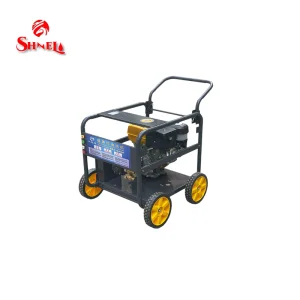
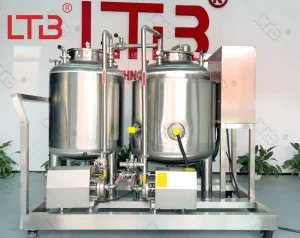
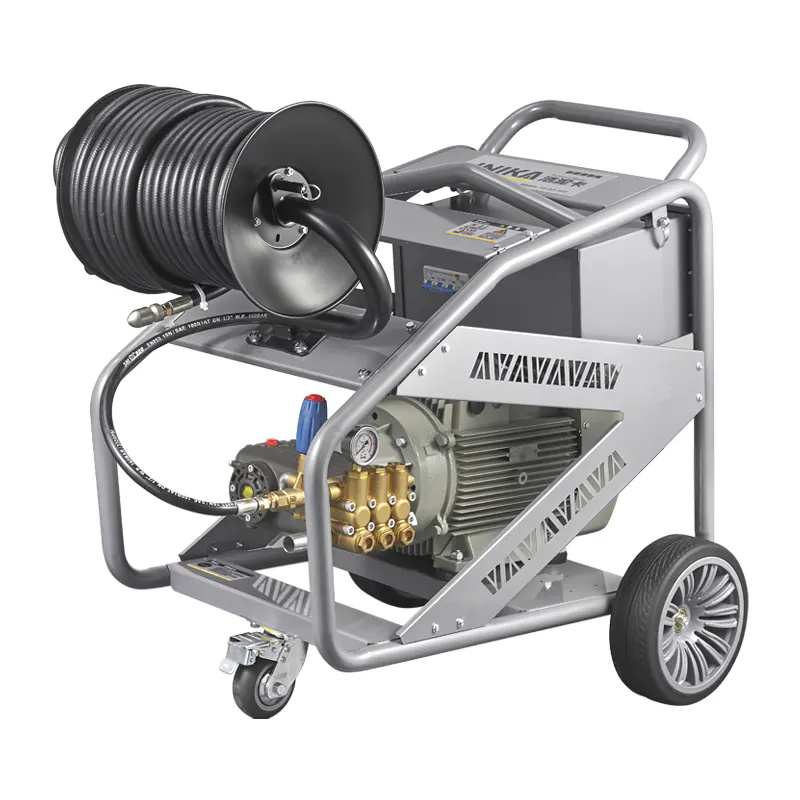
Established as a pioneer in cleaning mechanical system R&D, Foshan Dulles Equipment Co., Ltd. has led industrial pressure washer engineering for over three decades. Beginning with the development of the first general home pressure washer in 1995, Dulles has continually evolved its technologies to meet highly demanding commercial, industrial, and municipal environments. The modern Dulles product matrix spans heavy-duty explosion-proof pressure washers, custom Clean-In-Place (CIP) systems, intelligent sewer and pipeline cleaners, aerial high-rise cleaning UAVs, and municipal driving sweeping platforms.
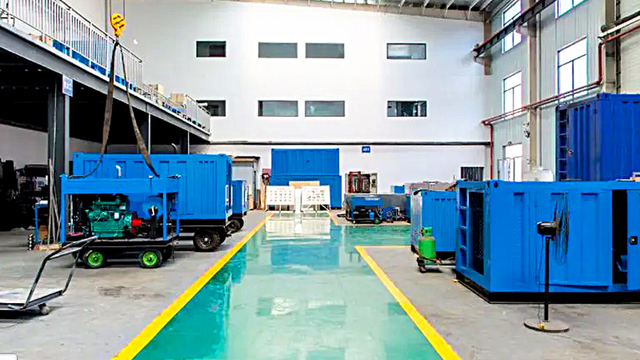
Supported by a self-built testing laboratory, automated assembly lines, and high-precision quality control instruments, the organization maintains a standard of reliability validated by 3C, CE, and ISO certificates. Dulles' engineering framework integrates structural design with advanced fluid dynamics to export solutions that lower energy footprint, optimize water volume, and protect field operators.
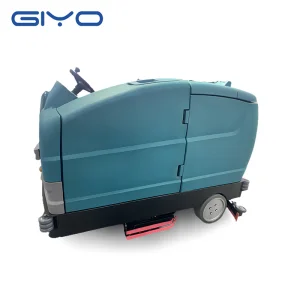
The global cleaning automation market is experiencing structural transformations. In the commercial sector, autonomous floor scrubbers, vacuum sweeps, and disinfection platforms are replacing traditional manual maintenance in airports, hospitals, shopping centers, and logistics hubs. By using LiDAR, RGB-D cameras, and SLAM (Simultaneous Localization and Mapping) protocols, these systems navigate complex foot-traffic environments safely.
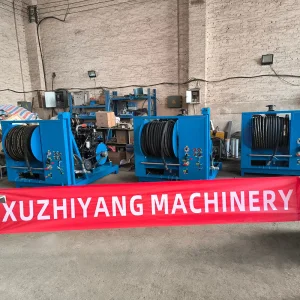
In heavy industrial zones (chemical plants, shipyards, refineries, and municipal networks), the definition of "cleaning robotics" shifts to mechanical automation. Here, the challenge is handling hazardous environments, high temperatures, and high pressures. Deploying human operators to clean toxic pipeline lines, scrape marine hulls at dry dock, or clean high-altitude glass facades presents high safety risks. China's top manufacturers solve these challenges by building specialized heavy-duty systems:
Four main technological pillars define the next generation of industrial and commercial cleaning systems:
Advanced high-pressure machines now integrate real-time water recovery, filtration, and recycling loops. This reduces fresh-water consumption by up to 80% and prevents hazardous runoff.
Transitioning from fixed-function equipment to modular layouts allows quick adaptation. Operators can swap standard pressure nozzles for rotary blasting heads, duct line crawlers, or surface scrubbers.
Continuous monitoring of pump temperatures, pressure variations, fluid levels, and motor performance enables predictive maintenance, avoiding unplanned operational downtime.
Different industries face distinct cleaning challenges. Customized solutions are necessary to resolve these specific pain points:
Looking forward, the mechanical cleaning industry is moving toward fully autonomous systems. Foshan Dulles' engineering roadmap focuses on integrating advanced navigation, AI control loops, and zero-emission power configurations:
1. Intelligent Flow Adaptation: Future pumps will use variable frequency drives and AI controllers to adjust pressure and water volume dynamically based on real-time surface contamination feedback. This optimizes fuel/power and water consumption.
2. Zero-Emissions Electric & Hydrogen Drives: As global regulations limit fossil fuel use, manufacturers are transitioning heavy diesel engines to high-capacity battery systems or hydrogen fuel cells. This allows indoor operation and matches strict carbon-neutral targets.
3. Collaborative Fleet Systems (Swarm Intelligence): In large shipyards or extensive urban pipe systems, multiple autonomous cleaning units will communicate in real time, coordinating tasks to maximize surface coverage and reduce overall execution time.
Leverage our 30+ years of industrial fluid mechanics and custom system R&D. Our engineers provide tailored technical specifications, component selections, and integration schematics within 24 hours.
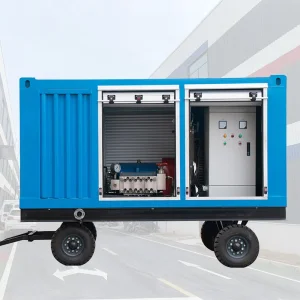
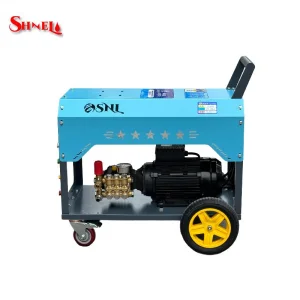
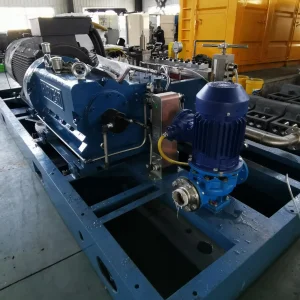
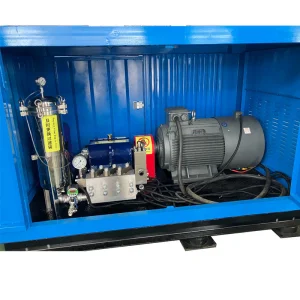
High-pressure washing typically operates up to 350bar. This range is ideal for surface dirt, grease, and light paint removal. Ultra-high pressure (UHP) hydro-demolition and rust removal equipment runs at pressures from 1000bar up to 2800bar. At these levels, the water jet cuts through solid concrete, strips industrial coatings, and cleans marine rust down to bare metal without the need for chemical solvents or abrasive grit.
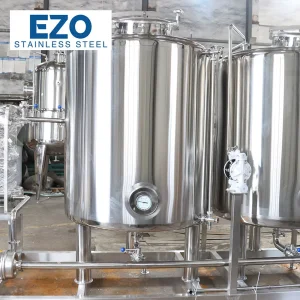
Our Stainless Steel Online CIP systems use closed-loop routing and precise monitoring. Instead of single-use fluid discharging, the system monitors wash water parameters like conductivity, pH, and turbidity. It filters and recirculates washing chemicals and rinse water. This automated process minimizes chemical usage, decreases wastewater volume, and saves heating energy.
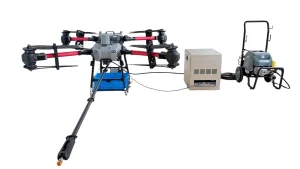
Safety features include multiple redundant systems. The drone receives power and high-pressure fluid through a secure ground-tether line, allowing continuous operation. Onboard flight controllers handle wind drift, while an automatic descent mode activates in case of signal loss, returning the UAV safely to the ground.
Yes, our customized industrial systems are available in explosion-proof (Ex-proof) versions. They feature ATEX/IECEx certified motors, anti-static components, copper-plated components to prevent sparking, and sealed control panels. These safety options make them suitable for oil refineries, chemical plants, offshore oil rigs, and mining shafts.
Every exported system comes with detailed technical documentation: CE and ISO compliance certificates, performance graphs, schematic diagrams, complete parts breakdowns, and operational manuals. Dulles also provides video tutorials and offers direct remote video support with our technical team.
Explore our highly specialized automated systems designed for high-stress operations and extreme cleaning tasks.
 Dulles Equipment