Integrating high-performance mechanical systems with specialized cleaning chemistry delivers optimal surface treatment and decontamination results.
In modern heavy industries, the demand for cleaning efficacy has transitioned from simple visual cleanliness to microscopic, residue-free surfaces. Industrial cleaning processes rely on the synergistic effect between industrial cleaning agents (chemical energy) and high-pressure or ultrasonic equipment (mechanical energy). Choosing the right industrial cleaning agent manufacturer requires an in-depth understanding of how chemical surfactants, solvents, and builders interact with automated deployment hardware under variable temperatures and pressures.
Whether executing Clean-In-Place (CIP) cycles in food processing, stripping rust from ship hulls, cleaning heat exchangers in chemical plants, or degreasing micro-components in electronics, the target contaminant determines the formulation. However, the hardware determines the delivery efficiency. As global environmental mandates tighten, manufacturers are pivoting toward bio-based, low-VOC, and biodegradable aqueous formulations designed to run within closed-loop mechanical recycling systems.
With more than 30 years of research and development in cleaning mechanical systems, Foshan Dulles Equipment Co., Ltd. stands as a pioneer in the high-pressure washing and precision mechanical cleaning industries. Established as one of the earliest domestic enterprises to engineer pressure washers, Dulles has adapted to the growing global market demand for environmentally friendly, high-efficiency cleaning solutions.
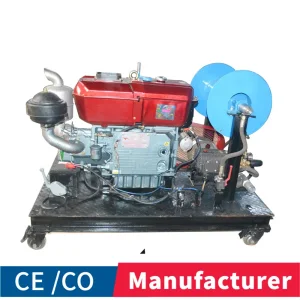
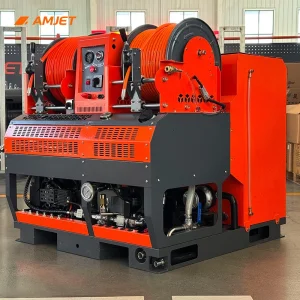
Since developing our first residential pressure washer in 1995, Dulles has continually expanded its technology portfolio. Today, our catalog spans commercial and industrial pressure washers, explosion-proof high-pressure systems, sewer drain cleaners, fogging systems, electric sewer cleaners, gasoline-powered dredge systems, and intelligent environmental control units.
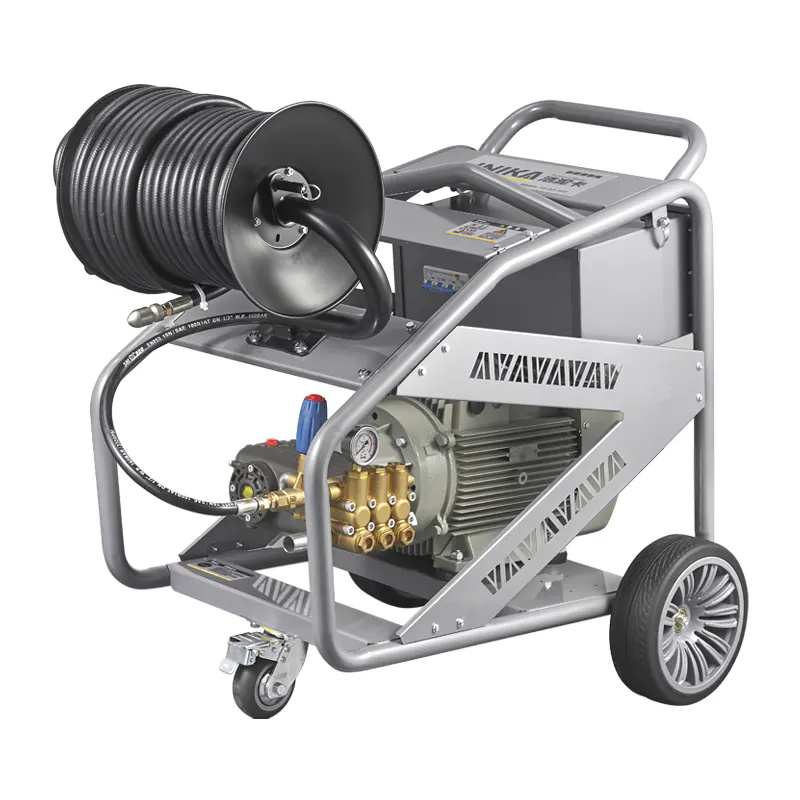
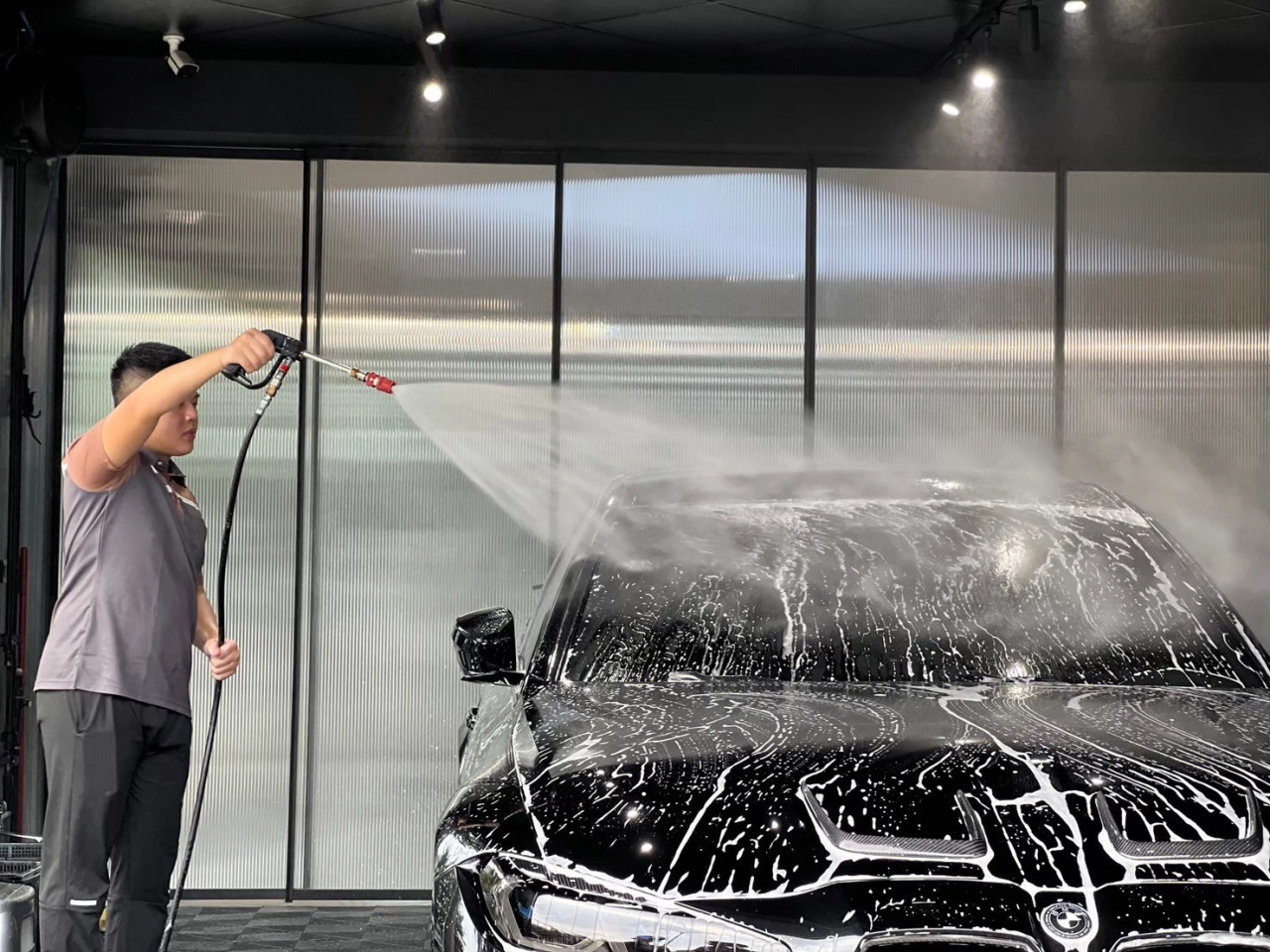
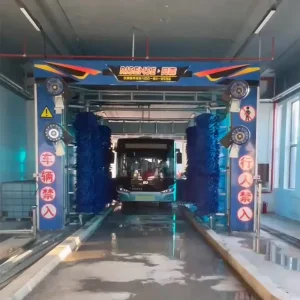
Our engineering solutions are applied in critical sectors: industrial chemical production, ship hull rust removal, municipal bridge maintenance, mining dust suppression, municipal pipe dredging, and commercial transport washing systems. Each equipment series carries 3C, CE, and ISO certifications, backed by proprietary design patterns for our high-pressure pump units.
To maintain batch consistency, our self-built R&D laboratory utilizes high-precision testing instruments alongside automated assembly lines. Supported by 24/7 technical pre-sales and after-sales channels, Dulles exports globally, providing comprehensive mechanical systems that match the application requirements of the world's leading chemical cleaning formulations.
China's industrial cleaning supply chain has evolved from basic chemical blending to highly integrated equipment and formulation design. Sourcing from Chinese manufacturers offers critical advantages for global procurement departments:
From raw surfactants to precision mechanical pumps, CNC components, and digital PLCs, the entire supply chain is geographically concentrated. This minimizes lead times and accelerates product prototyping.
Top-tier manufacturers maintain compliance protocols aligned with European REACH, RoHS, US EPA, and national Chinese green chemical regulations, ensuring smooth custom clearance processes.
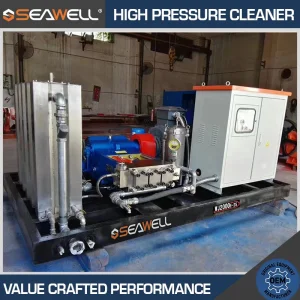
Whether procuring standard batches or designing customized high-pressure cleaning systems (up to 200MPa), Chinese manufacturing plants offer flexible scale configurations to meet sudden increases in global demand.
Navigating cross-border environmental regulations requires deep technical and legal documentation. As industrial cleaning agents contain active chemical ingredients (e.g., chelators, alkaline builders, emulsifiers), their application is subject to local chemical regulations like ECHA REACH in Europe or TSCA in North America.
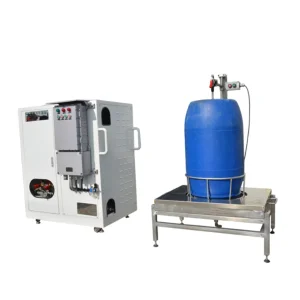
Dulles Equipment integrates its high-pressure delivery systems to match these requirements, supporting low-VOC, neutral-pH, and solvent-free formulations. Furthermore, our custom manufacturing services supply systems fitted with ATEX or Class I Div I/II explosion-proof motors, fulfilling site safety compliance criteria in hazardous chemical zones.
Our support structures bridge the localization gap with dedicated multi-lingual engineering teams. We provide remote system commissioning, layout drawings, and detailed material compatibility matrices to ensure that the cleaning machinery operates in harmony with local chemical inputs without causing corrosion or seal failures.
The industrial cleaning sector is experiencing a technological transition driven by automation, environmental accountability, and Total Cost of Ownership (TCO) optimization. Global buyers are moving away from manual, labor-intensive cleaning processes. Key vectors shaping the market include:
Regulatory crackdowns on halogenated solvents and high-VOC compounds are driving the adoption of aqueous-based agents. These systems rely on mechanical action (high pressure, cavitation) to match the solvency of historical chemical formulations.
Modern factories demand washing systems equipped with separation technologies (e.g., oil skimmers, membrane filtration) to recycle the cleaning water and chemicals, reducing waste-treatment costs.
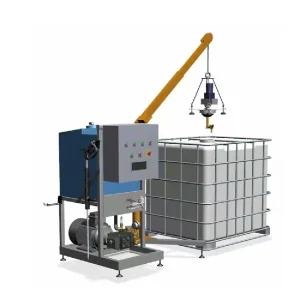
Clean-in-Place (CIP) systems are integrating IoT sensors, conductivity meters, and smart dosage pumps to automatically monitor wash concentration, cycle time, and water consumption, lowering human error risks.
Different industries require specific pressure, temperature, and chemical chemistry combinations. Below are the engineering requirements for standard applications:
Hardened organic polymers and calcified scaling inside heat exchangers demand a chemical-mechanical combo. Dulles ultra-high-pressure pumps (up to 200MPa) force scale-softening chemical cleaners into tubes to strip residue without damaging base metallurgy.
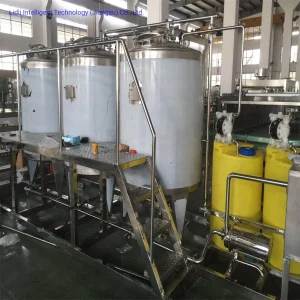
Automated spray balls and high-efficiency CIP washing systems dispense alkaline agents (for protein removal) followed by acidic rinses (for mineral scale), sanitized via thermal pasteurization loops to ensure compliance with FDA guidelines.
Fat, oil, and grease (FOG) build-ups block underground municipal infrastructure. High-flow sewer cleaners (up to 92 Gpm) combined with biological surfactant agents break down grease blockages and clear sand, grit, and structural debris.
Barnacles, rust, and old anti-fouling paint create drag on hulls. High-pressure hydro-blasting systems running above 100MPa utilize freshwater to strip these layers, preparing surfaces for epoxy coatings without using toxic chemical paint strippers.
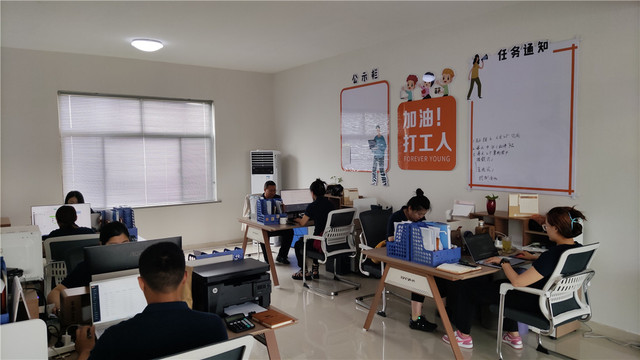
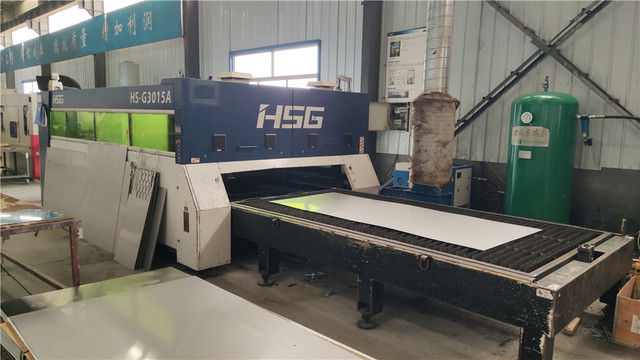
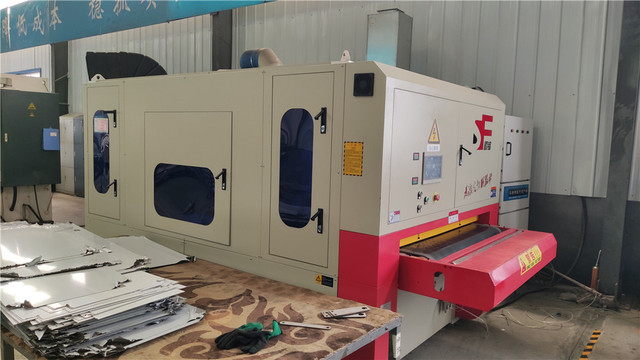
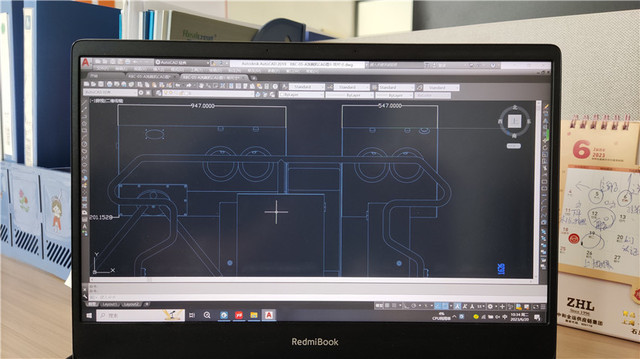
Take a virtual tour of the Foshan Dulles factory floor, showing our high-precision assembly lines, testing bays, and logistics operations.
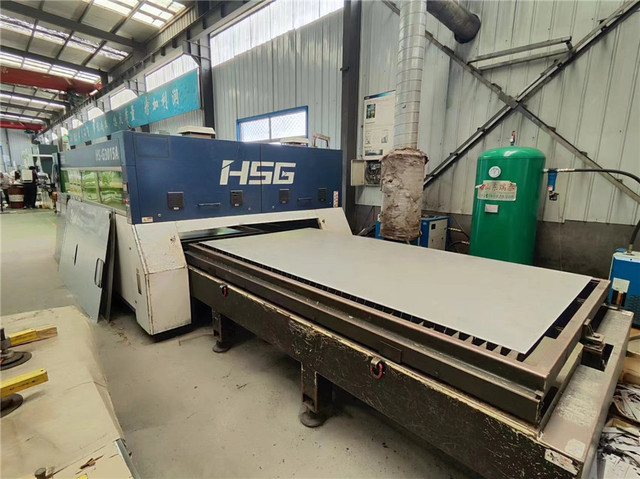
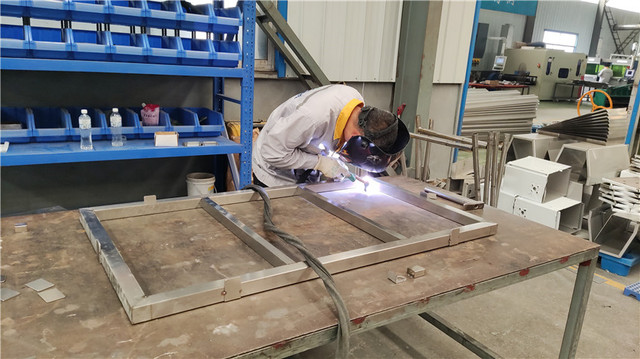
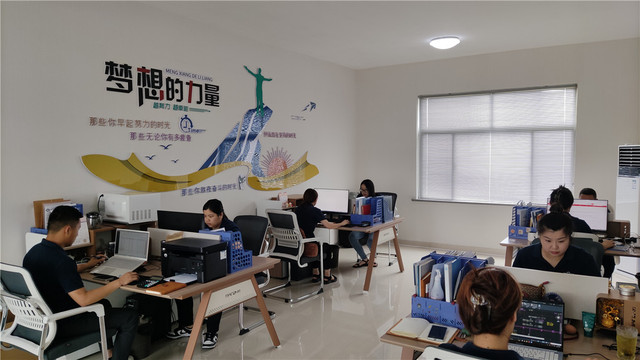
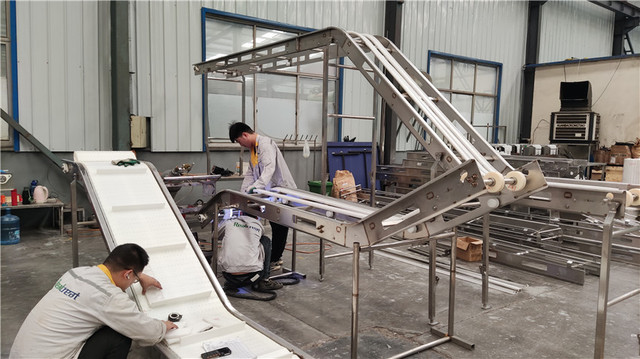
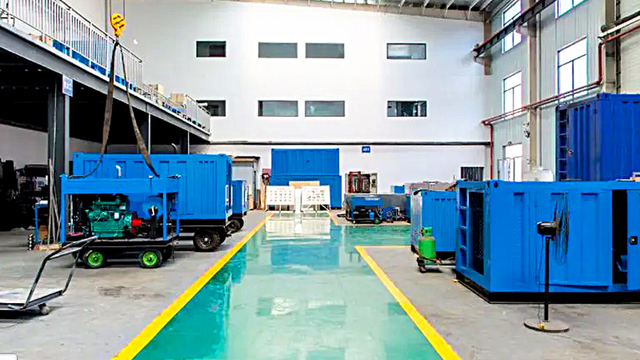
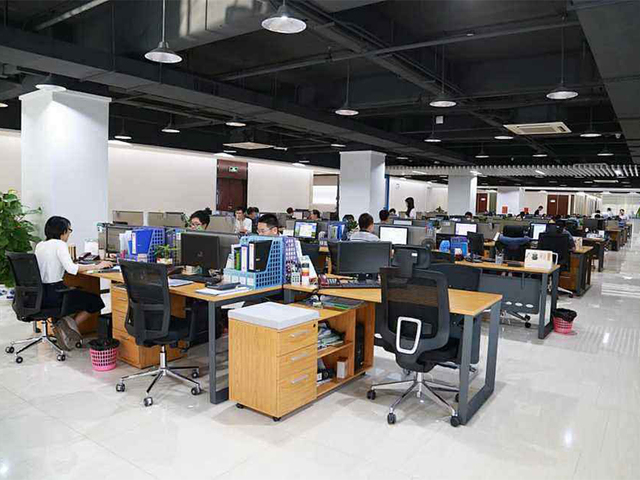
Answering the primary query requirements of global engineering and procurement managers.
Browse our complete high-pressure water jetting, CIP, and automated cleaning machinery catalog designed for demanding production environments.
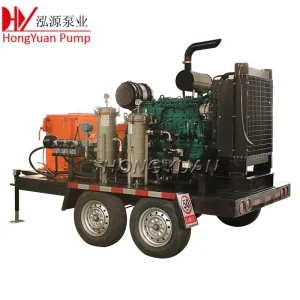
 Dulles Equipment