Analyzing modern infrastructural standards, maintenance challenges, and diagnostic trends across the globe.
The global pipeline network, serving municipal sewage, petrochemical transit, natural gas distribution, and heavy manufacturing, acts as the primary vascular system of modern industrial society. As this infrastructure ages, the threat of structural degradation, blockages, corrosion, and environmental contamination escalates. Standard reactive maintenance is no longer viable due to massive disruption costs, regulatory fines, and public safety issues.
Consequently, municipal and industrial operators are shifting toward predictive and preventive maintenance methodologies. Accurate inspection, paired with high-performance cleaning technology, is the cornerstone of this evolution. Advanced pipe inspection tools and high-pressure washing machinery operate in tandem, providing clear visualization before, during, and after dredging, ensuring the integrity of critical pipeline assets.
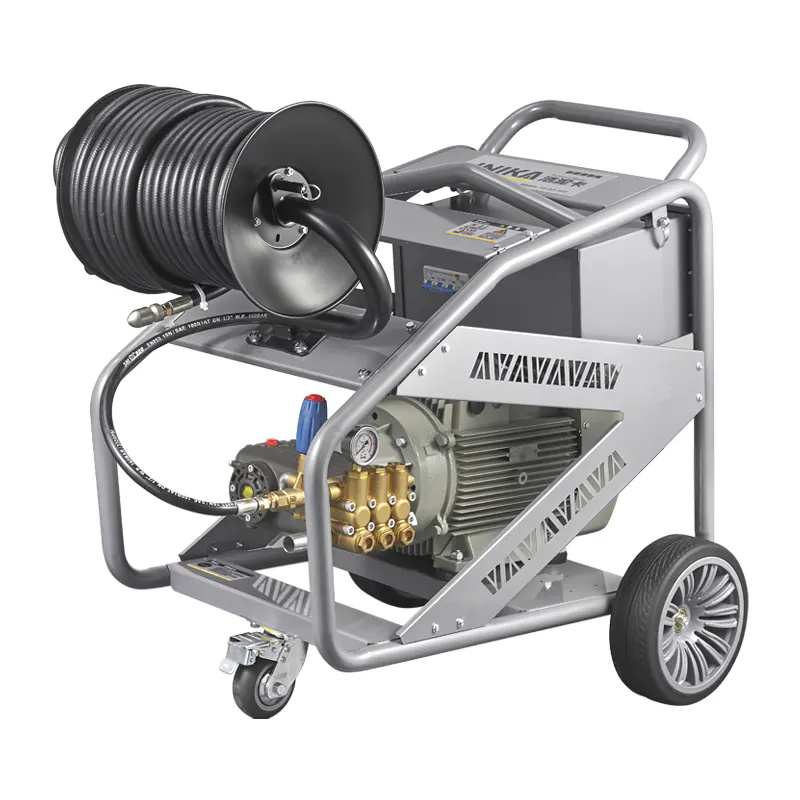
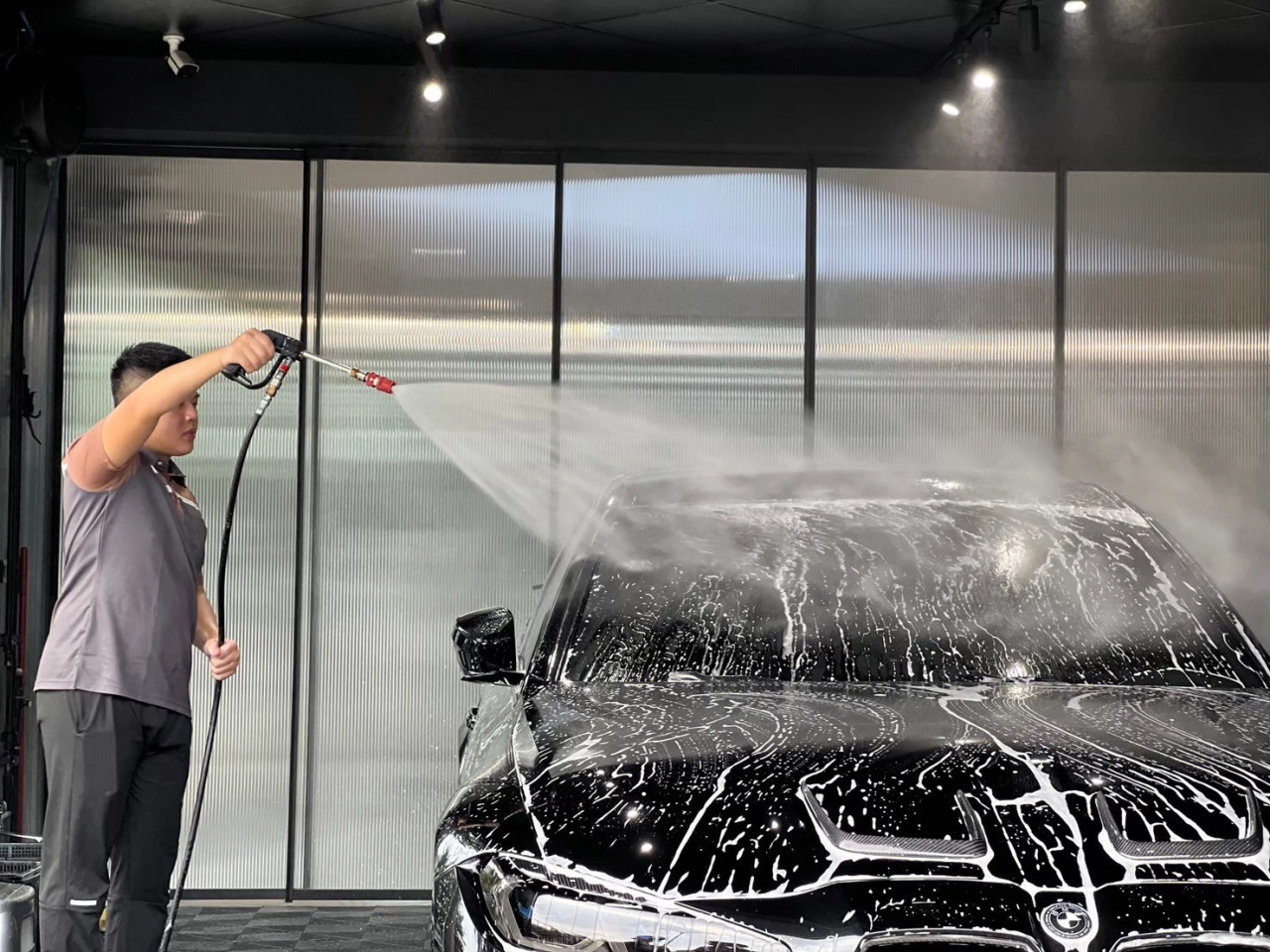
Founded on a commitment to robust mechanical system research and development, Foshan Dulles Equipment Co., Ltd. has spent over three decades establishing its position in the pressure washer and industrial maintenance industry. As one of the earliest firms to focus on high-pressure fluid mechanics in China, we have developed our expertise step-by-step.
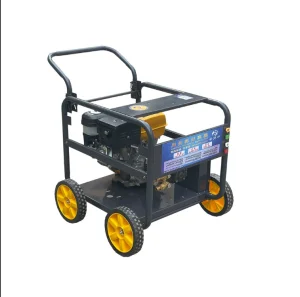
Our journey began in 1995 with the successful introduction of our first general home pressure washer. Since then, we have expanded our design capabilities to meet evolving municipal and commercial demands. Today, our product catalog features specialized machinery including commercial and industrial pressure washers, explosion-proof high-pressure cleaning units, sewer machine drain cleaners, electric sewer cleaners, gasoline dredge cleaning machines, and intelligent fogging units. Our integration of advanced diagnostic support tools and robust cleaning machinery enables us to provide complete pipeline maintenance solutions for demanding environments.
How localized supply chain integration translates to premium reliability and competitive TCO for global procurers.
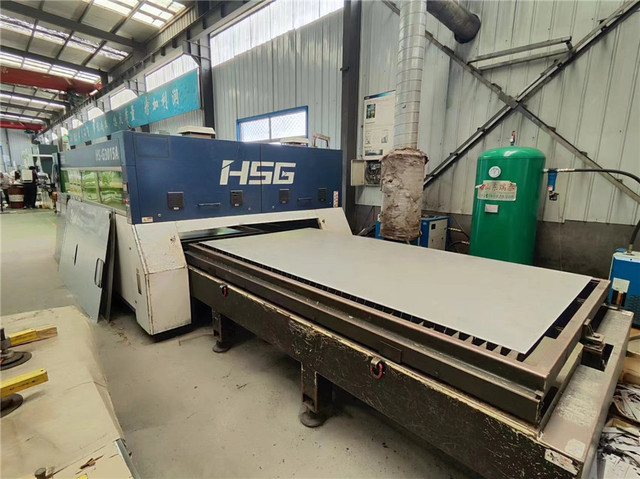
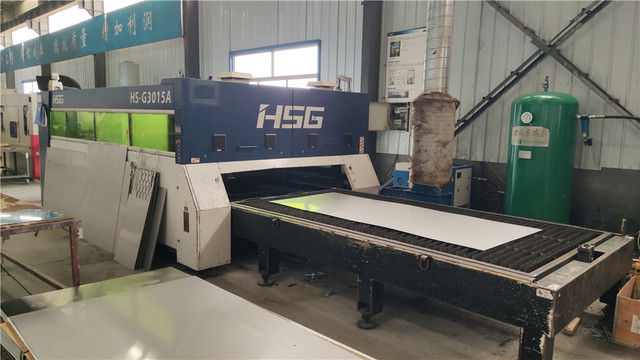
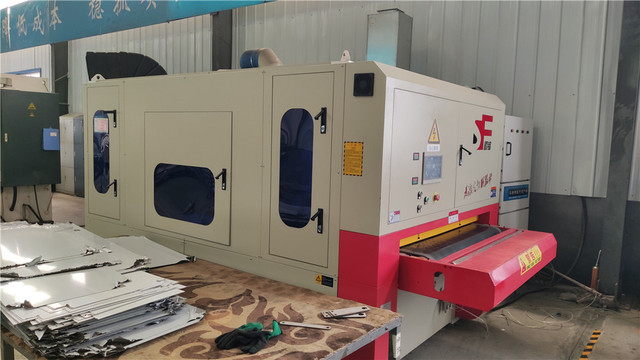
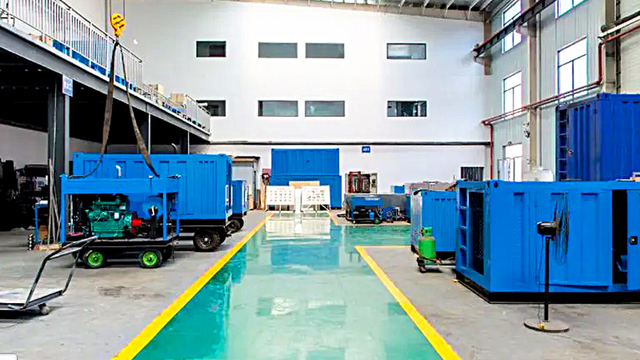
Our self-built laboratory and automated assembly lines use high-precision testing equipment to verify the pressure tolerance, thermal limits, and service life of every component before assembly.
Our entire product range holds CCC (3C), CE, and ISO certifications. We maintain multiple design patterns and utility patents for our proprietary high-pressure pumps and diagnostic equipment configurations.
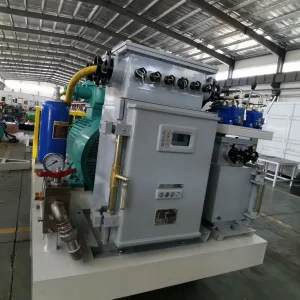
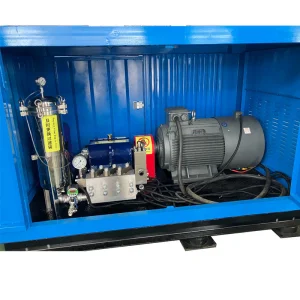
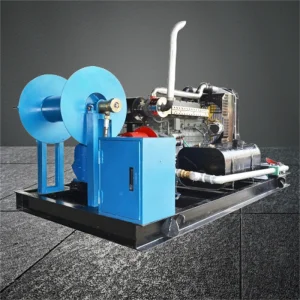
Whether you require special diesel engines for field operation (like our 210bar sewer system) or high-flow configurations for industrial cleaning (such as our 500lpm unit), we offer tailored engineering support.
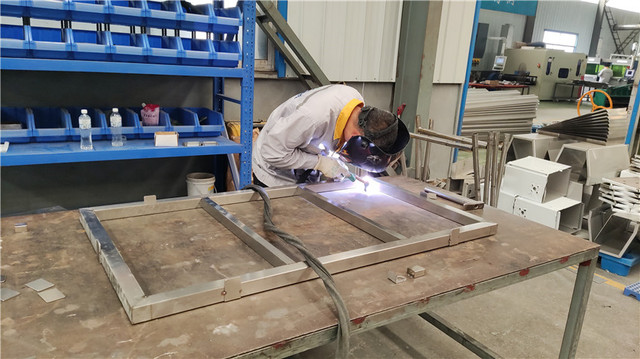
China's manufacturing ecosystem provides direct access to high-grade raw materials (like SUS304 stainless steel used in our CIP systems) and specialized component suppliers. This concentration of resources allows Foshan Dulles to balance cost-efficiency with high-precision engineering, helping global buyers achieve competitive capital expenditure without compromising on quality or performance.
How pipe cleaning, diagnostics, and pressure washer systems operate in real-world scenarios.
Municipal sewer mains are prone to fatberg accumulation, root intrusion, and sediment buildup. Heavy-duty sewer cleaners, including diesel-driven high-pressure units, are paired with specialized nozzles to break down blockages. Integrated inspection cameras are then used to document the clean pipelines, providing evidence of municipal compliance.
Petrochemical and manufacturing facilities use pipelines to transport materials that leave behind corrosive scale and deposits. Regular inspection identifies early warning signs of wear, while high-flow, cold-water cleaning equipment (operating up to 500L/min) strips out scaling without damaging the pipe substrate.
Shipyards and offshore structures deal with heavy marine growth and salt crusting. High-pressure hydro-blasting units are used to clean ballast pipes and prepare hull surfaces for protective coatings.
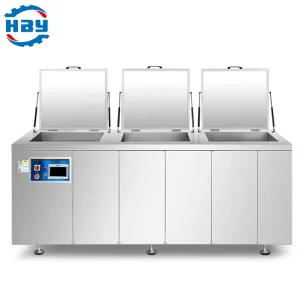
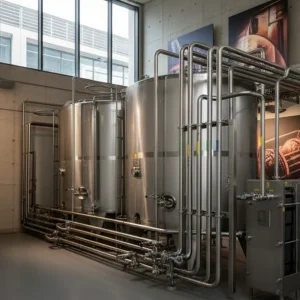
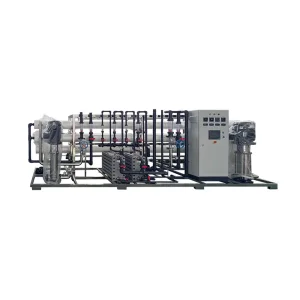
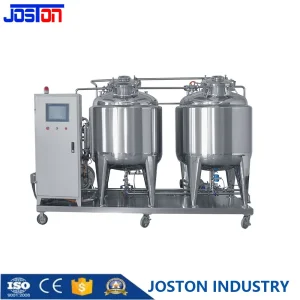
Hygiene is critical in sanitary environments. Automatic Clean-in-Place (CIP) systems, constructed from SUS304 or SUS316 stainless steel, utilize targeted chemical routing and heat parameters to clean processing tanks and fluid loops, eliminating the need for teardowns.
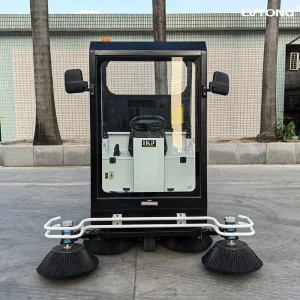
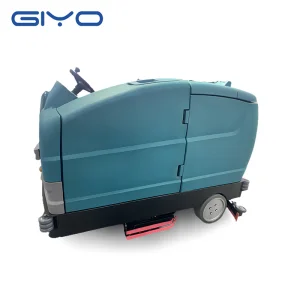
Large hospital systems, shopping malls, and transport hubs require clean public spaces. Ride-on washing and sweeping machines help facilities maintain floor safety, managing waste before it can enter and block the building's drainage system.
Key technological shifts and quality metrics shaping the purchase decisions of global engineering firms.
Modern inspection tools are moving beyond simple video feeds. AI-enabled image analysis can automatically identify, categorize, and log pipe defects like cracks, root infiltration, and corrosion levels. This reduces human error and shortens reporting timelines for asset managers.
With tightening emissions standards in Europe and North America, there is strong demand for alternative power sources. While diesel units remain essential for high-power field applications, electric-driven options and hybrid designs are gaining ground in municipal and indoor settings.
Water conservation is a key priority for modern operations. Modern sewer cleaning units are increasingly paired with water-recycling vacuum trucks. These systems filter and reuse wastewater from the sewer line, saving resources and keeping the machine in operation longer without refill stops.
Equipment longevity is critical for project ROIs. Buyers look for ceramic pump plungers, stainless steel plumbing manifolds, and heavy-duty chassis designs that can handle transport vibrations and harsh environmental conditions.
Get answers to common technical and sourcing questions from our engineering team.
Diesel-powered units offer high mobility and are ideal for municipal and remote environments where electrical hookups are unavailable. They provide the necessary horsepower for heavy dredging applications (e.g., 210bar and above). Electric units are better suited for indoor, commercial, or noise-sensitive environments like hospitals or food plants, where exhaust fumes and noise must be minimized.
While pressure (bar) fractures hard blockages and cuts through roots, the water flow rate (Liters per minute) carries the debris back down the line. Without adequate flow, dislodged materials will settle back in the pipe, leading to re-blocking. Balancing high pressure with high flow ensures thorough flushing.
CIP systems automate the sanitation of processing equipment without disassembly. This reduces clean-down times, limits manual handling of chemicals, and maintains consistent sanitation standards. These benefits are key for pharmaceutical, dairy, and beverage facilities.
We use high-precision testing equipment in our laboratory to check all incoming components, including manifolds, plungers, and seals. Our automated assembly lines help maintain consistent production standards, and every completed machine undergoes diagnostic testing before shipment to verify performance parameters.
 Dulles Equipment