Engineered for maximum thermodynamic stability, automated pipeline scouring, and closed-loop process sanitation.
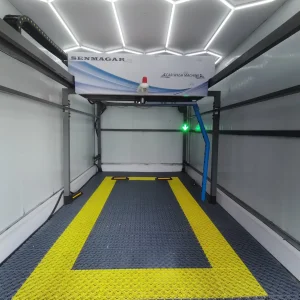
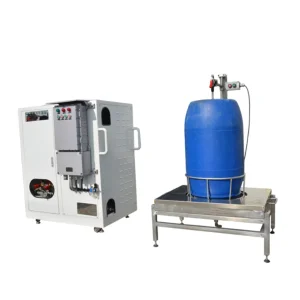
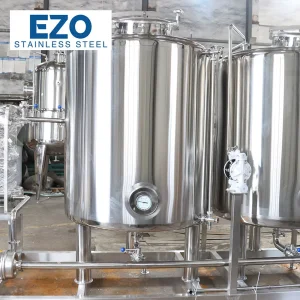
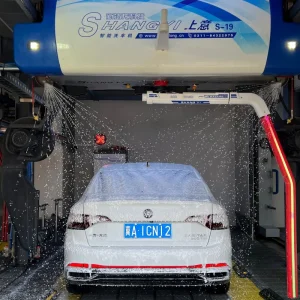
The global paradigm for commercial and industrial sanitation is shifting away from highly centralized, water-intensive procedures to decentralized, smart, localized cleaning technologies.
Modern manufacturing plants, pharmaceutical cleanrooms, civil infrastructure project managers, and heavy marine shipyards face growing environmental pressures to minimize water waste, eliminate chemical discharges, and lower operational down-time. Portable high-pressure jet washing units solve these challenges by focusing hydraulic shear stress exactly where it is required.
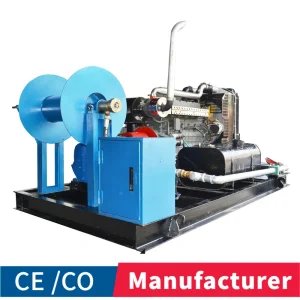
Whether clearing complex biological matrices in food lines through automated Clean-in-Place (CIP) systems or using heavy diesel-driven mobile units to descale pipeline blockages in industrial processing plants, modular high-pressure washing systems serve as critical operational infrastructure. By optimizing fluid dynamics, these systems compress cycle times while offering substantial returns on investment.
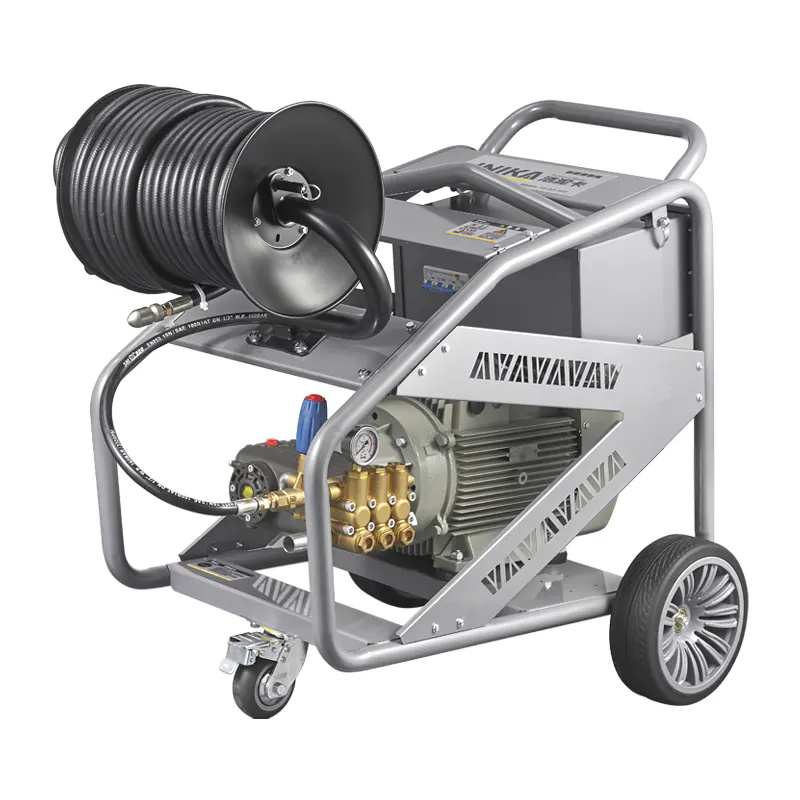
A deep analysis of how high-pressure fluid engineering solves distinct localized and regional industrial challenges across the globe.
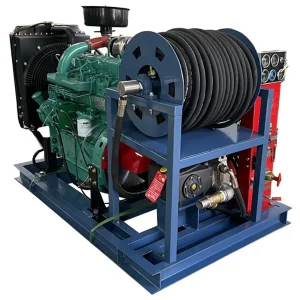
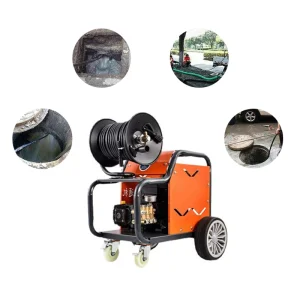
In North America, urban centers and expansive hydrocarbon infrastructure require severe duty cycle machinery. Mobile, diesel-powered high-pressure jetting units are widely deployed for municipal stormwater system rehabilitation. High-volume, high-pressure jetting cleans scale, biological growth, and structural silt out of pipeline systems without the need for trenching, reducing regional traffic interruptions and maximizing environmental protection.
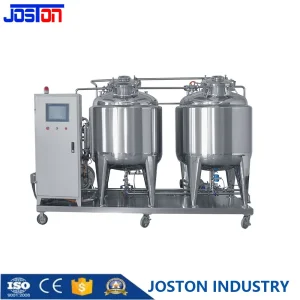
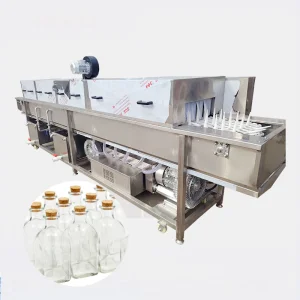
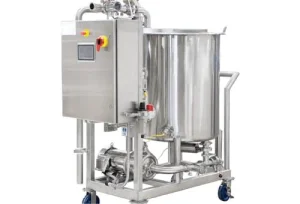
Under strict EU environmental regulations (such as REACH and waste-water directive norms), European manufacturers focus heavily on chemical-free sanitization loops. The integration of 304 and 316L stainless steel Clean-In-Place (CIP) systems in dairy, beverage, and pharma manufacturing lines allows complete sanitization using hot water and steam under pressure, with real-time PLC monitoring of cleaning solution concentrations.
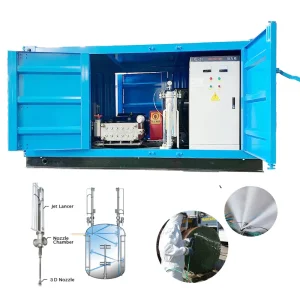
In the coastal hubs and heavy mining provinces of the Asia-Pacific region and South America, maritime vessels and earthmoving equipment suffer from constant salt corrosion and heavy surface scale build-up. Ultra-high pressure (UHP) jet cleaners operating up to 1650 bar remove marine growth and rust coatings cleanly, preparing ship hulls for protective paint applications.
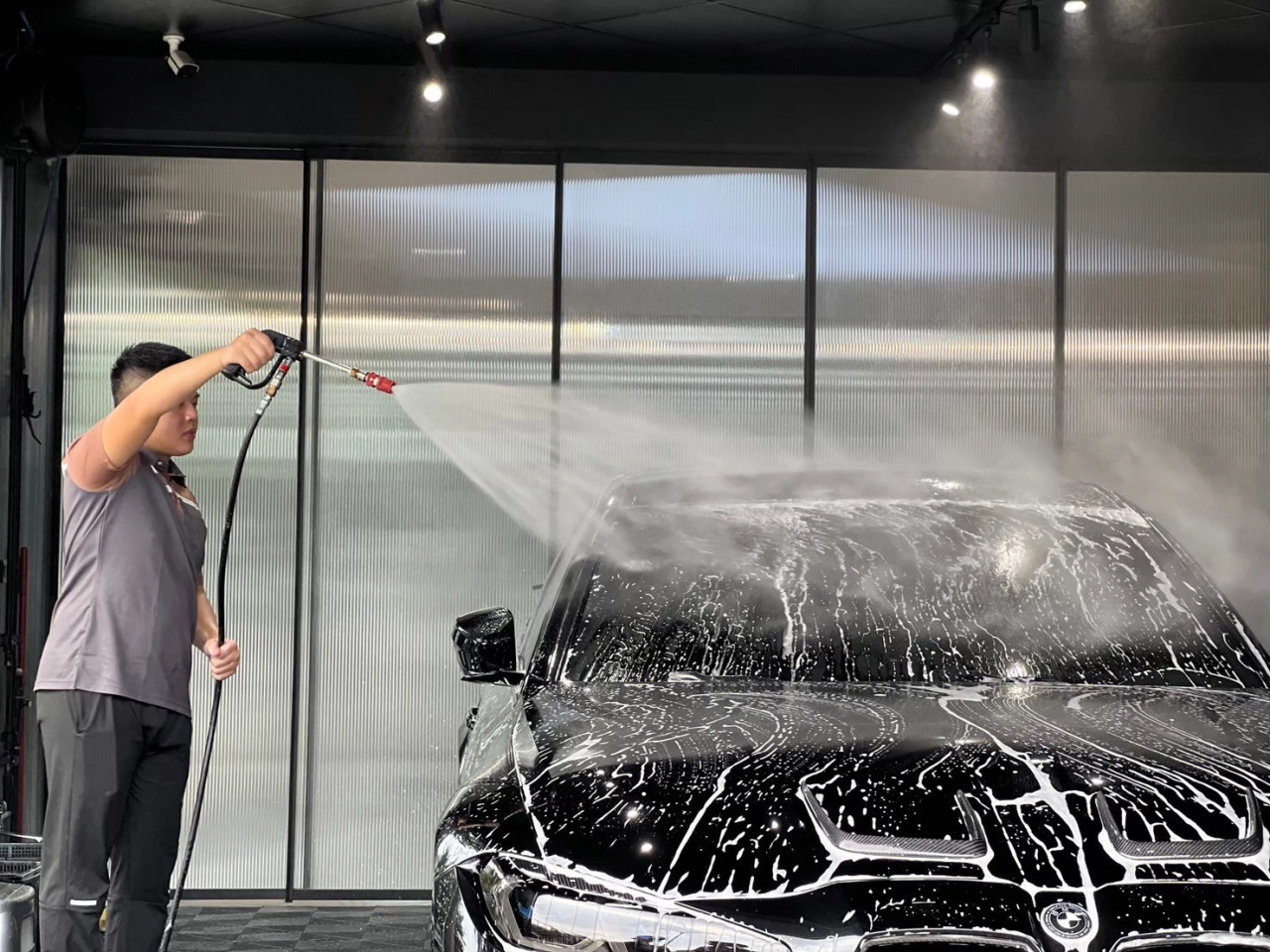
The development pipeline of high-pressure cleaning technology focuses on precision monitoring, zero-contact automation, and smart material integration.
How centralized manufacturing hubs like Foshan drive high-precision engineering, cost-efficiency, and rapid customization.
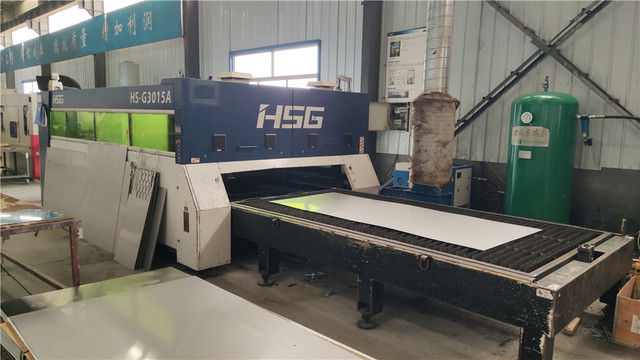
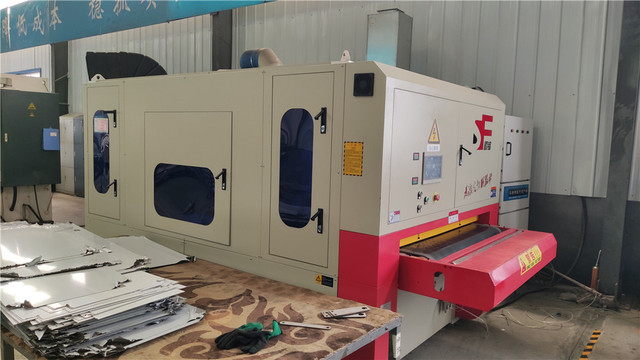
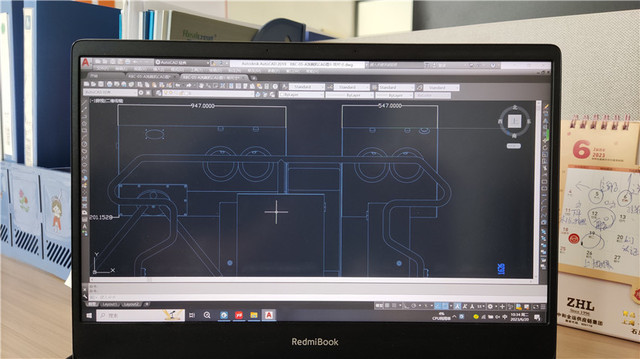
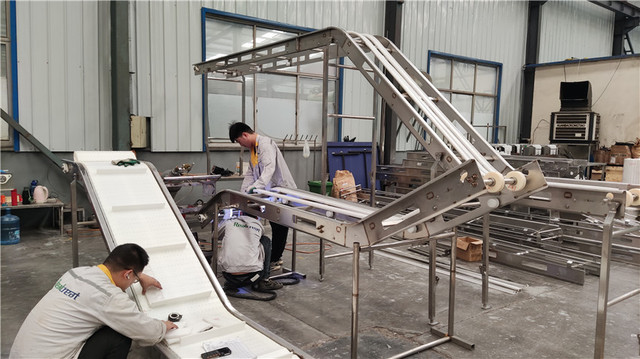
Operating out of Foshan, southern China's industrial center, suppliers leverage the local industrial ecosystem. Direct proximity to specialty steel mills, high-grade valve foundry networks, and advanced electric motor producers reduces lead times and manufacturing costs. By housing motor winding, pump block CNC machining, and quality assurance under one roof, production remains highly agile.
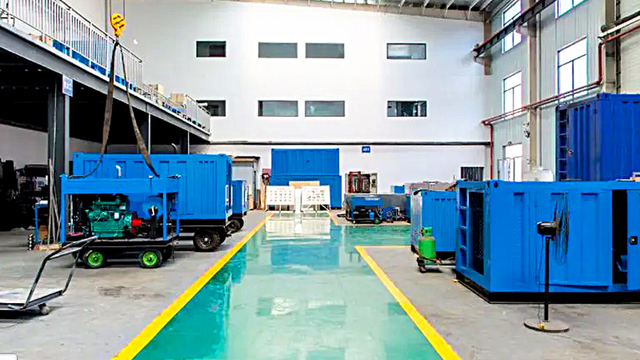
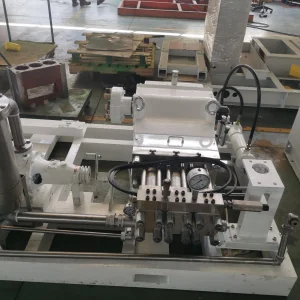
Modern assembly centers utilize multi-stage quality assurance systems. Dedicated, high-precision test stands test pump designs through simulated thermal fatigue and extended overpressurization runs. Checking tolerances to the micrometer ensures that every triplex pump leaving the plant maintains stable operation under heavy industrial demands.
Proximity to international shipping ports in Guangzhou, Shenzhen, and Hong Kong guarantees smooth, direct container logistics. Backed by modular packing designs and reliable freight forwarding networks, suppliers can export high-pressure wash systems worldwide with rapid shipping routes to European and American markets.
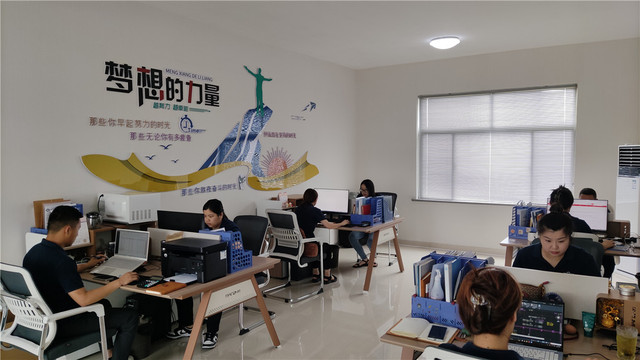
Foshan Dulles Equipment Co., Ltd. has more than 30 years of experience in the research, design, and manufacturing of mechanical cleaning systems, making it one of the earliest companies to specialize in pressure washer technology.
As global market demand for clean, environmentally friendly machinery increases year by year, we have accelerated our R&D work to deliver multi-aspect cleaning and environmental solutions. Since developing our first general home pressure washer in 1995, we have continuously expanded our catalog to meet the needs of the commercial and industrial markets. Today, our product range includes commercial and industrial pressure washers, explosion-proof high-pressure cleaning machines, sewer machine drain cleaners, fog making machines, electric sewer cleaners, gasoline dredge cleaning machines, and intelligent fog making units.
Our products are widely applied in industrial and chemical production, shipyard rust removal, municipal bridge engineering, mine and road dust suppression, street cleaning, urban pipe dredging, and mobile car washing stations. The entire series has obtained 3C, CE, and ISO certificates, as well as design pattern certificates for pressure washers, high-pressure pumps, and fog making systems. Dulles products are well-received across the market for their fashionable designs, cost-effectiveness, high-level safety, and stable performance, allowing us to expand from South and East Asia into European and American markets.
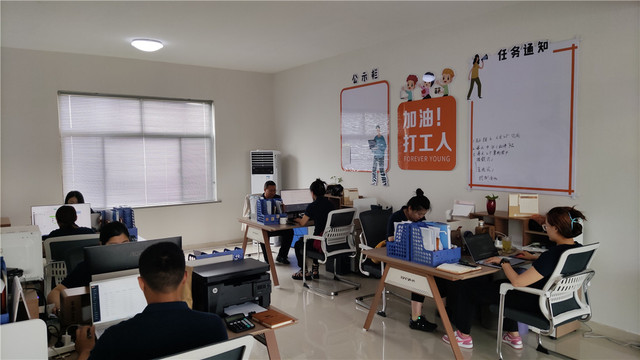
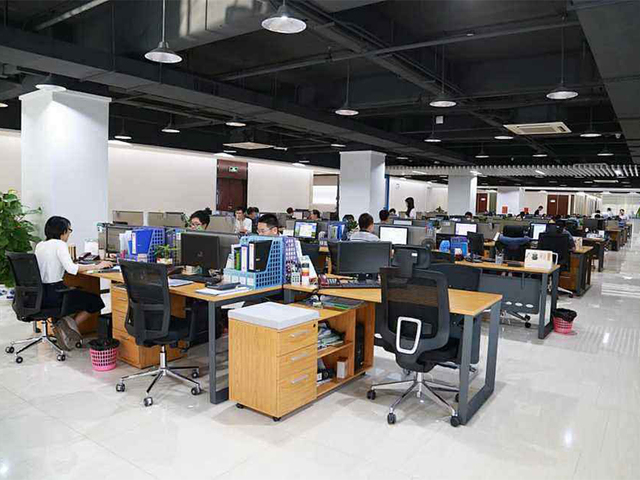
We operate a self-built laboratory, automated assembly lines, and high-precision testing equipment to ensure the safety, long service life, and stable quality of every finished unit. Our professional team provides 7×24-hour pre-sales, sales, and after-sales support to respond quickly to every inquiry with professional technical recommendations. We collaborate with globally recognized R&D institutions both at home and abroad to continue delivering innovative cleaning and environmental protection products, growing alongside our worldwide partners to build a reliable global brand.
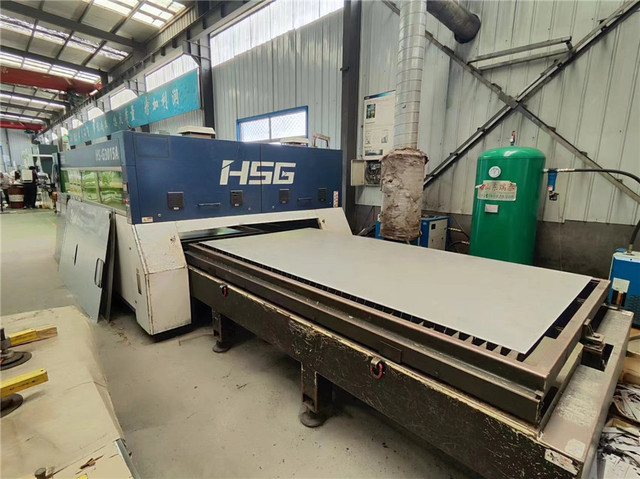
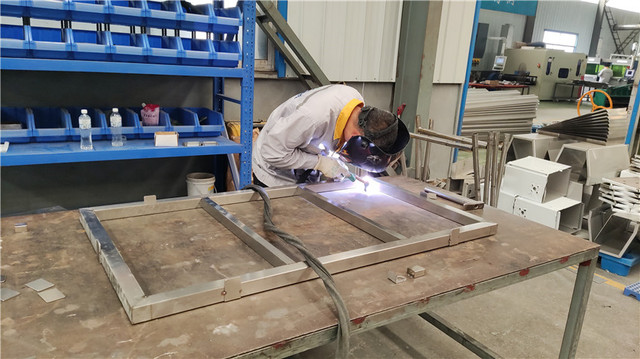
Operating high-pressure systems in complex industrial environments requires strict adherence to safety certifications and regulatory standards.
Our high-pressure equipment is designed to comply with international regulations, including ATEX certification for explosion-proof safety in hazardous chemical environments, and CE and 3C standards for electric motor protection. These certifications ensure safe operational integration on petrochemical docks, in mine shafts, and in food processing plants.
To prevent downtime, our technical support framework operates 7x24 to provide pre-sales engineering consulting, virtual pump diagnostic assistance, and rapid spare-part shipping. Having global distribution channels allows us to quickly supply high-pressure valves, plungers, and seal kits, ensuring operations remain up and running.
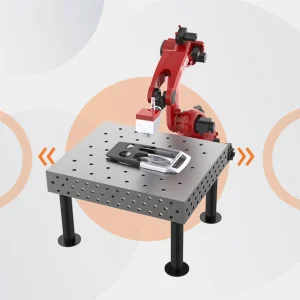
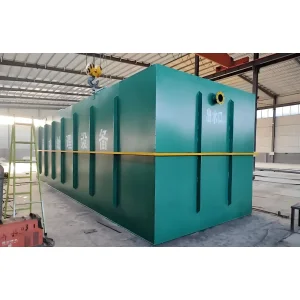
Explore our advanced collection of industrial water jetting, laser restoration, and wastewater treatment equipment.
Detailed technical answers addressing common procurement, maintenance, and operating questions from industrial buyers.
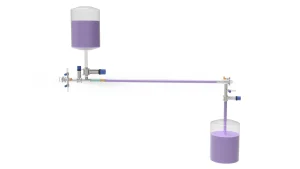
Pipeline pigging systems utilize physical plugs ("pigs") propelled through the line by gas or liquid pressure to recover remaining product and clear debris. This is highly effective for product recovery in viscous fluid processing (such as food pastes or paints).
In contrast, Clean-In-Place (CIP) systems sanitize line interiors using high-velocity, turbulent chemical washes and high-temperature water loops directly through the pipelines without disassembly. Both systems are often used in tandem for optimal sanitation and chemical reduction.
Triplex plunger pumps utilize three solid ceramic or stainless steel plungers offset by 120 degrees on the crankshaft. This layout minimizes pressure pulsations and mechanical stress, leading to a smoother flow output.
Unlike axial pumps, where pistons rotate with a swashplate, triplex plunger pumps experience less internal friction and run much cooler. This makes them ideal for demanding commercial applications that require continuous duty cycles.
Laser cleaning relies on high-energy, non-contact pulse ablation to vaporize surface oxide layers, rust, and oil coatings. This process produces no secondary waste streams and avoids surface erosion, making it well-suited for precision tooling, micro-machined parts, and delicate historic stone restoration.
High-pressure water jetting, conversely, utilizes kinetic energy from high-velocity water streams to shear off contaminants. This method remains the preferred choice for bulk scale removal, sewer pipe clearing, and tank washing due to its lower cost per unit area and high efficiency.
High-pressure jet washers operating in explosive environments (such as chemical processing plants or underground mines) must feature explosion-proof enclosures. In Europe, these systems require ATEX certification, while internationally they conform to IECEx standards.
These specifications ensure that electric motors, control boxes, switches, and wiring harnesses are sealed to prevent sparks from igniting surrounding vapors or dust. Additionally, the pumps must use spark-resistant materials, and the frames must be grounded to dissipate static charge buildup.
To maintain system reliability, operators should check pump and engine oil levels, clean the inlet water filter, and inspect the pressure relief valve before every shift.
A complete engine service—including replacing the fuel and air filters and changing the engine oil—should occur every 100 to 150 hours of operation. For the high-pressure pump, check and replace plunger packing seals and high-pressure valve seals every 500 operating hours to prevent internal bypass leaks and maintain system pressure.
 Dulles Equipment