Basic Information
Model NO.CHS10, CHS15, CHS20, CHS30
TypeSand Separator
MethodPhysical Treatment
UsageIndustrial, Agriculture
StyleCylinder
Voltage220V/380V/Customized
Transport PackageWooden Box
HS Code8441809000
Packaging & Delivery
Package Size350.00cm * 1350.00cm * 380.00cm
Package Gross Weight65.000kg
Technology Overview
⚙️
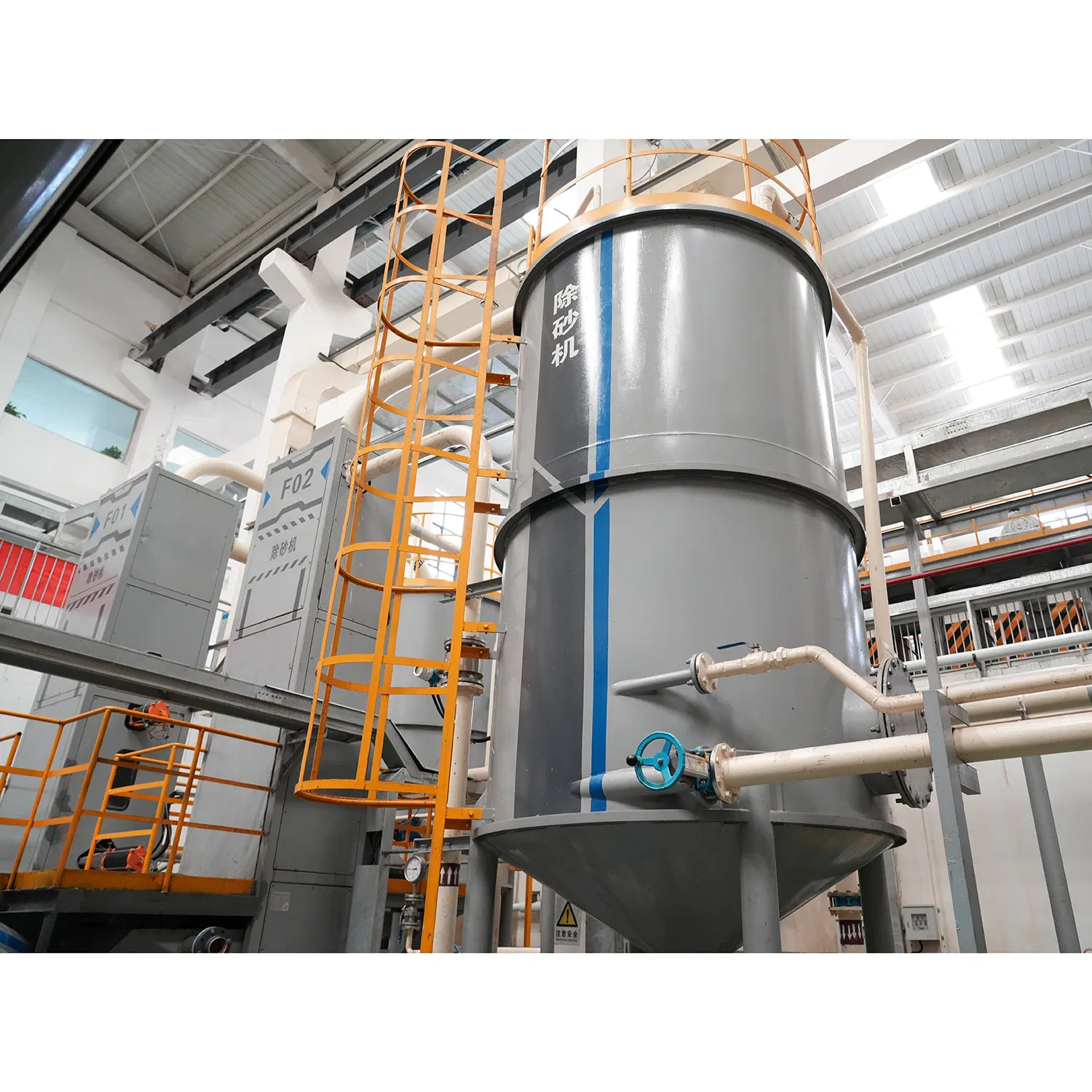
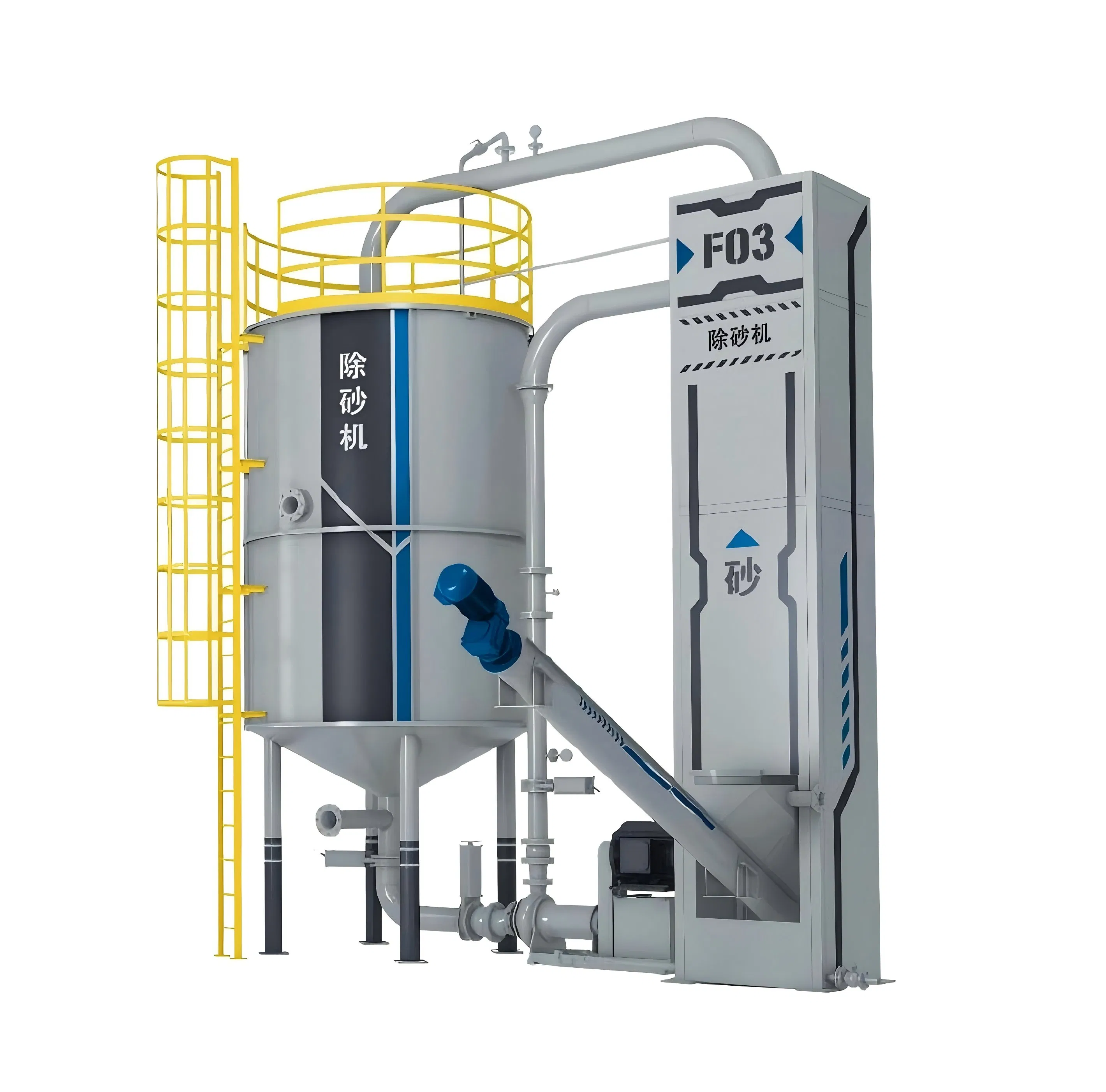
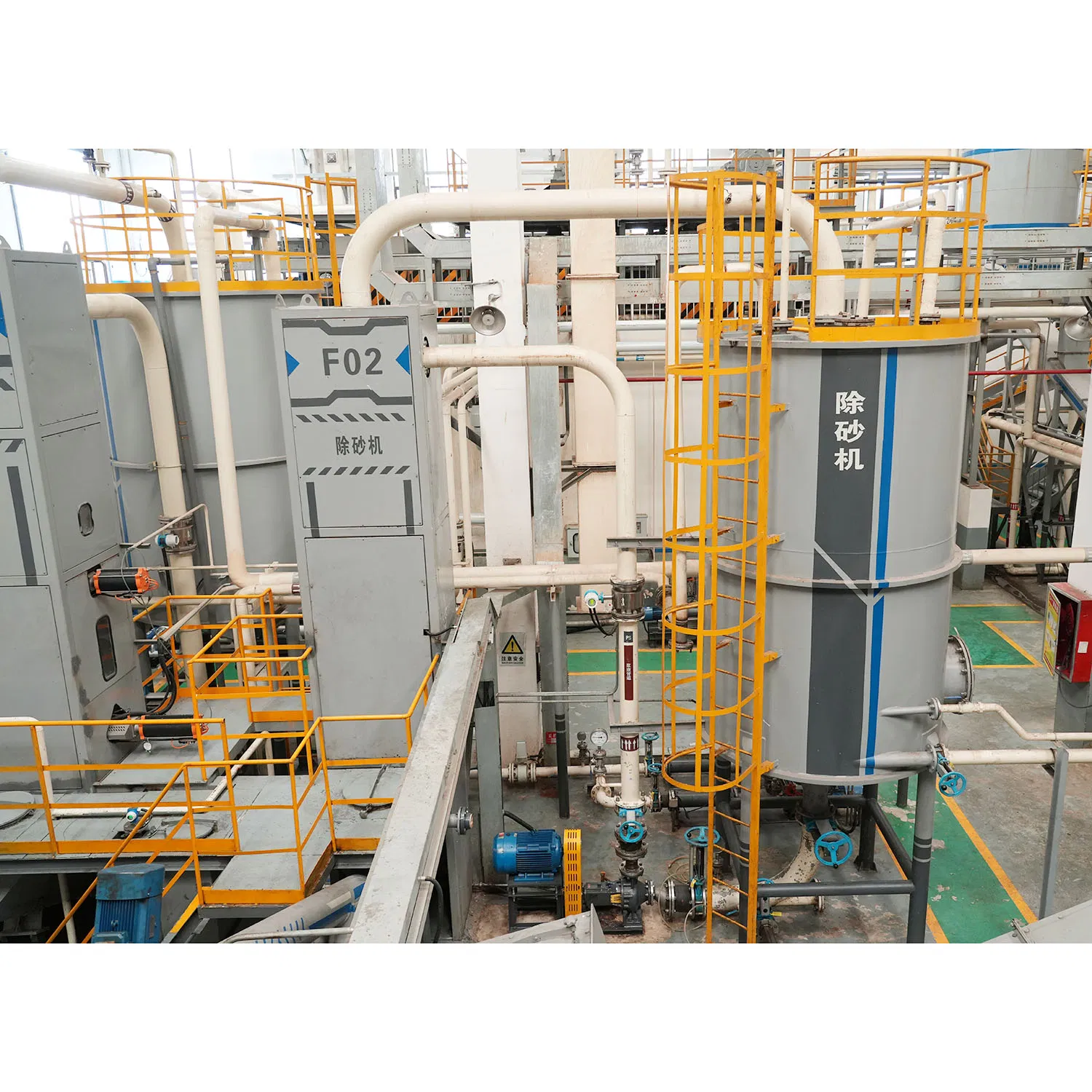
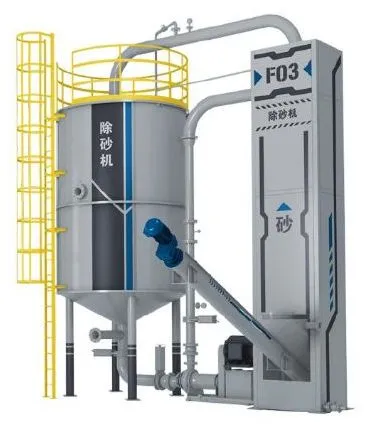
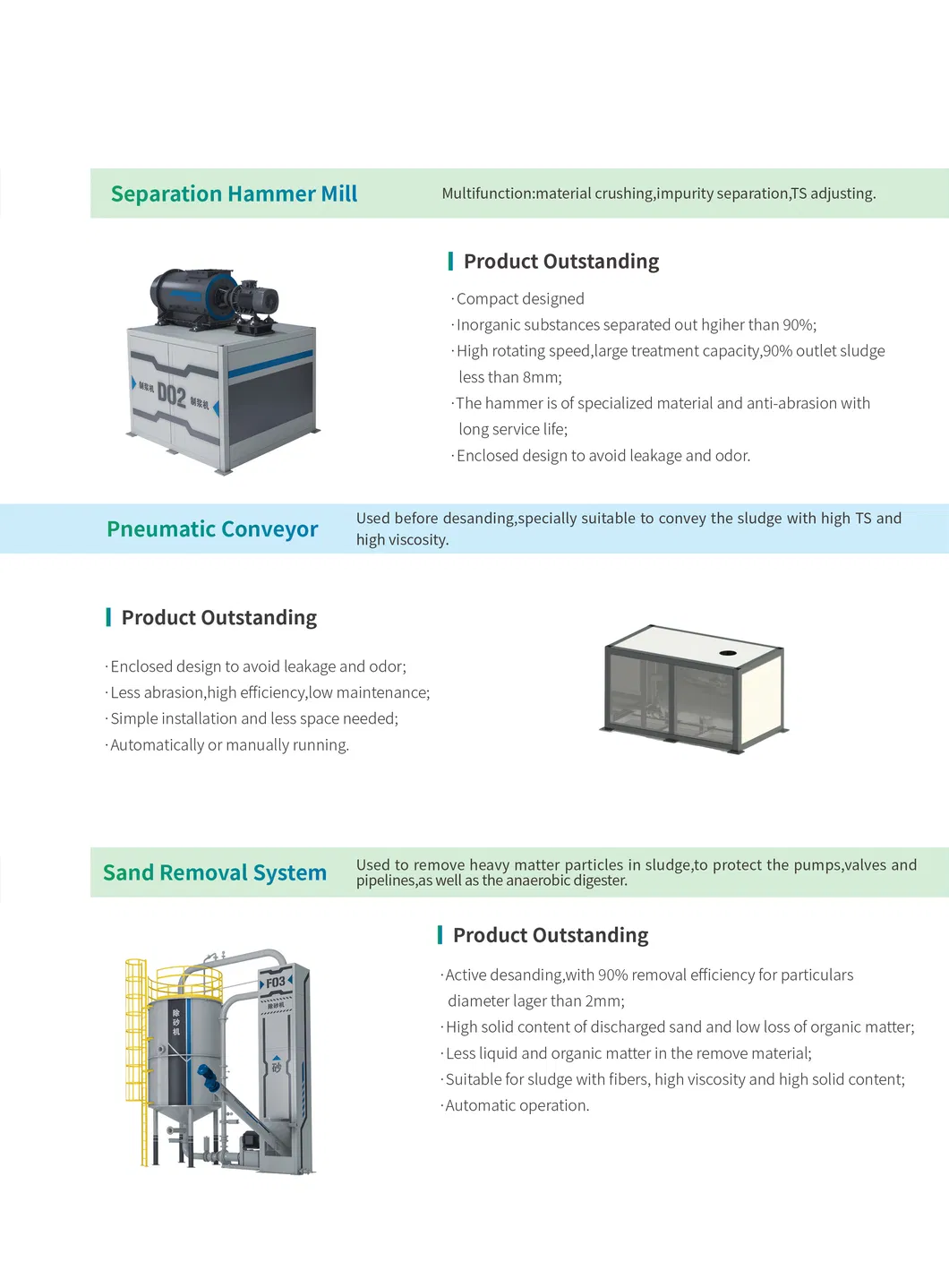
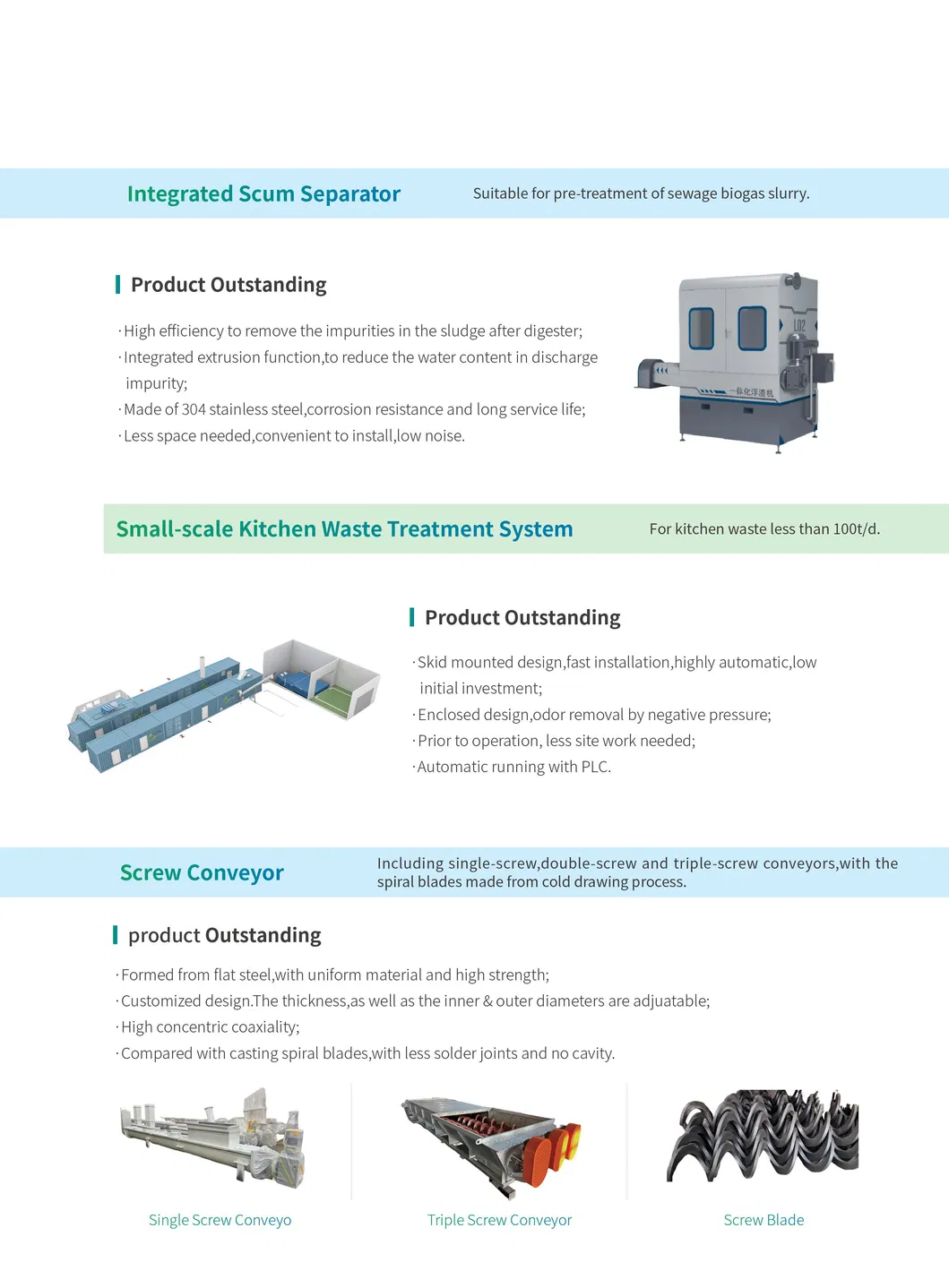
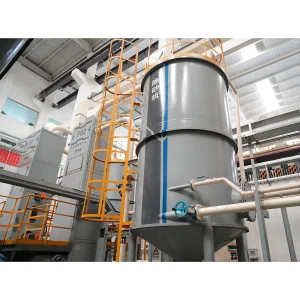
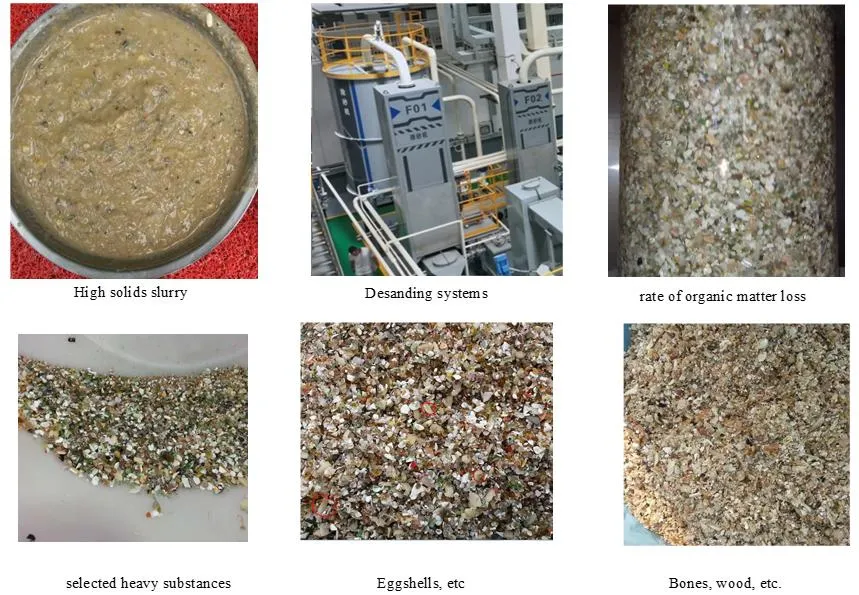
The main function of the sand removal system is to remove heavy particles in slurry of different solid contents, such as shells, glass, porcelain, sand, and metal. This system is widely utilized in the biogas industry to prevent accumulation in the digestor, protecting equipment like pumps and pipes from abrasion and extending the lifespan and safety of the tank layers.
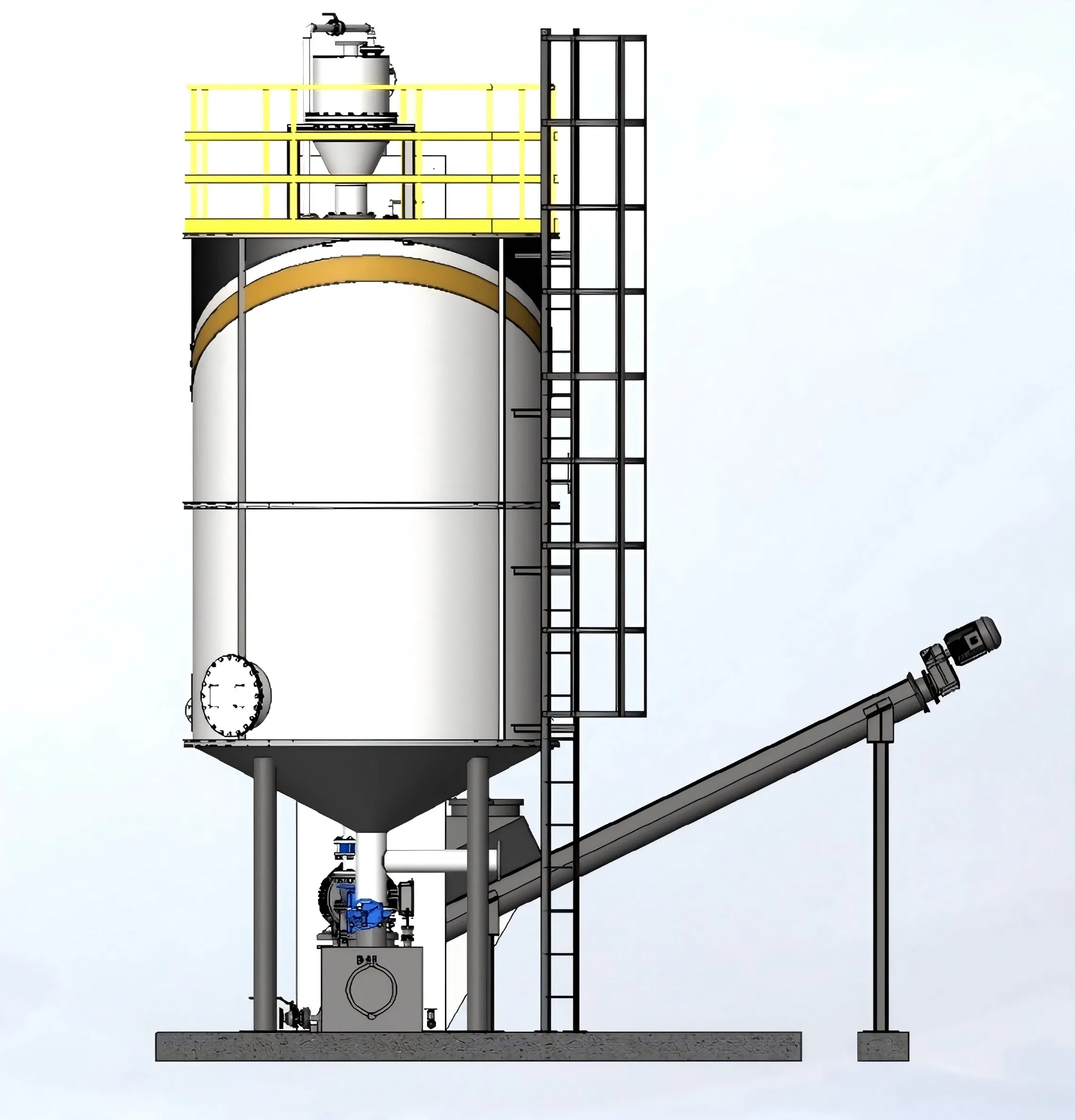
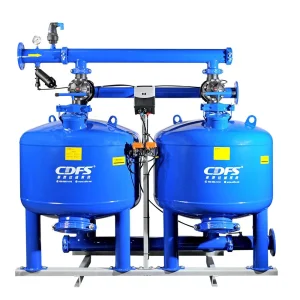
The sand removal system includes a hydro-cyclone, buffer tank, circulation pump, and supporting systems such as pipe valves and meters. It operates on the principle of a cyclone to separate heavy substances from slurry. Once collected, the separated sand is efficiently transferred by a screw mechanism.
Frequently Asked Questions
What materials can this system remove?
The system is designed to remove heavy particles such as sand, glass, porcelain, shells, and various metal fragments from slurry.
Why is sand removal critical for biogas plants?
Removing sand prevents sediment accumulation in the digester, which maintains effective tank volume and prevents premature wear on pumps, pipes, and anti-corrosion layers.
Can the system handle high-viscosity slurry?
Yes, the circulation pump is specifically designed to transport viscous materials with fibers and high solid content without clogging.
What is the maximum particle size the system can process?
The system is optimized for feed slurry with particle sizes of 10mm or less.
How does the flushing program benefit the operation?
The flushing program ensures the discharged heavy substances are cleaner, have lower moisture content, and significantly reduce the loss of valuable organic matter.
Are different processing capacities available?
Yes, we offer multiple models with processing capacities ranging from 10 m³/h to 30 m³/h to suit different industrial needs.
 Dulles Equipment