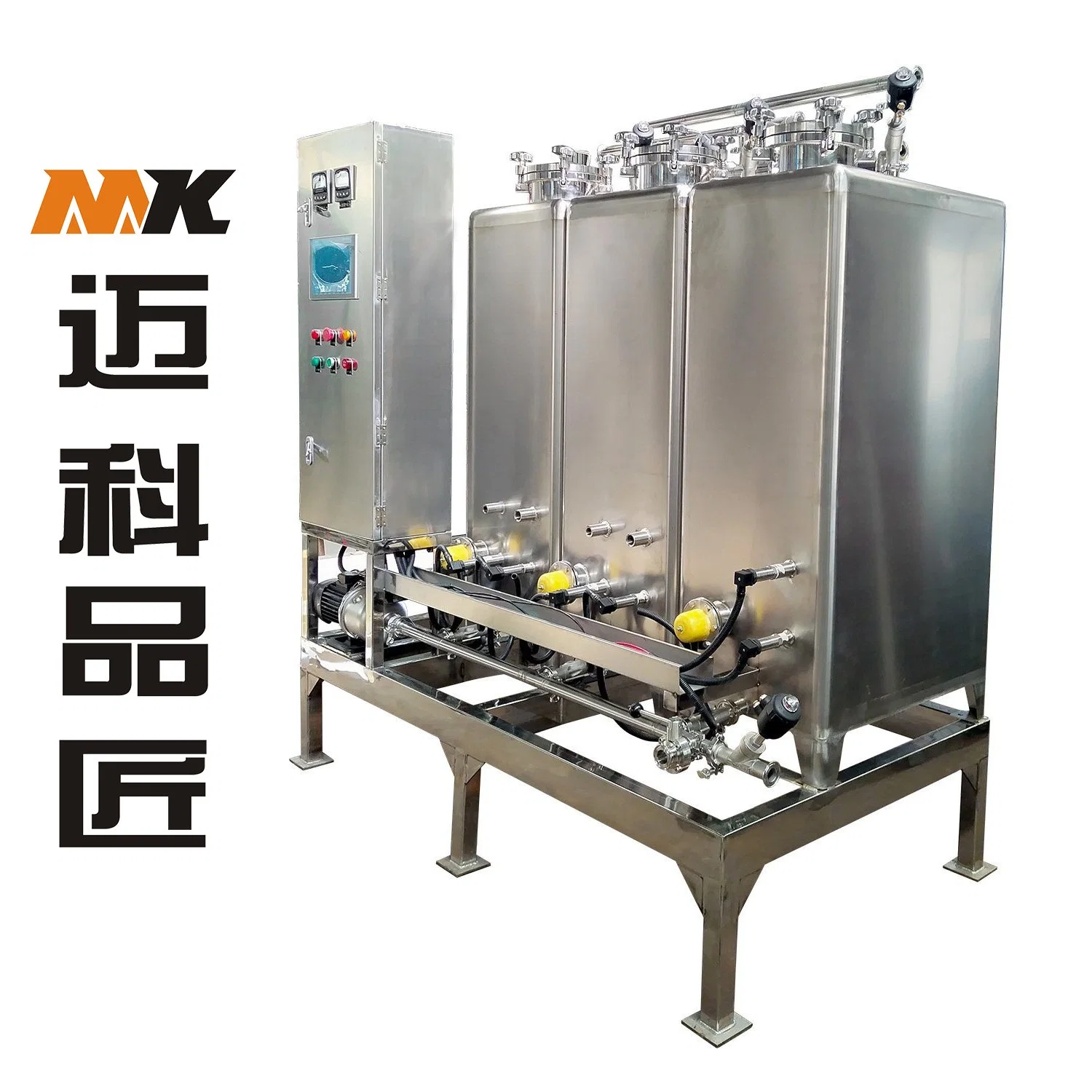
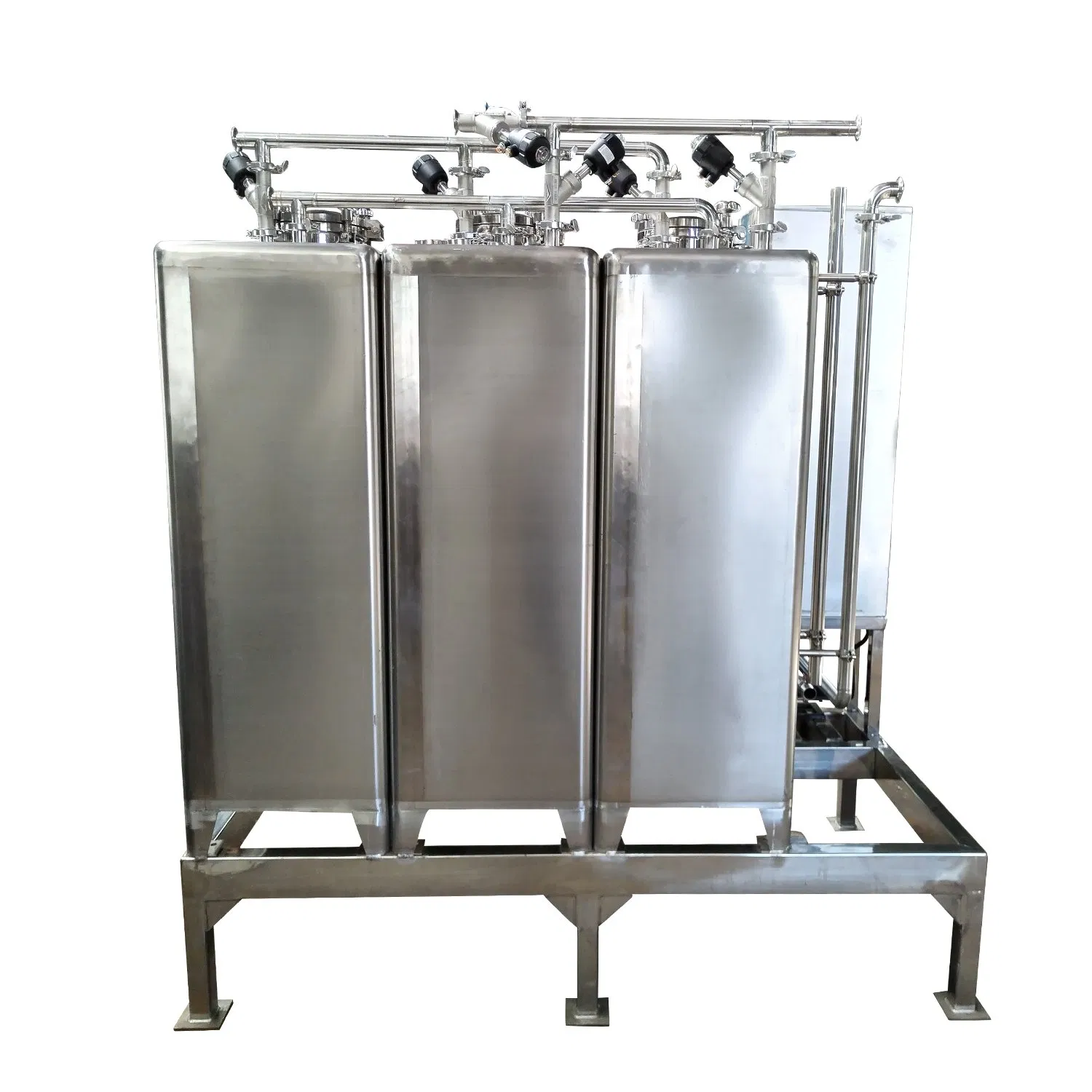
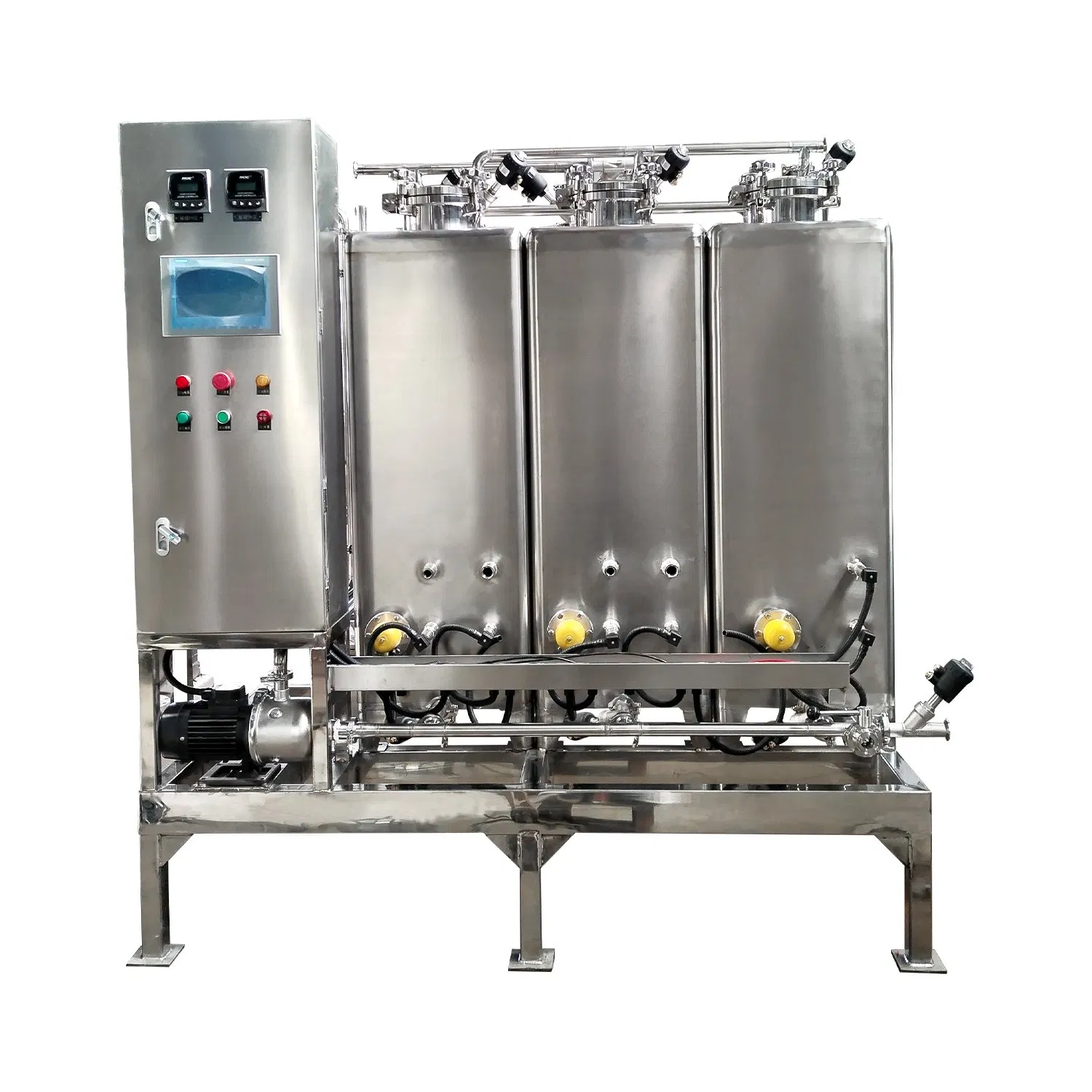
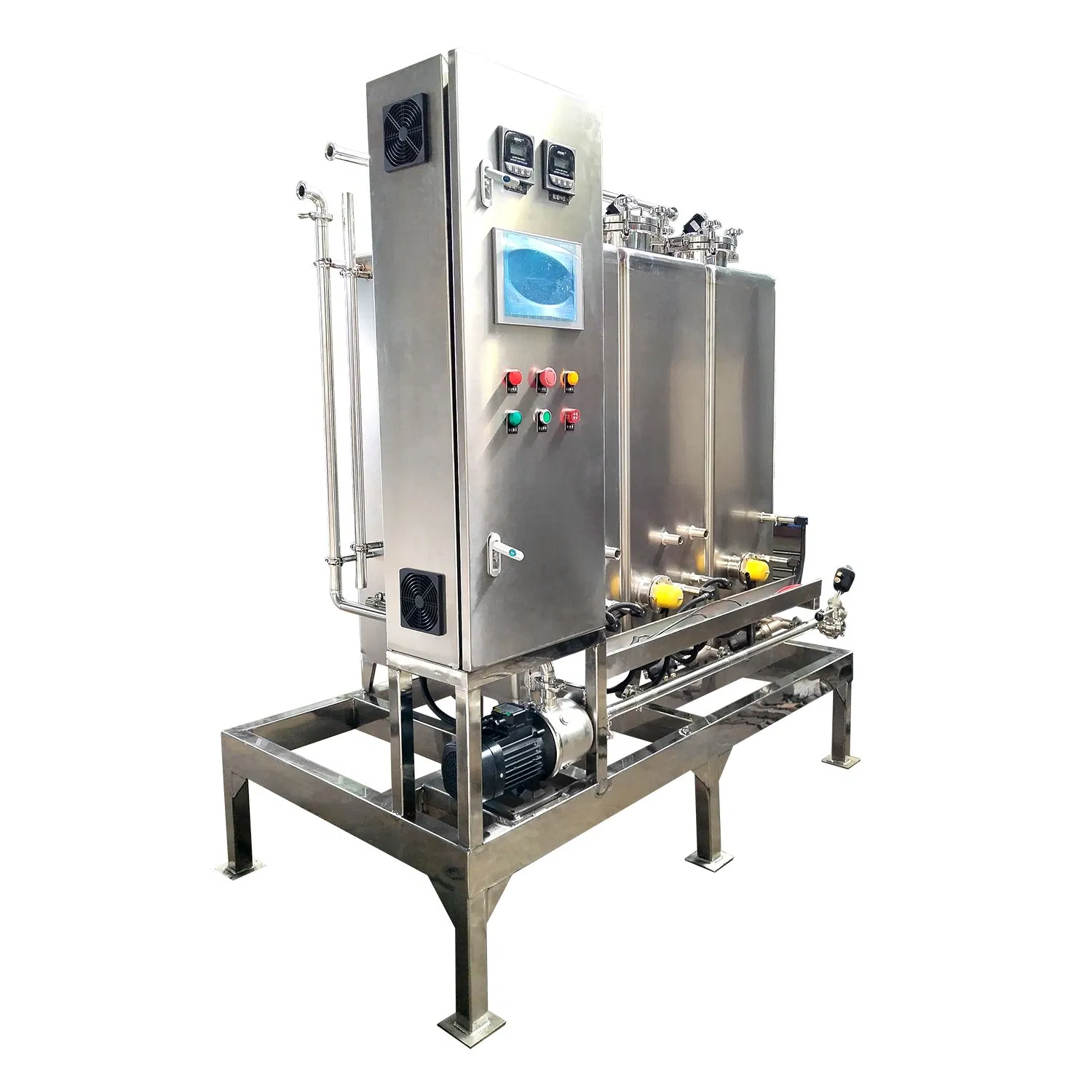
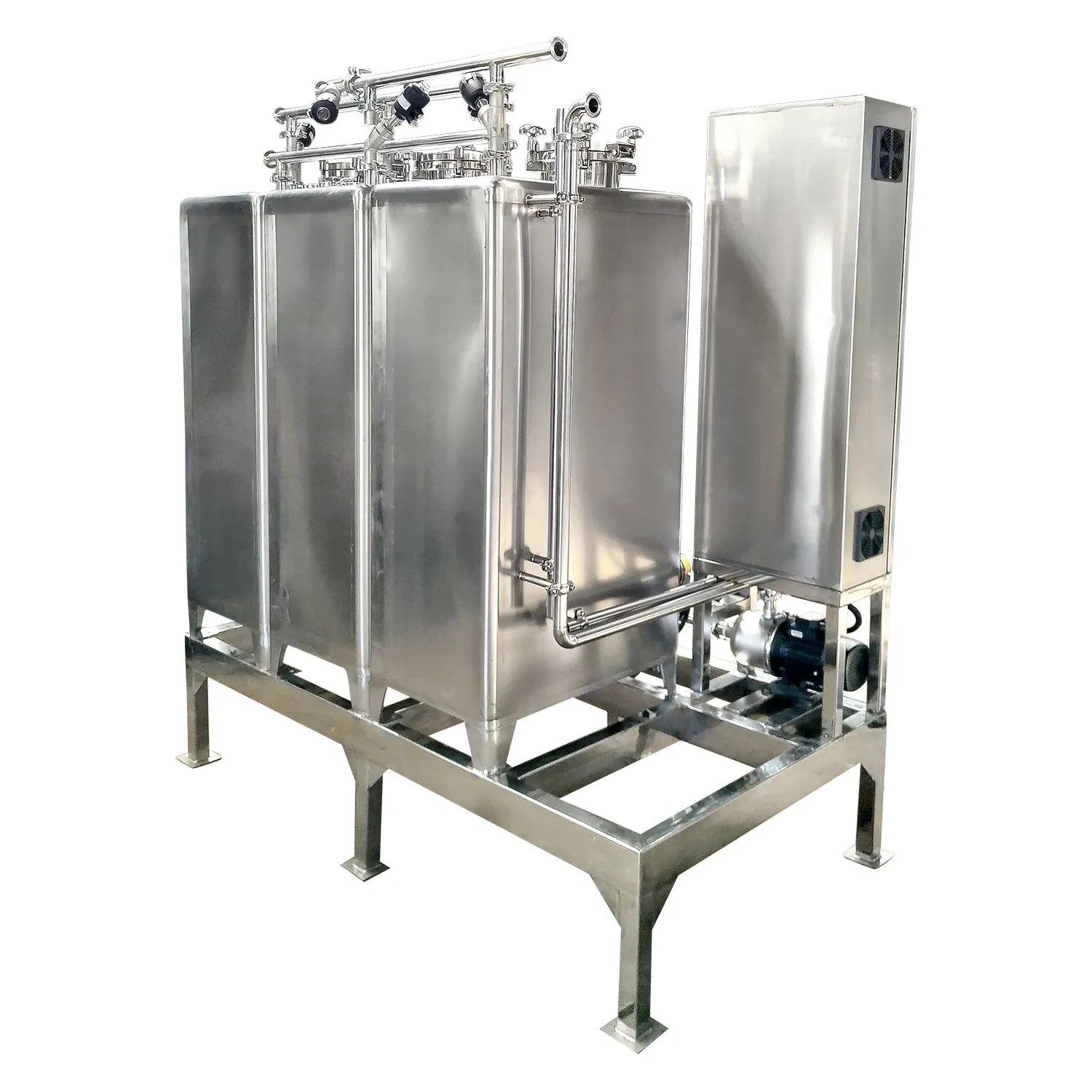
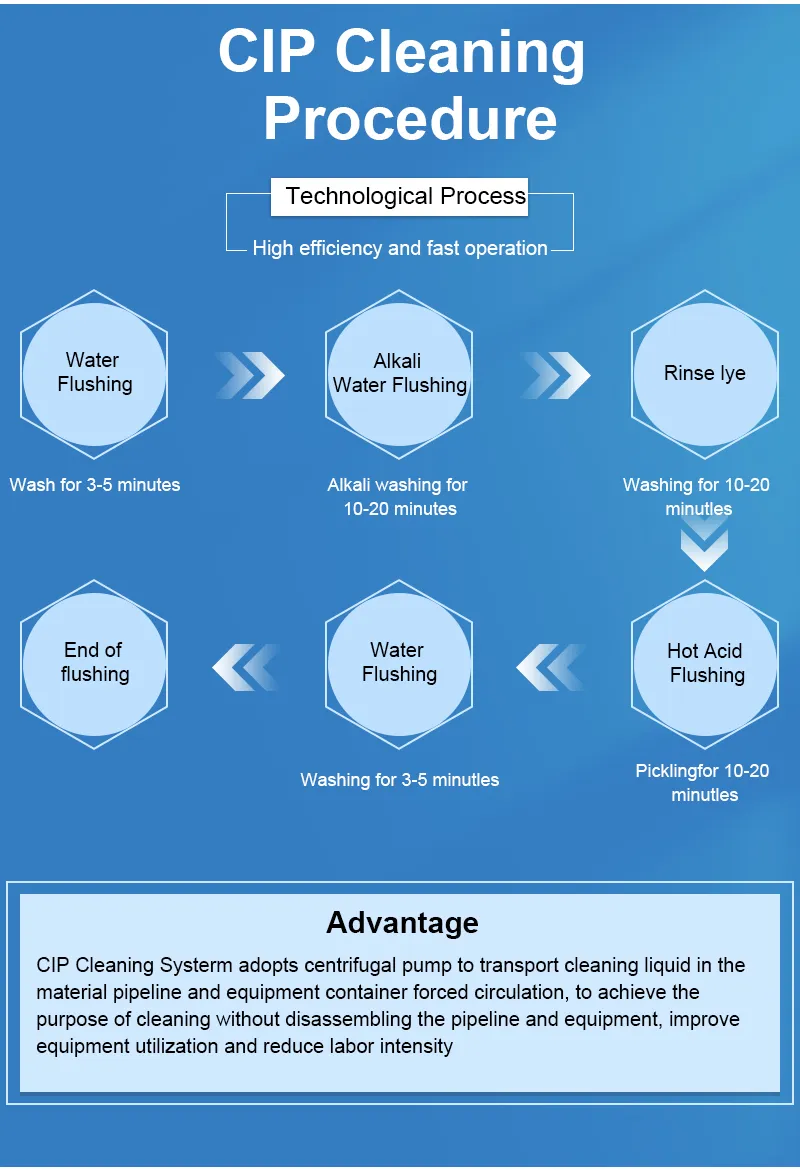
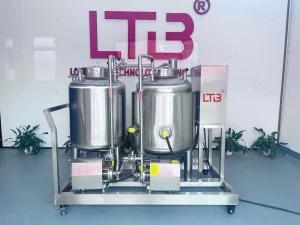
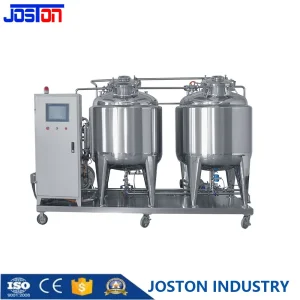
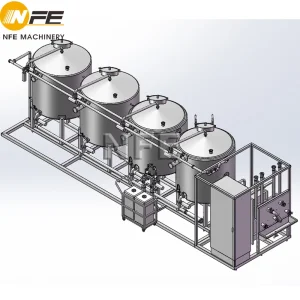
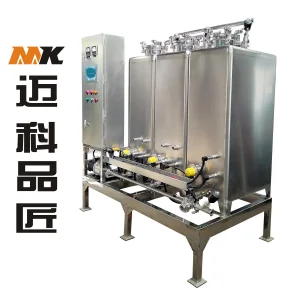
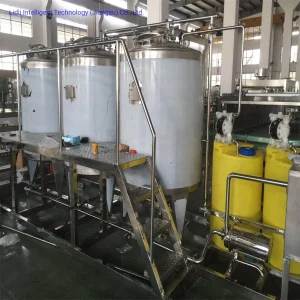
The CIP (Clean-In-Place) cleaning system is a specialized in-situ cleaning solution designed for food and beverage facilities. In dairy and food processing, equipment and pipelines often accumulate sediments that can compromise product quality if not cleaned thoroughly. The CIP system allows for circular cleaning and disinfection within a closed loop without the need for manual disassembly or opening of equipment.
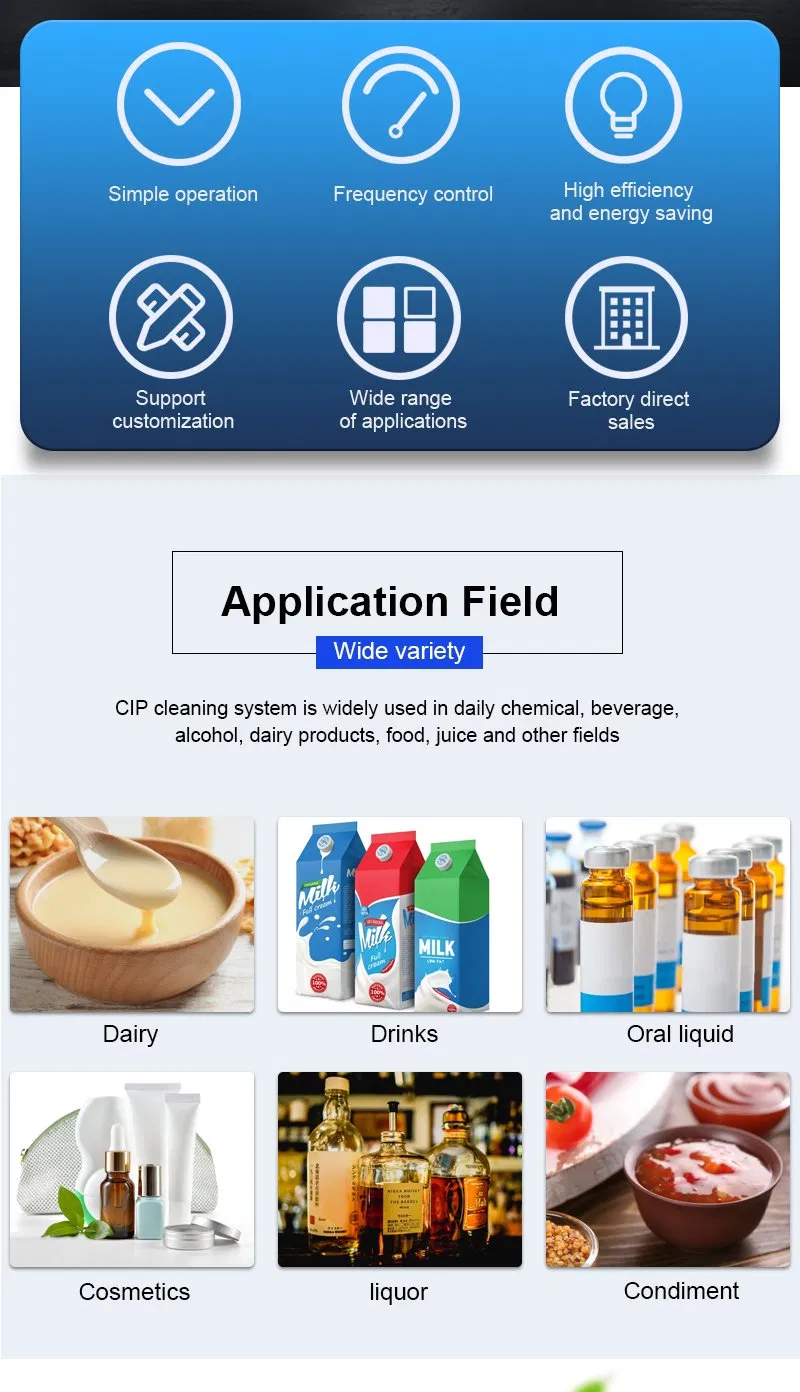
Key Benefit: Widely used in the dairy and food industries to achieve high levels of automation, ensuring hygiene standards are met efficiently.
Structure & Control Modes
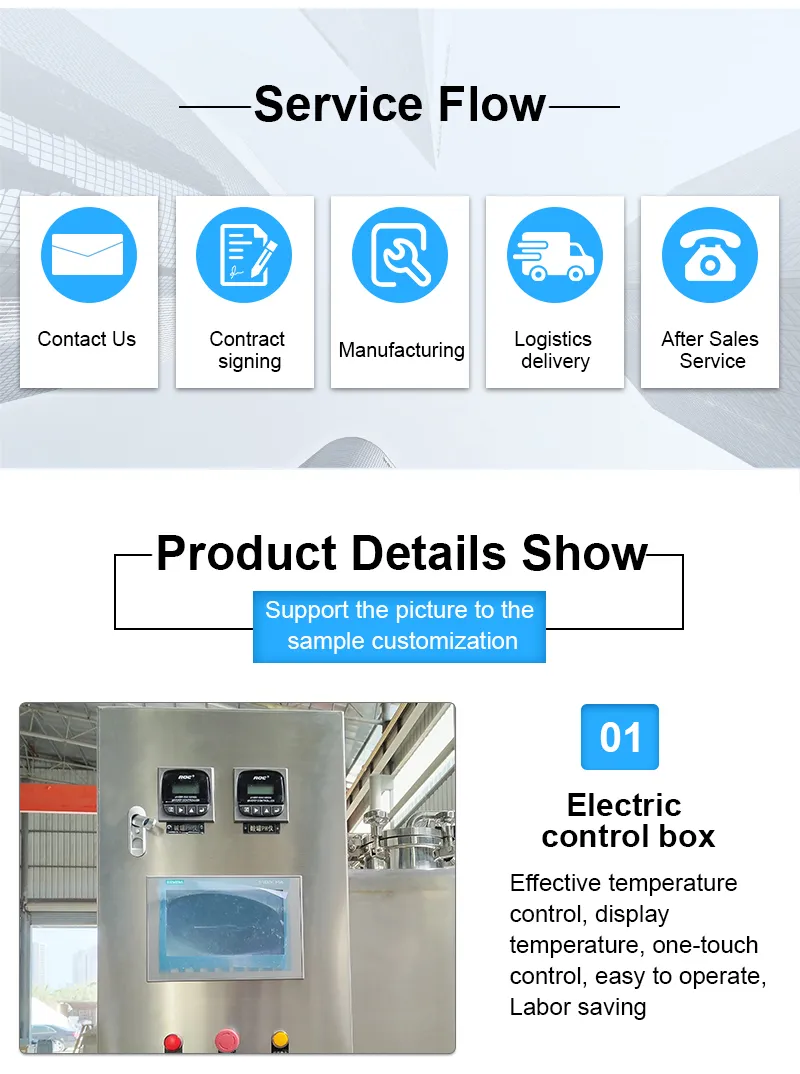
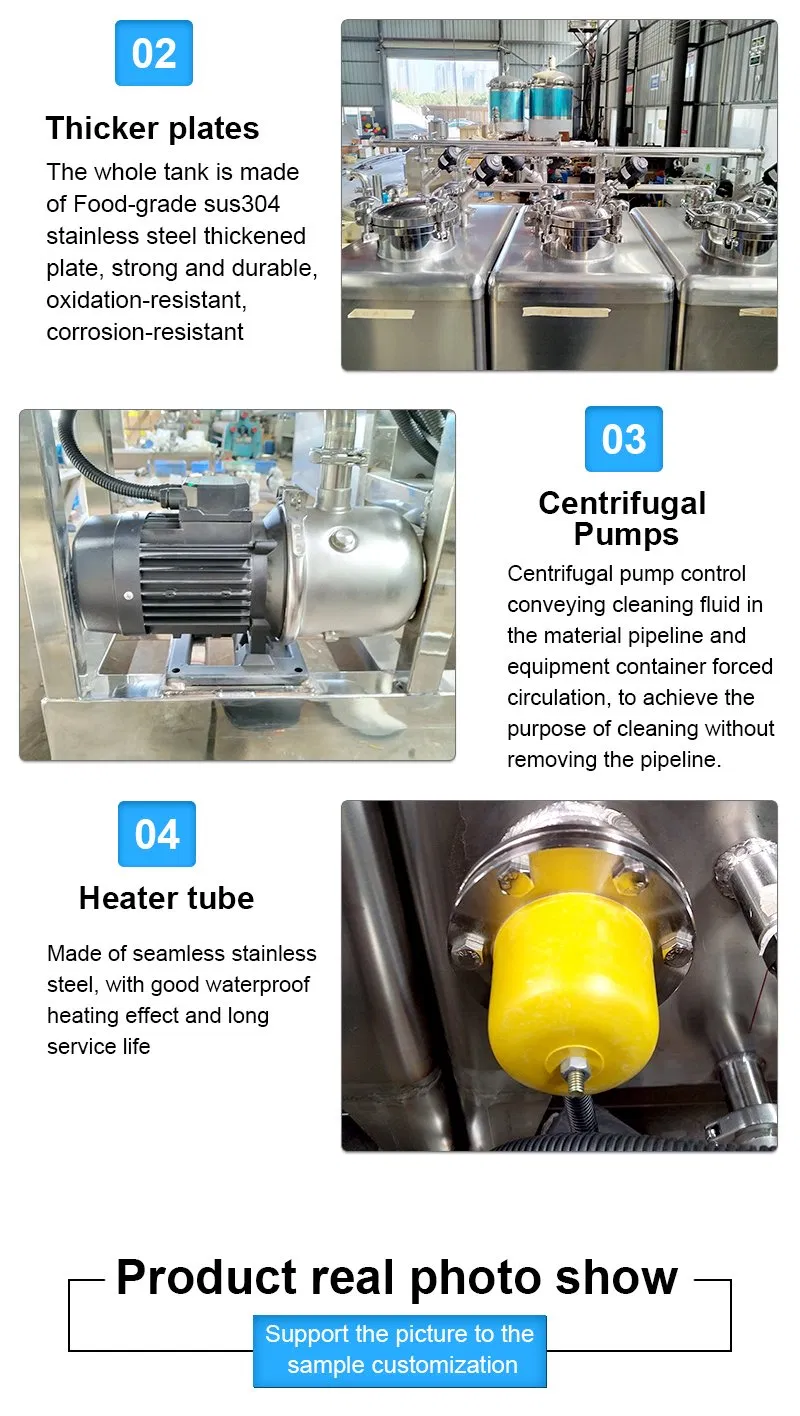
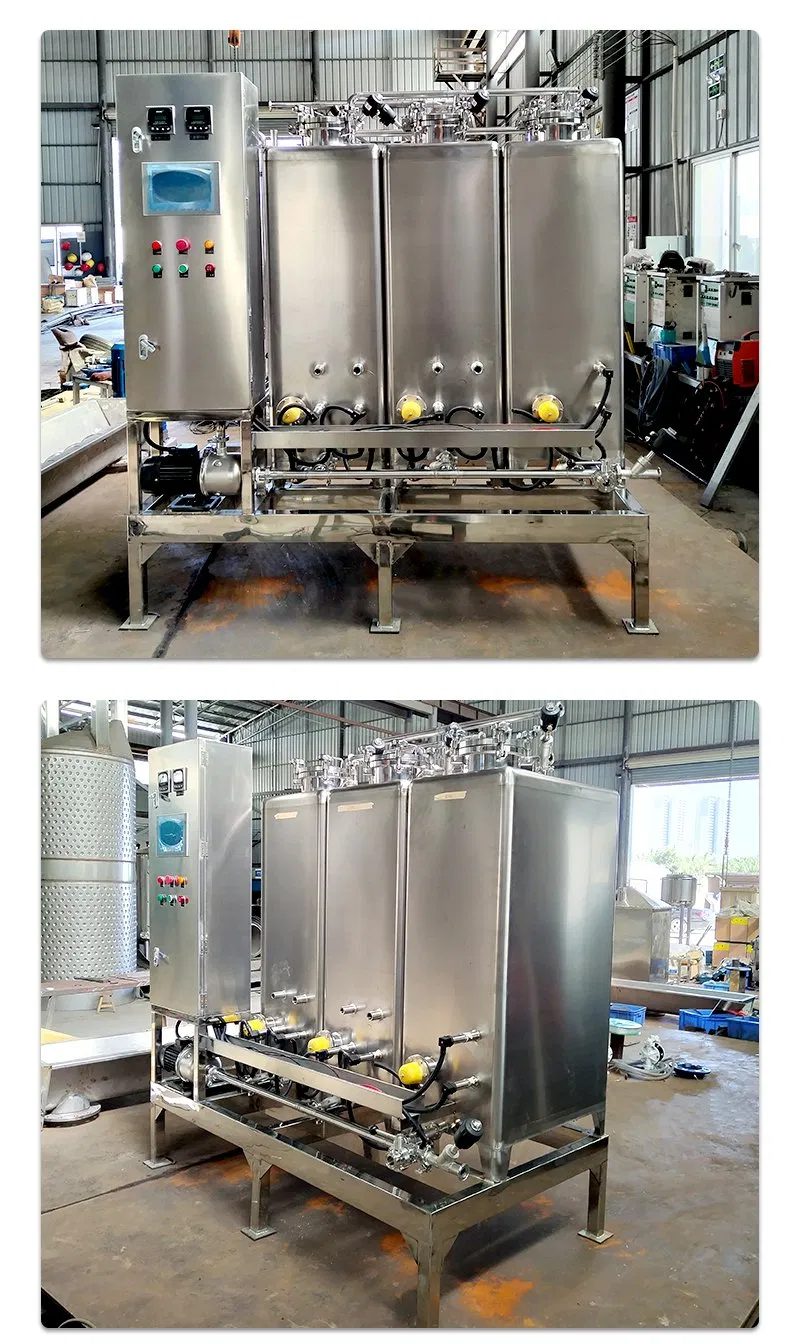
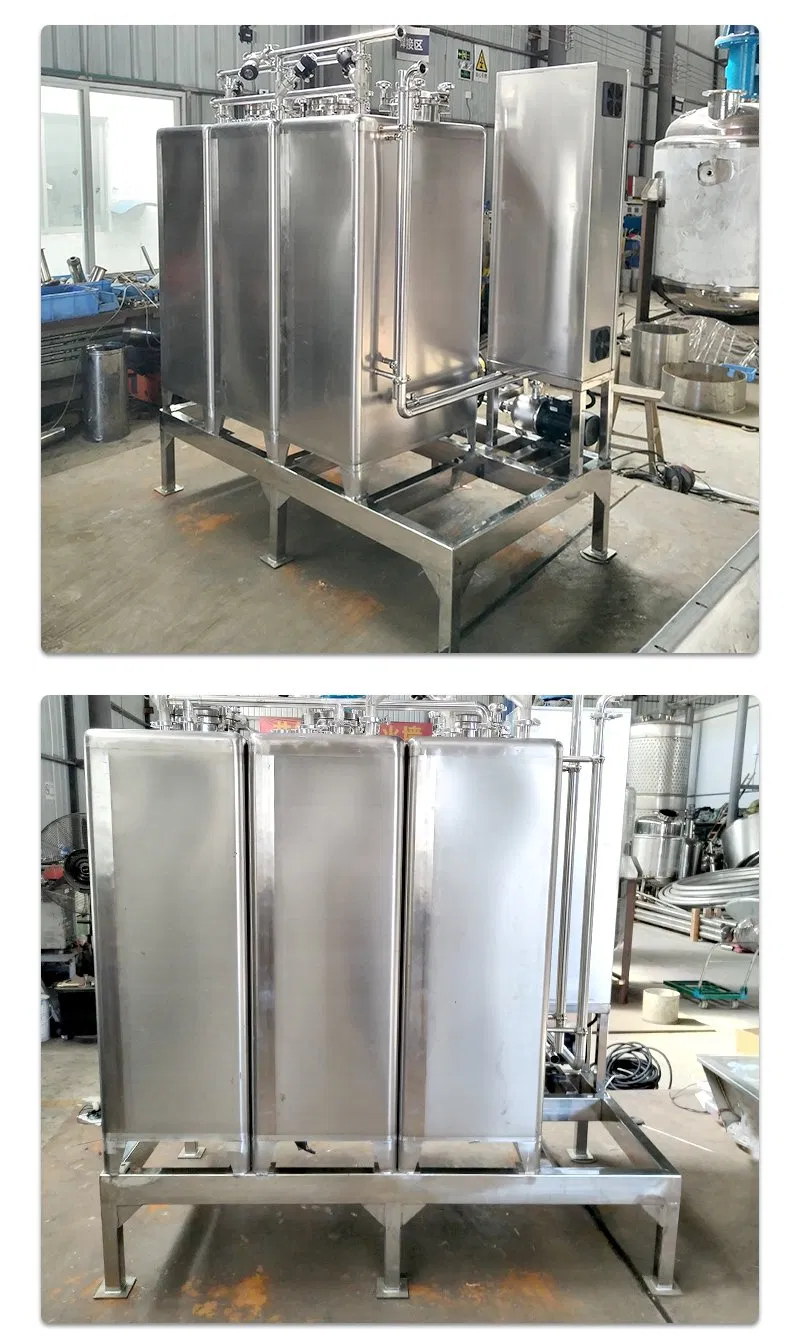
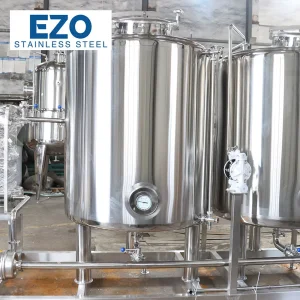
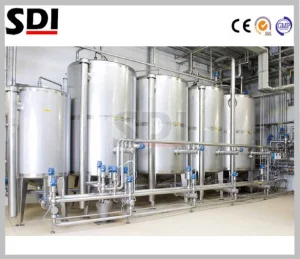
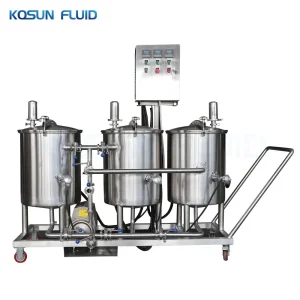
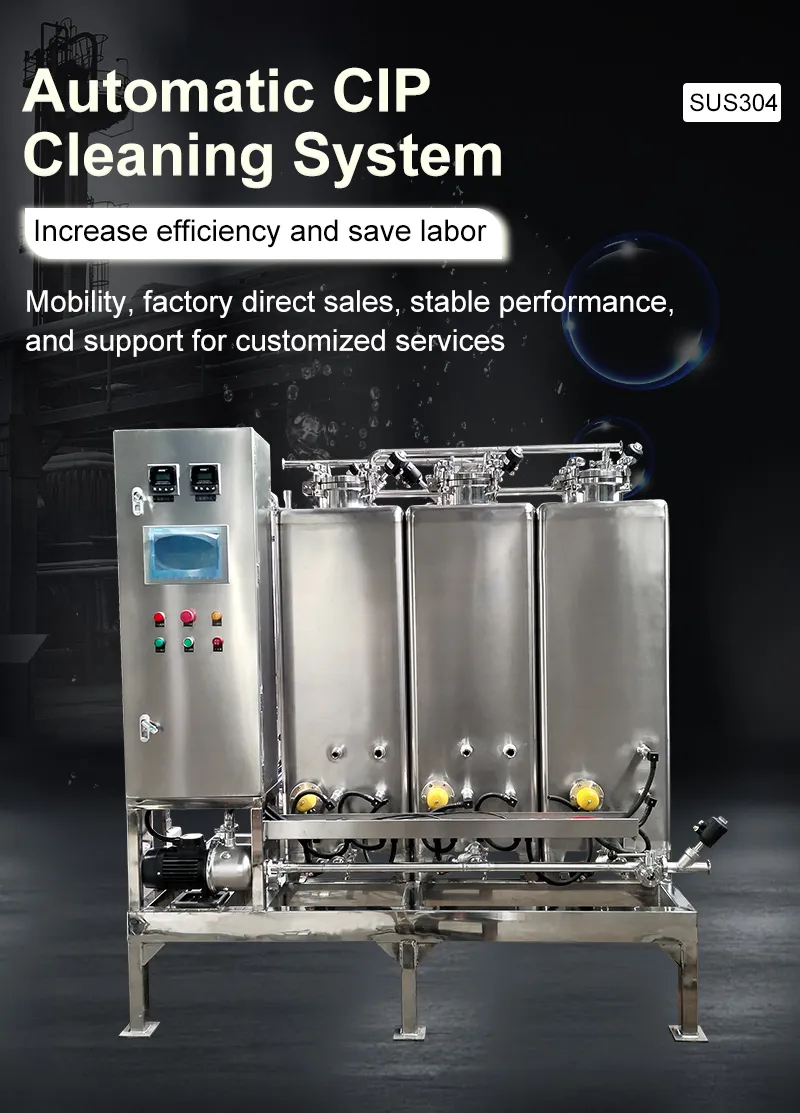
System Components: Consists of alkali tanks, acid tanks, hot water tanks, outlet pumps, specialized valves, cleaning nozzles, and integrated pipelines.
Control Options
Manual Control: Simple timing for pump opening and closing.
Semi-automatic Control: Monitoring and control of temperature and pH levels.
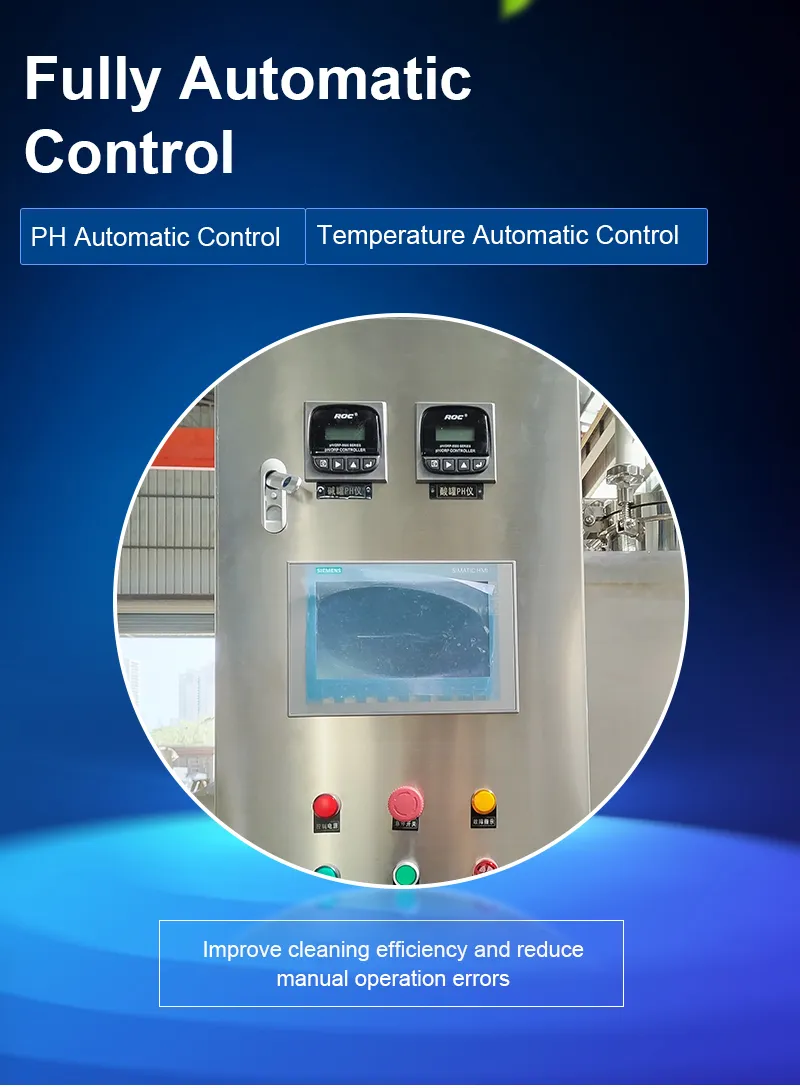
Fully Automatic Control: Comprehensive management of liquid levels, temperature, pH, and timed automation for all valves and pumps.
Technical Parameters
Type
MK-CIP-0.5
MK-CIP-1
MK-CIP-2
MK-CIP-3
MK-CIP-4
Acid Tank (L)
500
1000
2000
3000
4000
Alkali Tank (L)
500
1000
2000
3000
4000
Hot Water Tank (L)
500
1000
2000
3000
4000
Pump Flow (t/h)
10
10
20
20
30
Pump Head (m)
24
24
36
36
36
Pump Power (KW)
2.2
2.2
4
4
7.5
Note: These are standard parameters. Customized solutions are available based on specific requirements.
Equipment Display
Frequently Asked Questions
What does "CIP" stand for and why is it important?
CIP stands for Clean-In-Place. It is vital because it allows for thorough cleaning of the interior surfaces of pipes and vessels without disassembly, which is essential for maintaining hygiene in food and dairy production.
What materials are used in the construction of the tanks?
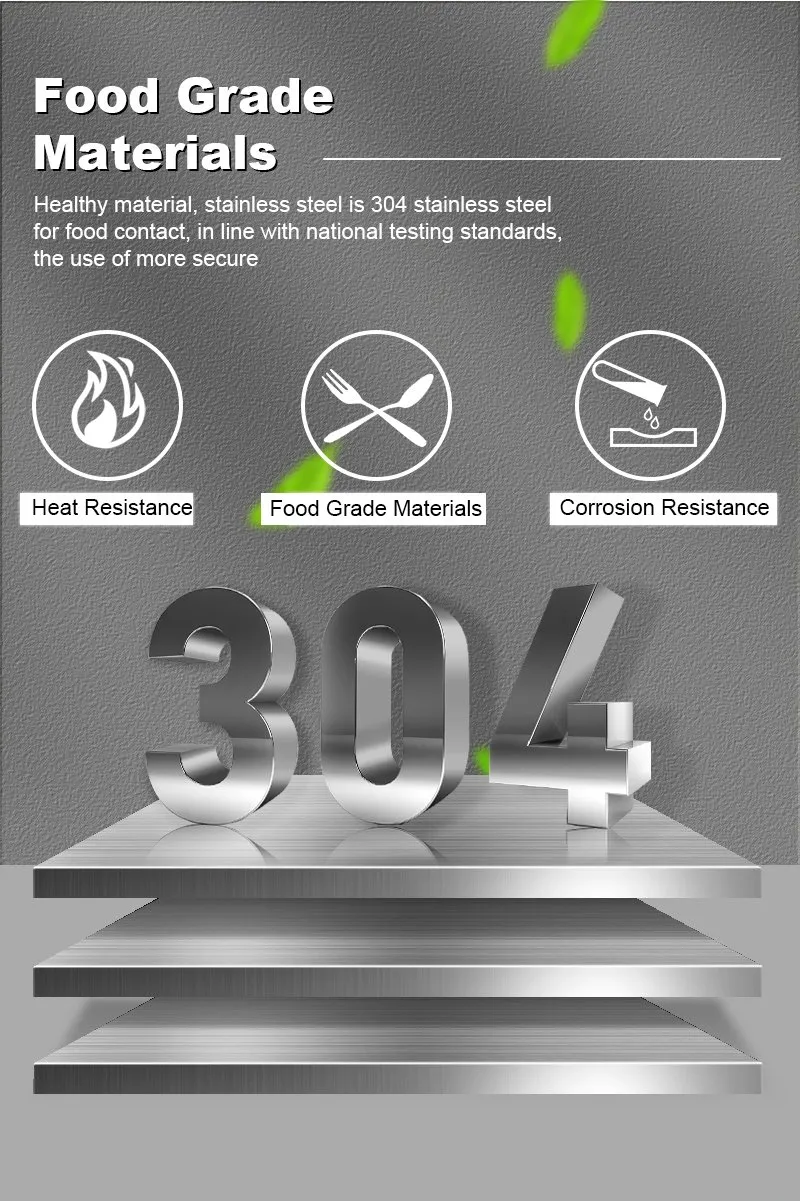
The system is primarily constructed using high-quality SUS304 stainless steel, which provides excellent corrosion resistance and meets food-grade safety standards.
Can the system be customized for different capacities?
Yes, we offer customized solutions based on customer needs, ranging from small 400L units to larger 4000L systems with various pump specifications.
What are the advantages of a fully automatic control mode?
Fully automatic control manages liquid levels, temperature, pH, and the timing of valves and pumps. This reduces labor costs and ensures consistent, repeatable cleaning results.
What heating methods are used for the cleaning solution?
This specific system utilizes electric heating to maintain the required temperatures for acid, alkali, and water tanks.
Is this system suitable for beer production lines?
Absolutely. The system is designed for a variety of beverage production lines, including beer, dairy, and juice, ensuring all pipelines and tanks are sanitized.